


Snack Right Super Foods Inc., which operates as Brad’s Raw Chips, recalled approximately 25,000 bags of its Brad’s Plant Based kale and veggie chips after testing identified elevated levels of thallium, a naturally occurring heavy metal that can cause serious health problems.
The voluntary recall, announced on November 2, 2026, covered four varieties of Brad’s snacks distributed nationwide between October and December 2025. The affected products were sold through retailers and online.
Per the report, the U.S. Food and Drug Administration (FDA) advised consumers to stop eating the recalled products and discard them. The company said it was not offering refunds.
Four Varieties of Brad’s Snacks Were Included in the Recall

The recall covered specific lots of four products sold in bags under the Brad’s Plant Based brand.
The affected products included:
- Brad’s Crunchy Kale Original (2 oz): UPC 813104021679. Affected lots were 33525-1, 33525-2, 33525-3, 34525-1 and 35125-2.
- Brad’s Crunchy Kale Cheeze It Up (2 oz): UPC 813104021877. Affected lot was 35025-3.
- Brad’s Crunchy Kale Radical Ranch (2 oz): UPC 813104020726. Affected lot was 29425-1.
- Brad’s Veggie Chips Kale (3 oz): UPC 854615002054. Affected lots were 33225-3, 33325-2, 33425-1 and 33525-1.
The affected bags had best-by dates ranging from December 21, 2026, through February 17, 2027.
Consumers were advised to check the product name, UPC, lot number and best-by date rather than relying on the brand name alone to determine whether a bag was included in the recall.
California Health Officials Had Previously Warned About Eight Products
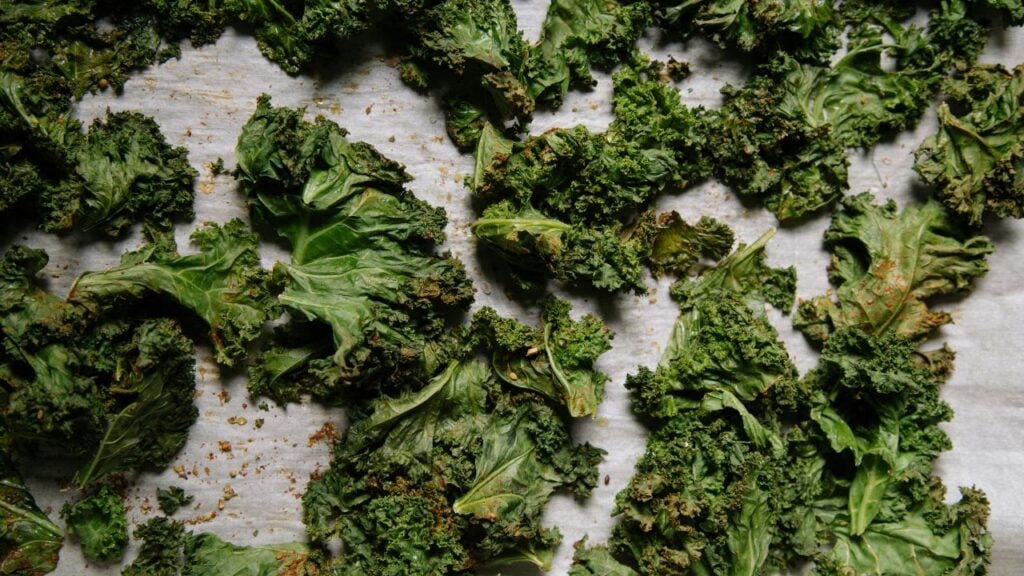
The recall followed an investigation by the California Department of Public Health (CDPH) that began in January 2026 after a report of elevated thallium levels.
Health officials took samples of Brad’s Plant Based products from retail outlets in the Sacramento area. Lab tests found elevated levels of the metal in several products.
In a report issued in May 2026, the department warned consumers not to eat eight Brad’s products. These included the four varieties in the November recall, plus Brad’s Crunchy Kale Vampire Killer, Brad’s Balsamic Salad Snack, Brad’s Ranch Salad Snack and Brad’s Crunchy Kale Nacho.
The FDA recall notice only related to four of the products. Consumer Reports noted that the California health department remained concerned about the other products and continued to advise consumers not to eat them.
Consumer Reports also noted that Snack Right Super Foods had not replied to its queries about why only 4 of the 8 products had been recalled.
Thallium Exposure Could Cause Hair Loss and Nerve Damage

Thallium is a naturally occurring metal found in the soil and in certain minerals. Plants can take it up from the soil, and kale is one of the vegetables known to accumulate certain elements.
The FDA says the contaminant wasn’t introduced during the manufacturing process. It was present in the fresh kale before dehydration and the dehydration process removed around 85 percent to 90 percent of the water from the kale, thereby concentrating the elements that were already there.
Exposure to high levels of thallium can lead to gastrointestinal illness, peripheral nerve damage and hair loss. Other reported symptoms include numbness or pain in the hands and feet, abdominal pain, nausea, vomiting and cardiac problems.
The CDC has advised that anyone presenting with symptoms of thallium exposure should contact a doctor.
What Should Consumers Do With the Recalled Kale Chips?
Consumers who had bought any of the recalled products were asked to stop eating them immediately and to dispose of the bags. The company made it clear it was not offering any refunds and asked customers not to take the products back to stores.
People with any questions regarding the recall could contact Snack Right Super Foods by email at alexandra@thesnackright.com. They stated that customers could expect a response within one business day. Contact was available Monday through Friday, 10 a.m. to 4 p.m. Eastern Time.
Any consumer who thought they’d suffered adverse health effects from consuming the products was asked to contact their healthcare provider.

