

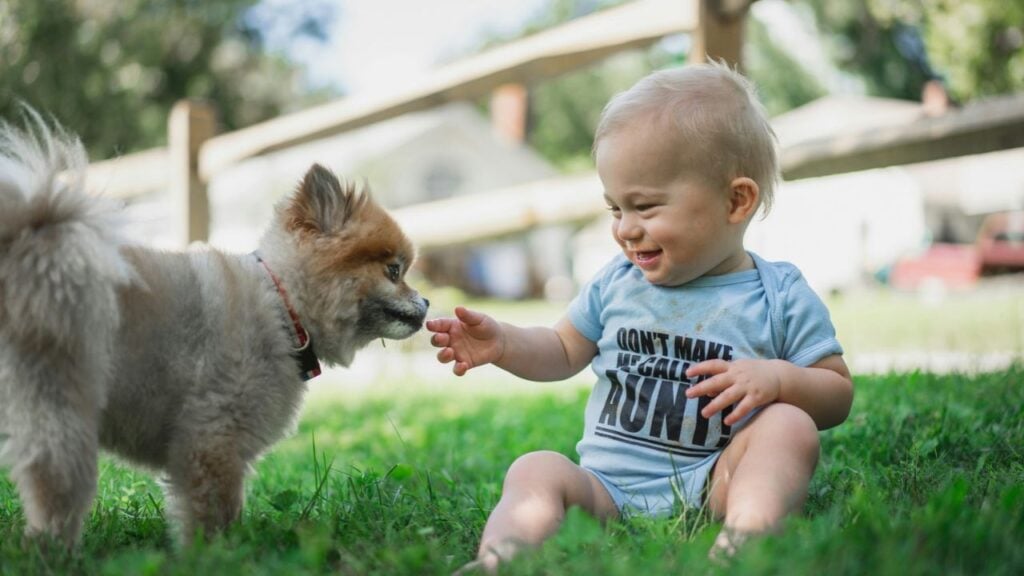
Bringing a pet into a home with kids can be very exciting, but getting them to get along takes time, patience and the right guidance.
Dogs, cats and other pets may take time to get used to a child’s presence and the child will have to learn how to interact with the animals safely.
Parents can help children and pets to develop a healthy bond by setting boundaries, encouraging gentle behavior and keeping an eye on the interaction.
A few simple steps can go a long way to making it easier for both the child and the pet to feel at ease, safe and cared for as they get used to each other.
1. Let Pets and Children Get Comfortable Gradually
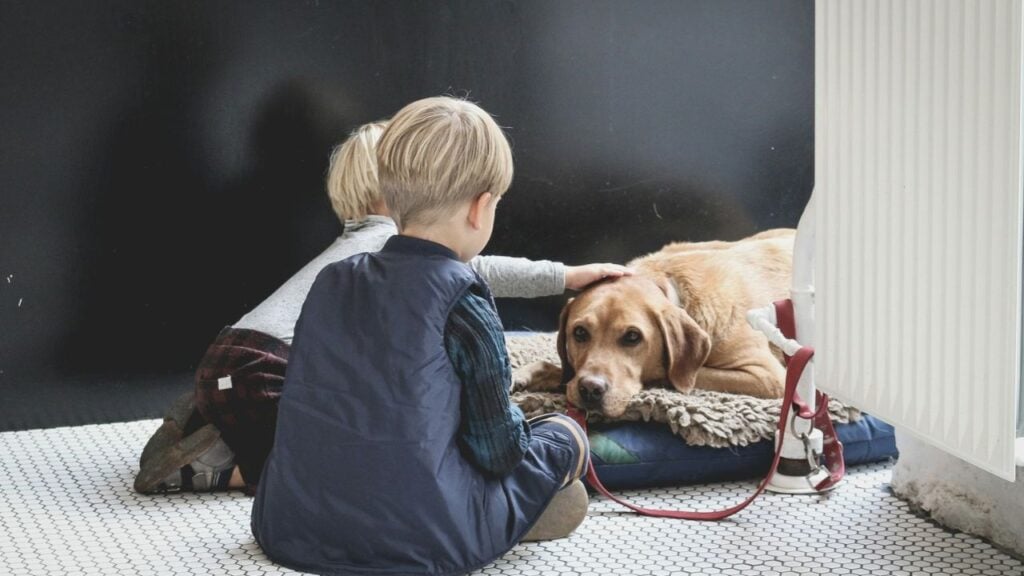
Introducing a pet to a child takes time and patience. Allow them time to get used to each other at their own pace.
Start with very short, supervised sessions in a relaxed environment, then gradually increase the time they spend together as they become more comfortable.
2. Teach Children to Handle Pets With Care
Young children may not realize how easily their actions can hurt or frighten an animal. Show them how to pet their animal gently and make it clear that pulling on the ears, grabbing the tail or climbing all over the pet is completely unacceptable.
Instill gentle behavior and reward them when they interact with the animal gently.
3. Give Pets Their Own Space

Pets need time away from the kids, particularly when they’re feeling overwhelmed. Give them a quiet area where they can rest undisturbed.
Make it absolutely clear to the children that they’re not to follow, touch or otherwise disturb their pet when they are in that space. This kind of respect is vital for the pet to feel at home.
4. Keep an Eye on Children and Pets During Play
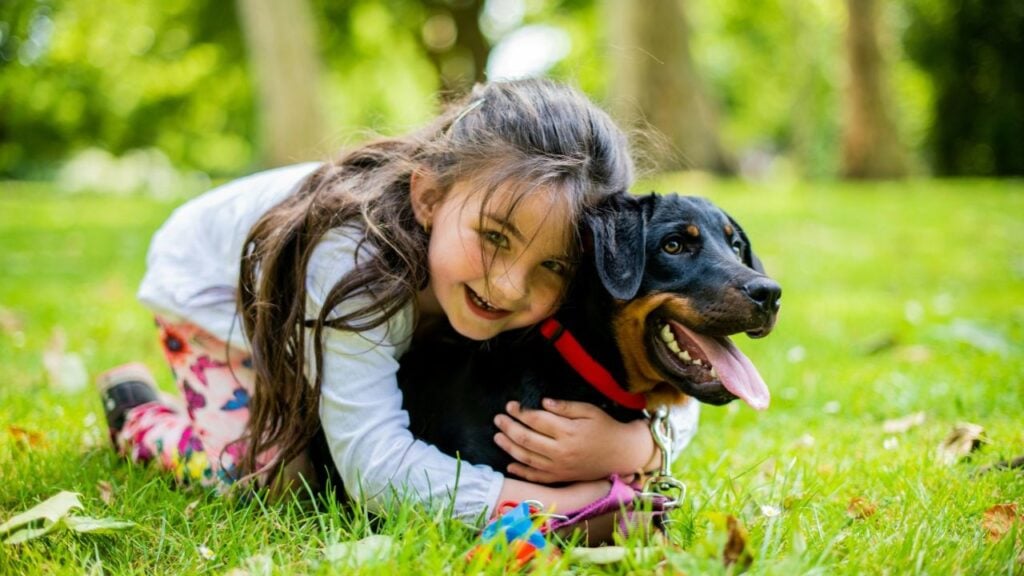
Playtime can be a wonderful experience for your child and pet, but you need to supervise. Keep an eye on playtime and jump in if it gets out of hand or your pet shows any signs of displeasure.
Never leave a baby or young child alone with a pet, no matter how much the pet seems to adore them or how well you think they know each other.
5. Show Children How to Treat Animals
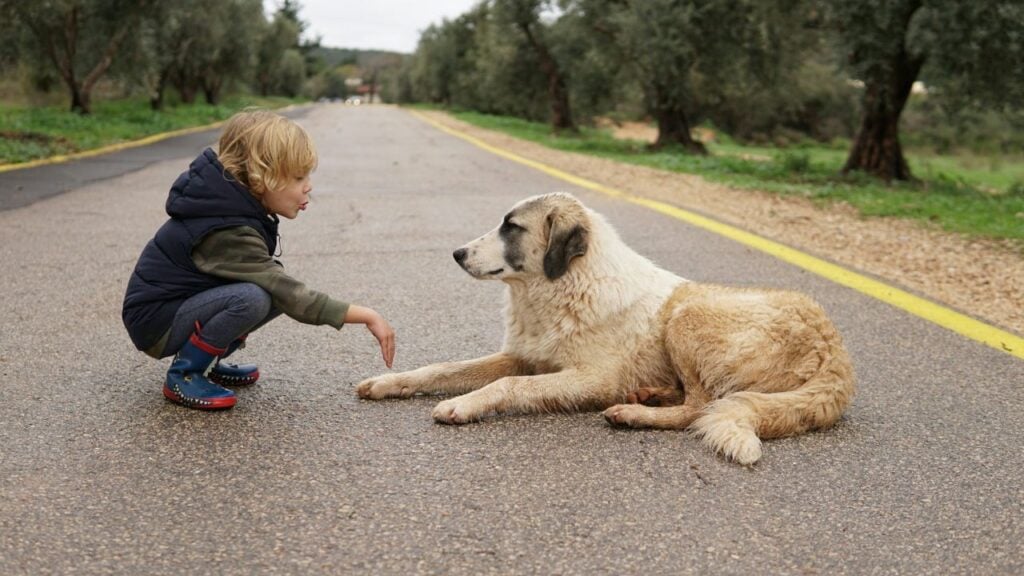
Children will imitate your actions. Take your time, be kind and compassionate and set an example for your pet to follow. Show them how to feed, brush, and play with your pet and they will pass it on to their own pets.
6. Make Pet Care a Shared Responsibility
Encourage the children to help look after the family pet in some way. They can be in charge of refilling the water bowls, brushing the pet, helping prepare food or joining in supervised play. It is a good experience for children to learn about caring for someone else.
7. Follow a Consistent Daily Routine

Creating a reliable timetable helps the pet and child feel settled. Maintain consistent routines for meals, walking, play and napping, as the youngster will learn to anticipate the pet’s needs and the pet will adapt more readily to family life.
8. Consult a Vet or Animal Behaviorist
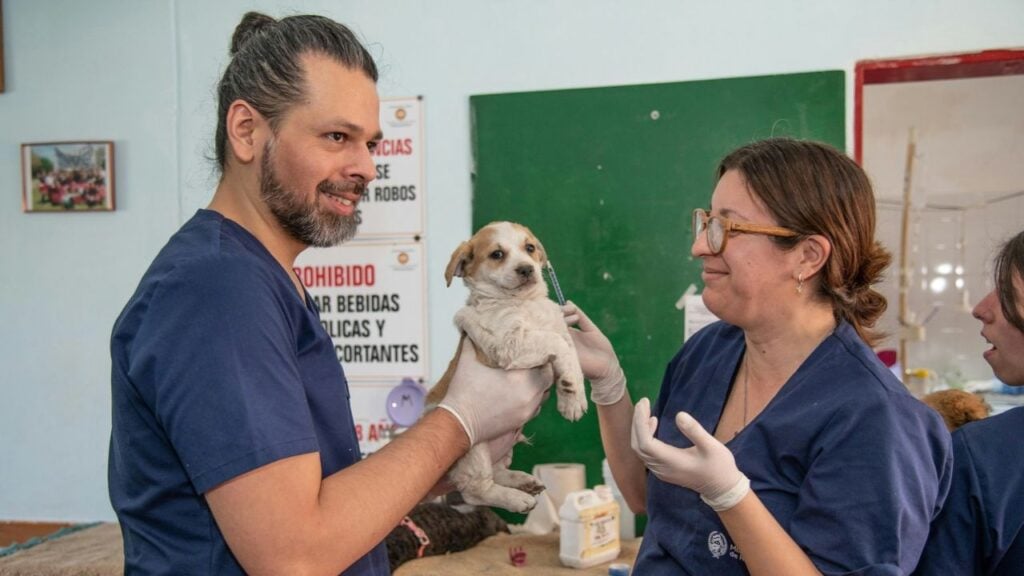
Some pets will take longer to get used to the kids and you might run into some problems along the way.
If you see any signs of stress, fear or aggression, then it’s time to get advice from a vet or a properly qualified animal behaviorist. They can then recommend practical steps that will work for your individual pet and your family.
A bit of patience goes a long way when children and pets are learning to get along. With a few gentle reminders, clear rules and time to adjust, you can make day-to-day interactions much easier and help the children and pets feel safe with each other.

