

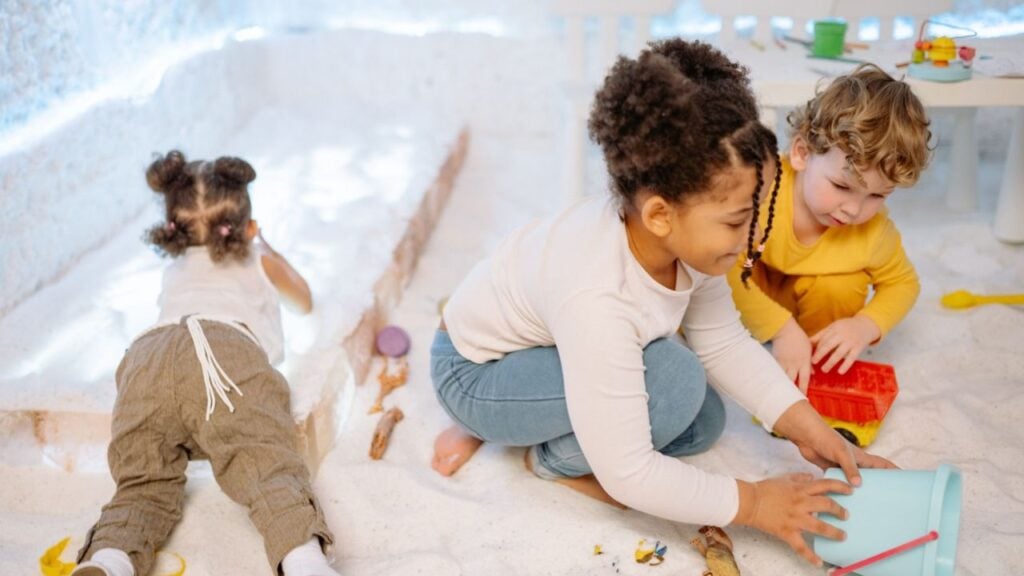
Your child yawns through breakfast, snaps at their siblings, then forgets the one thing you asked them ten minutes ago. While most parents blame their mood, the real cause can be sleep. Kids rarely say “I’m tired.” They show it in ways that look completely different.
The AASM (American Academy of Sleep Medicine) published its pediatric guidelines in 2016. They set clear ranges for sleep every 24 hours, including naps. Toddlers aged one to two need 11 to 14 hours while children aged three to five need 10 to 13 hours of sleep. Kids from six to twelve should sleep 9 to 12 hours. Teenagers need 8 to 10 hours of sleep.
The panel linked regular shortfalls to problems with attention, behavior and learning. So the numbers matter.
Here are eight signs that your child might not be getting proper sleep and what pediatric guidelines say about them.
1. Mornings Feel Like a Battle

Your child sleeps through the alarm. You call their name once, twice, then again. Even after getting up, they stare at their cereal in drowsiness.
A well-rested child usually wakes up more easily. If mornings feel like a daily struggle, your child may not be getting enough sleep at night. Watch the pattern for a full week instead of judging by one rough morning.
2. Small Problems Cause Big Meltdowns

Small problems, like a broken biscuit or the wrong-colored cup, suddenly lead to tears and shouting. When children are tired, they find it harder to manage their emotions. Their patience may run out quickly.
The AASM panel linked enough sleep with better emotional regulation. Notice if these outbursts happen more often after a short night or toward the end of the day.
3. Focus Slips at School
The teacher says your child seems distracted. If the amount of time it should take them to complete homework is 20 minutes but it takes one hour, lack of sleep might be the cause.
You may also notice that simple tasks take more effort than usual. Before blaming your child for being careless, take a look at their bedtime and sleep routine.
4. Tired Kids Get Hyper
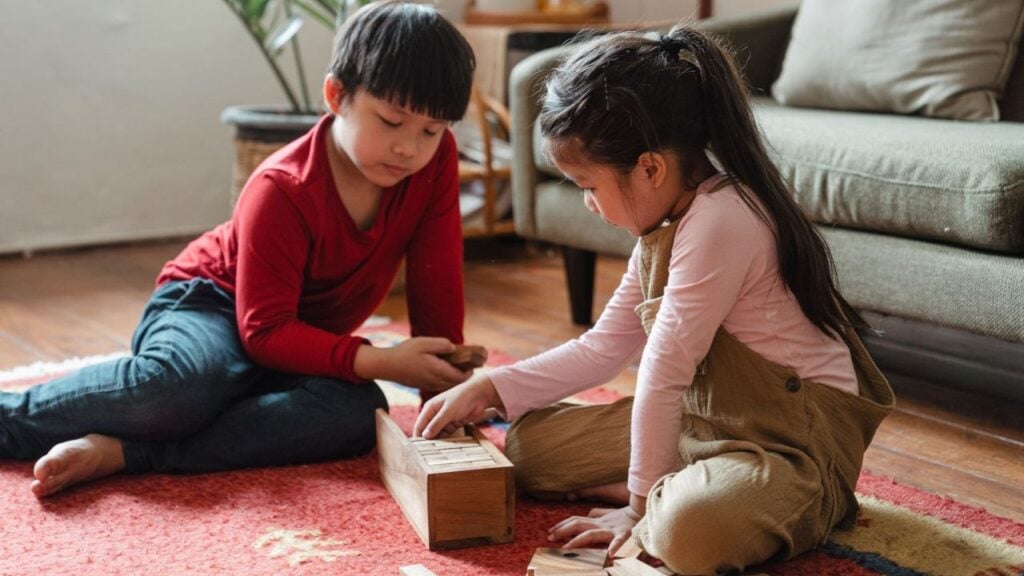
Adults slow down when they’re tired. Many children speed up. They bounce off the sofa, talk nonstop and can’t sit through dinner. It looks like extra energy. Often it’s an overtired body running on fumes. If the wildest behavior shows up just before bed, that’s a clue.
5. Dozing Off in Quiet Moments
Your child begins to doze off during quiet times. This can occur after lunchtime, when completing their homework or even during testing. It can also come about when riding in the car. Falling asleep very quickly during these peaceful times could indicate that your child isn’t getting enough sleep. Parents should also notice this irregularity on days when your child wakes up early.
6. Naps Creep Back In

Your child suddenly starts needing afternoon naps again. They may seem tired even after a full night in bed. Frequent naps can point to too little sleep, poor sleep quality or breathing problems during sleep.
Late naps can also make it harder for your child to fall asleep at bedtime. This can turn into a daily cycle of tiredness and disrupted sleep. Pay attention if this pattern continues for several days.
7. Bedtime Turns into a Struggle

Bedtime comes with one request after another. Your child wants another story, a glass of water or one more trip to the bathroom. Taking more than 20 minutes to fall asleep, resisting bedtime or waking often at night can point to a sleep problem.
Sometimes, the bedtime routine needs a few changes. In other cases, your child may need help with an underlying sleep issue. Watch how often these struggles happen and whether they affect your child the next day.
8. Sleepiness Despite a Full Night of Rest

Some kids experience drowsiness despite having slept through the night. There are also kids who sleep more than what is recommended, yet they continue to feel sleepy. These are some of the symptoms that indicate a sleep disorder.
It might not be solved by having an earlier bedtime. It is advisable to see a pediatrician if the kid remains sleepy throughout the day.
What Parents Can Do Next?
Start with your child’s wake-up time. Allow an extra 5 to 30 minutes for them to fall asleep. This helps you set a realistic bedtime and gives your child enough time to rest.
Then hold the sleep schedule steady, weekends included. Dim the lights an hour before. Switch off screens. Keep the bedroom cool, dark and quiet.
Give the new routine two weeks. If the signs stay, or you notice loud snoring or heavy sleepiness during the day, talk to your pediatrician.
A lot of other problems shrink once the sleep catches up.

