

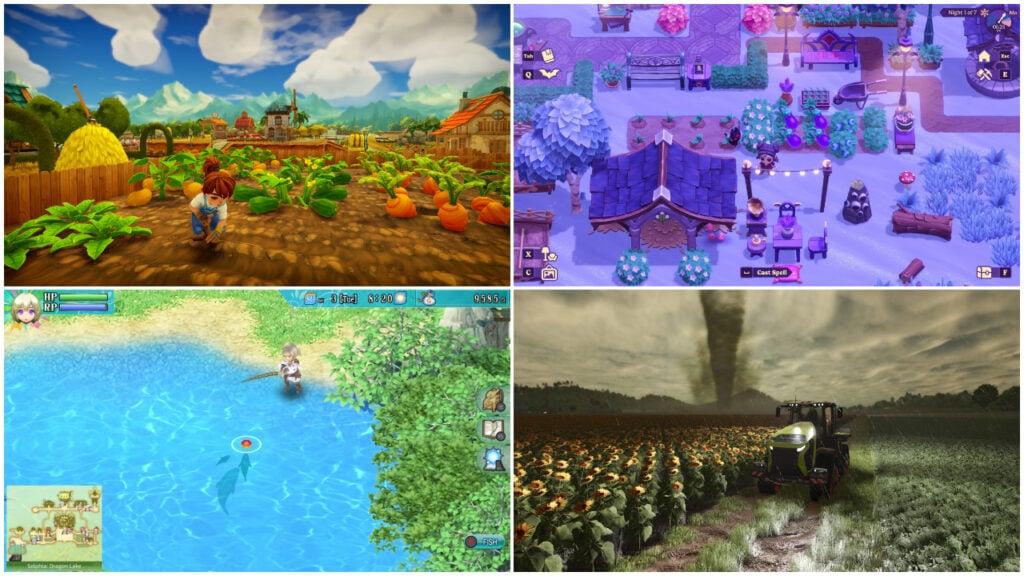
The first harvest in a farming game might only pay for a few more seeds. A few seasons later, that same patch of land could be surrounded by orchards, animal enclosures, and a farmhouse that finally looks lived in. Building toward those improvements is a big part of what makes farming games so absorbing. Kids can see the results of their decisions taking shape, whether they’re saving for their first chicken coop or figuring out how to earn more from the crops they already grow.
There’s plenty of variety in what that farm can look like, too. Some games stick to traditional crops and livestock, with trips into town to sell produce and catch up with the neighbors. Others put dinosaurs to work in the fields or let players use magic to help with the watering. For kids and teens interested in real agriculture, more detailed simulations offer the chance to operate tractors and learn how the different parts of a working farm fit together.
The best farming games for kids and teens cover a broad range of interests and experience levels. We’ve included approachable games for newcomers alongside more in-depth titles for players who enjoy managing a growing business, plus several co-op games that families can play together. Each entry explains what makes the farming enjoyable and includes age ratings, platform availability, and multiplayer details to help you find the best fit for your young ones.
Stardew Valley Gives Players Plenty Of Ways To Grow A Farm
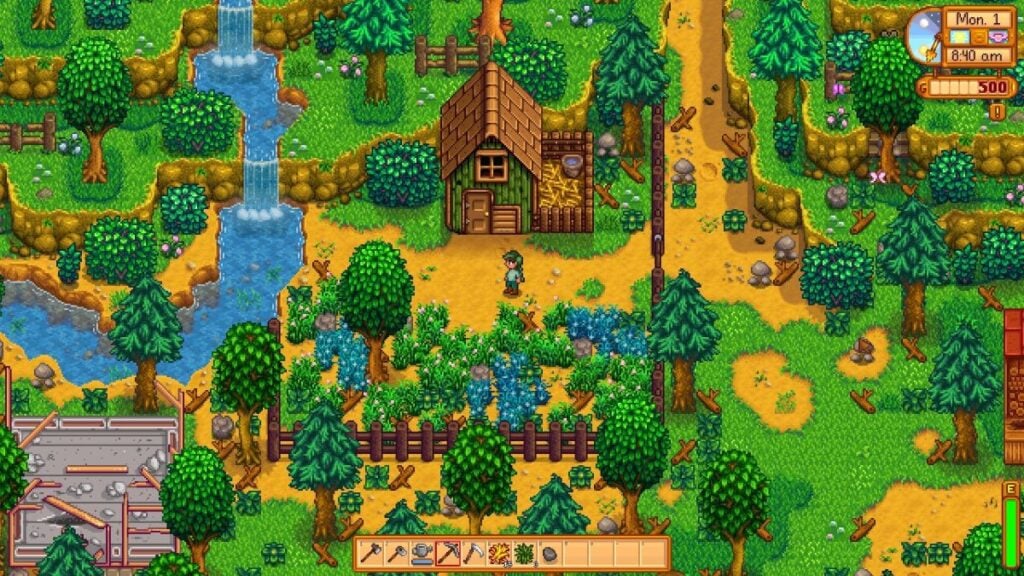
A few packets of seeds don’t look like much when you’re standing in the middle of an overgrown field. In Stardew Valley, though, that first small harvest is the beginning of a farm that can keep evolving for hundreds of hours. Players start by clearing their inherited land before working out which crops suit each season, and then gradually earn enough to bring in livestock or invest in better equipment. Eventually, sprinklers and processing machines make it possible to run a much larger operation.
One player might specialize in preserves, while another builds an animal farm or grows ingredients for the community center. The calendar and daily energy limit encourage planning, but there’s room to change direction as new interests develop. A promising harvest can fund a new barn, which then introduces a whole different set of jobs. Pelican Town’s residents make it worth leaving the property between chores, although it’s worth noting that some character stories touch on themes like depression and alcohol abuse.
Why Kids And Teens Will Love Stardew Valley: A small improvement today can make tomorrow’s work easier. Players who enjoy planning long-term projects will have plenty to work toward, and sharing the farm gives families a reason to divide up responsibilities.
ESRB Rating: E10+ for Everyone 10+
Content Descriptors: Fantasy Violence, Mild Blood, Mild Language, Simulated Gambling, Use of Alcohol and Tobacco
Players: Single-player. Online and local split-screen co-op on supported computer and console versions; limits vary. PC and Switch 2 support up to 8 online players.
Available Platforms: Windows, macOS, Linux, Nintendo Switch, Nintendo Switch 2, PlayStation 4, Xbox One, iOS, Android
Story Of Seasons: Grand Bazaar Puts The Harvest On Sale
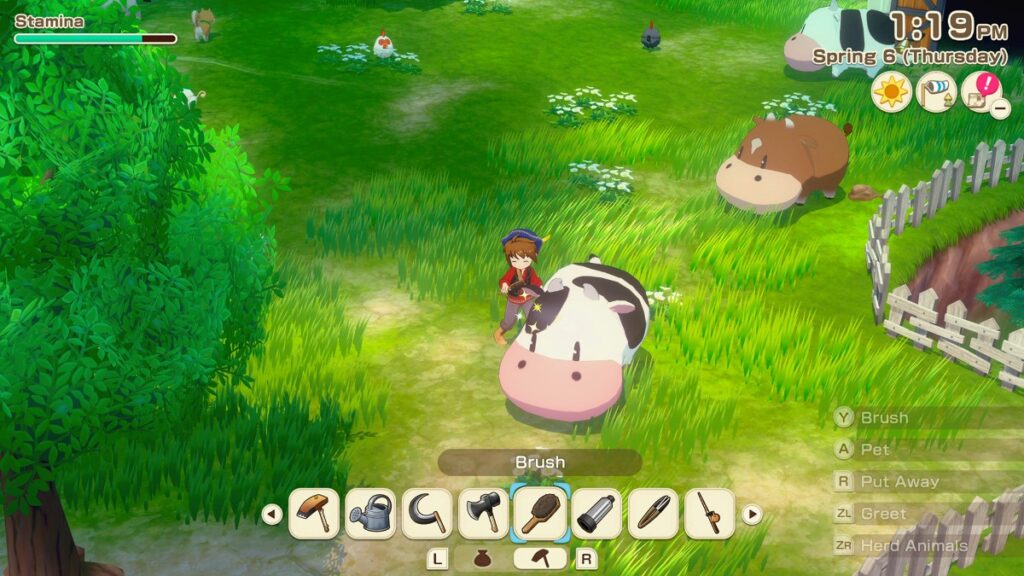
Growing a field full of produce is only the beginning in Story of Seasons: Grand Bazaar. Each week, players bring their goods to Zephyr Town’s market and sell them from their own stall. That gives players something to look forward to every day, as there’s always another crop to prepare or product to make before customers arrive. Windmills can be used to turn farm ingredients into processed goods, opening up more possibilities for what to put on the counter.
Kids who like playing shop get to follow their products from the field to the customer, then spend the proceeds on improving the farm. Helping the market recover its former popularity gives the whole town something to work toward. Between market days, tending livestock and getting to know the neighbors provide a more traditional farming routine, while the glider makes trips around the breezy countryside a little more playful.
Why Kids Will Love Story Of Seasons: Grand Bazaar: Running a market stall gives kids a fun payoff for the work they’ve done all week. Planning the next batch of goods becomes more interesting when they’re the ones making the sale.
ESRB Rating: E for Everyone
Content Descriptors: None
Players: Single-player
Available Platforms: Windows, Nintendo Switch, Nintendo Switch 2, PlayStation 5, Xbox Series X|S
Roots Of Pacha Lets A Whole Community Discover Farming
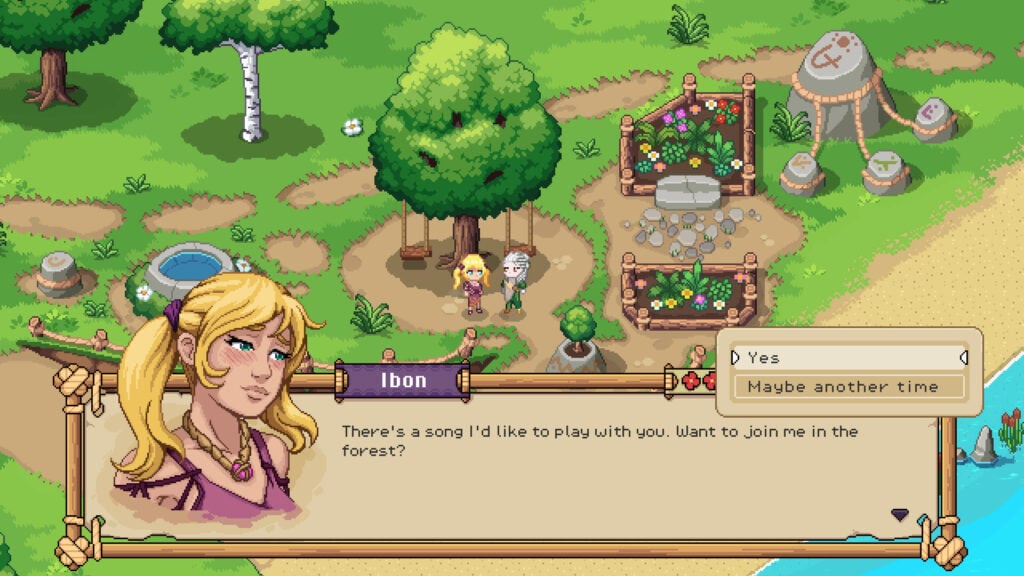
Roots of Pacha takes farming back to a time when most of the tools and techniques we take for granted today were new ideas. Players settle into a prehistoric community, discover wild plants, and begin turning them into dependable crops. Animals have to be befriended, and improvements come from helping the clan develop its knowledge. There’s a sense of discovery to establishing the farm because the community is still figuring out how to make all this work.
New ideas gradually give the clan more ways to work with the resources around it. That shared development fits the cooperative mode particularly well, although the village feels involved when playing alone, too. Exploration offers a change of pace, with cave puzzles providing challenges without the monster fighting found in many other farming games. There’s still reading and resource management to learn, but combat won’t interrupt a trip underground.
Why Kids Will Love Roots Of Pacha: Discovering a new plant or befriending an animal can lead to something the whole village benefits from. Kids get to help a community grow while building a farm of their own.
ESRB Rating: E10+ for Everyone 10+
Content Descriptors: Use of Alcohol
Players: Single-player. Online co-op for up to 4 players, with cross-play.
Available Platforms: Windows, macOS, Linux, Nintendo Switch, PlayStation 4, PlayStation 5, Xbox One, Xbox Series X|S
Farm Together 2 Makes Room For The Whole Family
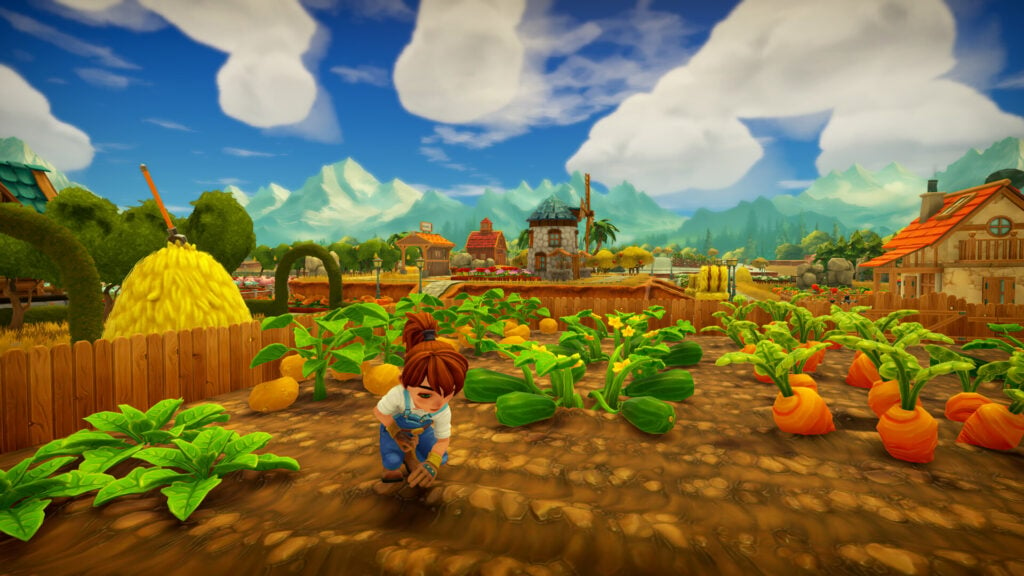
Farm Together 2 starts with a small plot and steadily gives players more land to fill. Crops, orchards, and animal enclosures can eventually stretch well beyond the original patch, with a tractor helping handle the extra work. The town provides a place to sell produce and fulfill requests, earning money that goes back into the farm. Crops continue growing while the game is closed, so returning later can mean finding a harvest ready to collect.
As the property expands, its layout becomes a project in its own right. Players can reshape the terrain, lay out roads, and arrange buildings around the working areas. Some will favor neat, efficient rows, others will spend more time making their farmhouse surroundings look just right. Family members can contribute through split-screen or online play while the farm’s access settings let the owner choose who can visit.
Why Kids Will Love Farm Together 2: Everyone can find a job, whether that’s harvesting crops or deciding where the next orchard belongs. The growing property leaves plenty of space for different ideas to coexist.
ESRB Rating: E for Everyone
Content Descriptors: None
Players: Single-player. Local split-screen for up to 4 players and online multiplayer for up to 16.
Available Platforms: Windows, macOS, Nintendo Switch, PlayStation 5, Xbox One, Xbox Series X|S
Doraemon Story Of Seasons: Friends Of The Great Kingdom Adds Gadgets To Farm Life

A miniature raincloud would make watering the garden considerably easier. That’s the sort of help Doraemon brings to Friends of the Great Kingdom, where Noby and his friends arrive on another planet and help restore the farm of a boy named Lumis. In this game, growing crops and caring for animals takes place against scenery that looks like an illustrated storybook. Doraemon’s gadgets gradually introduce more unusual possibilities, including cultivating a garden in the sky.
Those inventions give the game a playful science-fiction side, but the friendship between the characters keeps the story grounded. Players spend time helping people and working on the farm as the group settles into its temporary home. There’s quite a bit of dialogue, so younger children may appreciate having someone to read along. Fortunately, the second player can do more than just watch, as offline co-op lets a parent or sibling join in with farm work and other activities.
Why Kids Will Love Doraemon Story Of Seasons: Friends Of The Great Kingdom: The gadgets give ordinary chores a surprising twist. Working alongside another player makes it easier to learn the routines while enjoying the story together.
ESRB Rating: E for Everyone
Content Descriptors: Mild Language, Alcohol Reference
Players: Single-player. Local co-op for 2 players.
Available Platforms: Windows, Nintendo Switch, PlayStation 5
Fields Of Mistria Makes Farm Work Part Of Rebuilding A Town
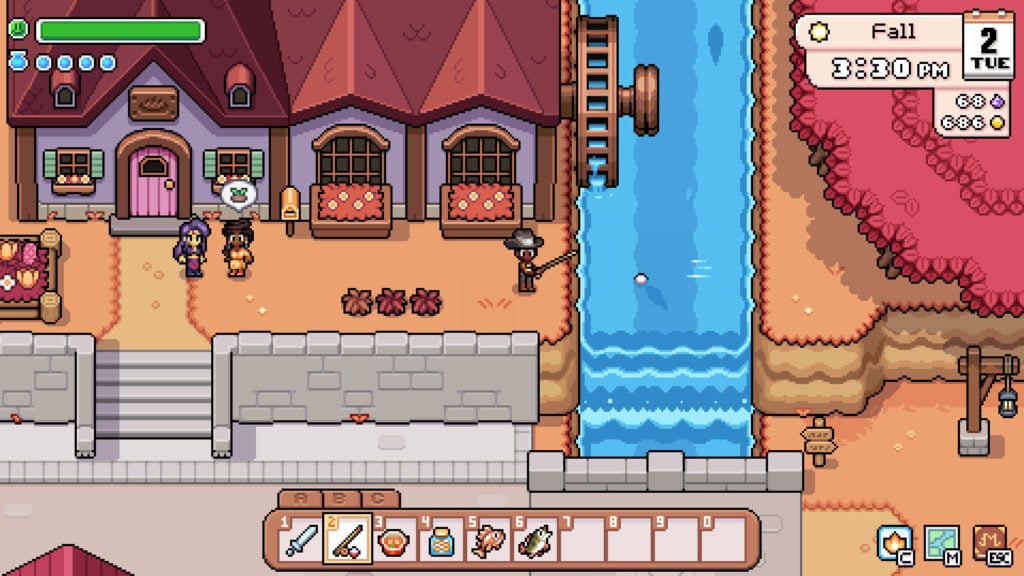
The people of Mistria offer players a homestead in exchange for help repairing their earthquake-damaged town. Bringing the overgrown property back into use means growing seasonal crops, keeping animals, and building up the resources needed for improvements. Magic can be used as part of the restoration process, providing practical help as the farm develops. Animal breeding adds another goal, with rare color variants giving collectors a reason to pay closer attention to their livestock.
The town itself is one of Fields of Mistria’s major selling points. Getting to know the residents gives players more reasons to leave their fields, and community improvements connect their daily efforts to the place around them. The expressive character portraits and changing seasonal outfits help give those encounters personality. Exploring the ruins introduces combat and treasure hunting, so players have something more demanding to try when they want a break from farming.
Why Kids And Teens Will Love Fields Of Mistria: Helping repair the town gives each harvest a purpose beyond making money. The combination of community projects, magical abilities, and unique animal colors offers several rewarding long-term goals.
ESRB Rating: No official ESRB rating listed
Content Notes: Fantasy combat and romance; these are descriptive notes, not official ESRB descriptors.
Players: Single-player
Available Platforms: Windows
Story Of Seasons: Friends Of Mineral Town Builds Around A Classic Farming Routine

For players who picture cows, chickens, and rows of vegetables when they think of a farming game, Friends of Mineral Town is a good place to start. This remake puts them in charge of their grandfather’s old farm, with a nearby town to supply seeds and introduce new neighbors. The gameplay loop is pretty straightforward and involves preparing the soil, planting for the season, and caring for animals that provide produce to sell. Making all those jobs fit into a single day takes a little more practice, though.
The daily routine becomes more comfortable as players learn the town’s layout and decide how much work they want to take on. An extra field can bring more income, but it needs attention. Likewise, new livestock makes the farm livelier, but it adds additional responsibilities. Festivals and friendships break up the agricultural calendar and give players a reason to save something special from the harvest.
Why Kids Will Love Story Of Seasons: Friends Of Mineral Town: Caring for a group of animals and learning the rhythms of a small town can become an enjoyable daily ritual. There’s always another manageable improvement to save for.
ESRB Rating: E10+ for Everyone 10+
Content Descriptors: Comic Mischief, Suggestive Themes, Use of Alcohol
Players: Single-player
Available Platforms: Windows, Nintendo Switch, PlayStation 4, Xbox One
Ooblets Grows Some Very Unusual Farm Helpers
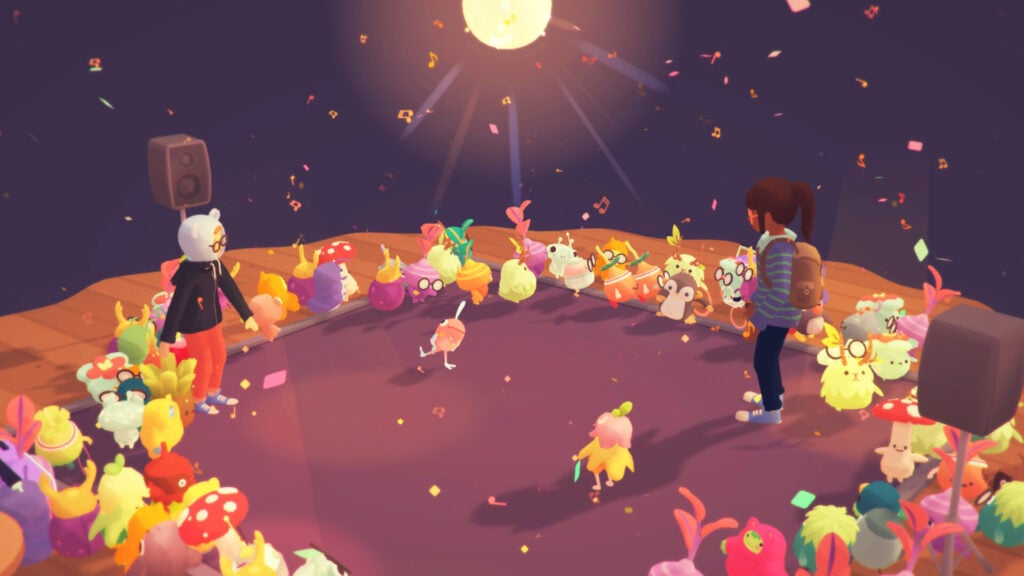
Vegetables aren’t the only things coming out of the ground in Ooblets. Players can plant seeds that grow into small creatures, then take their new companions into dance competitions around town. Winning those card-based contests provides more opportunities to expand the collection. Conventional crops support the process, supplying ingredients for food and other items needed as players explore beyond their starting home in Badgetown.
The creatures can eventually help with farm work, which gives collecting them a practical benefit alongside the pleasure of finding a new favorite. Meanwhile, the dance battles provide a strategic challenge without requiring fast reactions or having the creatures hurt each other. Kids will need to read the cards and think about how their effects work together, but the game’s oddball humor keeps planning from feeling too serious, particularly when the dancers themselves look so ridiculous.
Why Kids Will Love Ooblets: Growing a creature from a seed makes collecting it feel personal. Kids can put together a team of favorites and discover how those same companions can help back at the farm.
ESRB Rating: E for Everyone
Content Descriptors: None
Players: Single-player
Available Platforms: Windows, Nintendo Switch, Xbox One
Slime Rancher 2 Gives Hungry Slimes A Home
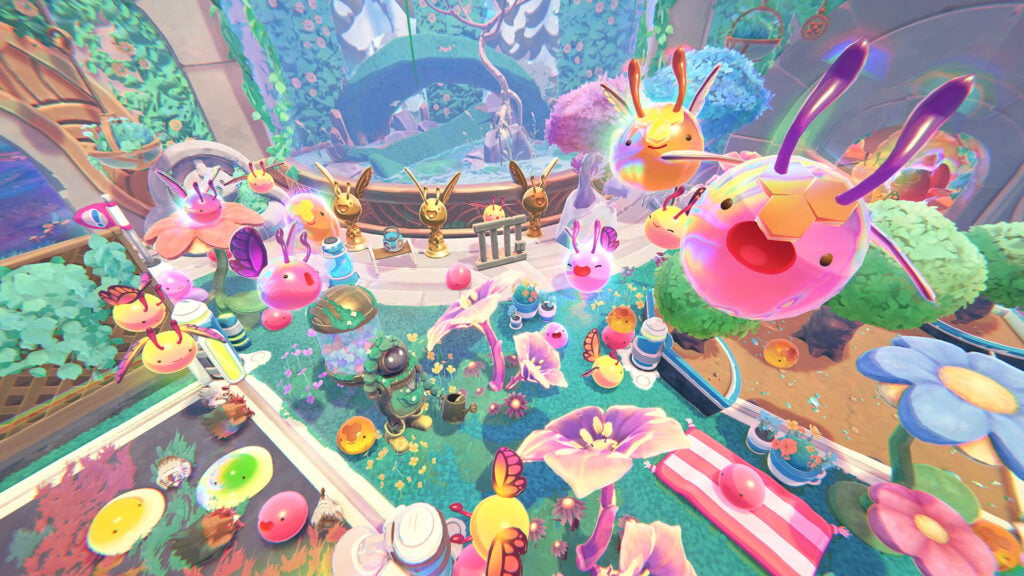
Slime Rancher 2 puts Beatrix LeBeau in charge of a strange ranch on Rainbow Island. Armed with a vacuum pack, players collect bouncing slimes and bring them home to enclosures. Feeding them produces plorts, which can be sold or used in crafting, so establishing a reliable food supply is an important part of the job. Gardens and chicken coops help support the ranch as its population grows, while upgrades make caring for everyone more efficient.
Exploring the island is how players find new slimes and resources, giving each trip a direct connection to the work waiting at home. Different diets and behaviors make choosing the ranch’s inhabitants more interesting than simply filling every enclosure. There are hazards to manage, including aggressive slimes, although settings can reduce the danger. Disabling regular Tarr spawns makes everyday ranching safer, but a related threat still appears in the final challenge with reduced damage.
Why Kids Will Love Slime Rancher 2: Bringing home a newly discovered slime gives kids an immediate reason to rethink part of their ranch. Figuring out how to keep these excitable creatures fed and contained is half the fun.
ESRB Rating: E10+ for Everyone 10+
Content Descriptors: Fantasy Violence
Players: Single-player
Available Platforms: Windows, PlayStation 5, Xbox Series X|S
Farming Simulator 25 Puts Real Machinery To Work
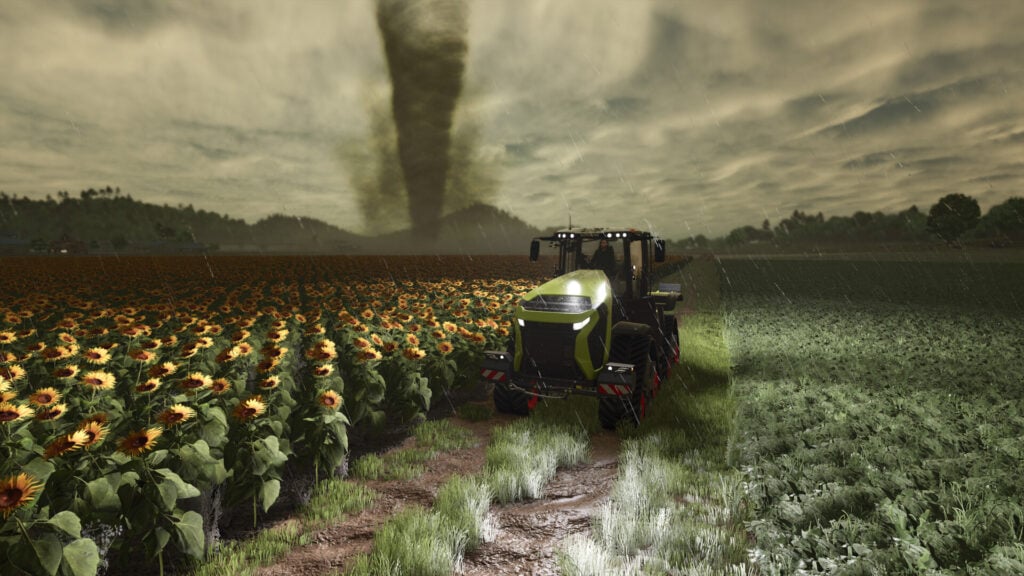
Farming Simulator 25 is a go-to game for players who want to understand what all those machines in a field actually do. Cultivating land, sowing crops, and bringing in the harvest involve operating equipment from real agricultural manufacturers. The crops influence the work, too, as a rice-growing operation has different needs from a field of wheat. As the farm expands, livestock and production businesses give players more ways to use what they produce.
There’s a lot to learn here, especially when choosing equipment and balancing costs against the money a harvest might bring in. Teens who enjoy management farming games can get absorbed in making the business more efficient, while younger machinery enthusiasts may prefer driving with an adult helping handle the decisions. Cooperative play lets a group share larger jobs, with different players operating the equipment needed to get a field finished.
Why Teens Will Love Farming Simulator 25: Learning to run a working farm opens up increasingly ambitious projects. Vehicle enthusiasts get to operate recognizable machinery with a purpose, while planners can concentrate on building a profitable business.
ESRB Rating: E for Everyone
Content Descriptors: None
Players: Single-player. Online co-op on computer, PlayStation, and Xbox versions. The Switch 2 adaptation is single-player.
Available Platforms: Windows, macOS, PlayStation 5, Xbox Series X|S. A related adaptation, Farming Simulator: Signature Edition, is available on Nintendo Switch 2.
Coral Island Connects A Tropical Farm To The Community Around It
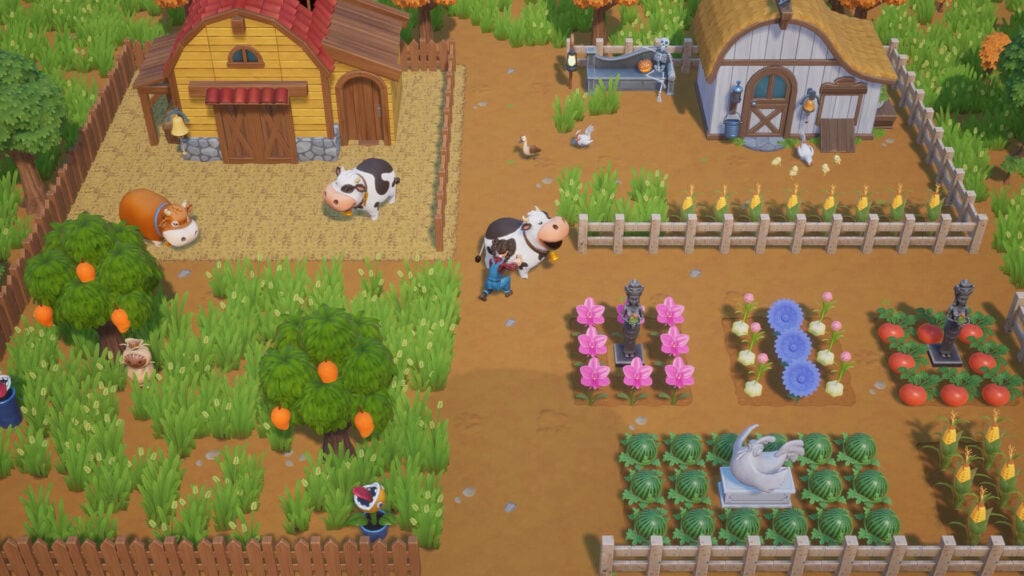
Coral Island gives players an overgrown property near a tropical town, with space to develop a substantial crop and livestock farm. Seasonal planting provides the starting point, but the island soon offers competing demands on the day’s energy. A trip into the mines can supply materials for improvements, while donating discoveries helps build up the museum. The farm provides a dependable source of income as players take on these larger projects.
Getting to know the residents makes those projects feel connected to a living community, with friendships and romance developing alongside the farm. Meanwhile, diving brings players beneath the waves to clear rubbish and help damaged coral recover, extending the work of improving the island beyond their own fields. There’s a considerable amount to manage here, so older kids and teens who already enjoy this genre are likely to get the most from it. Online co-op lets friends share the property and contribute to its progress.
Why Kids And Teens Will Love Coral Island: Players can help improve a whole island while developing their own farm. Underwater exploration offers an interesting change of scenery, especially for kids interested in marine life and conservation.
ESRB Rating: E10+ for Everyone 10+
Content Descriptors: Alcohol Reference, Comic Mischief, Fantasy Violence
Players: Single-player. Online co-op for up to 4 players.
Available Platforms: Windows, PlayStation 5, Xbox Series X|S
Sun Haven Lets Magic Change The Way Players Farm
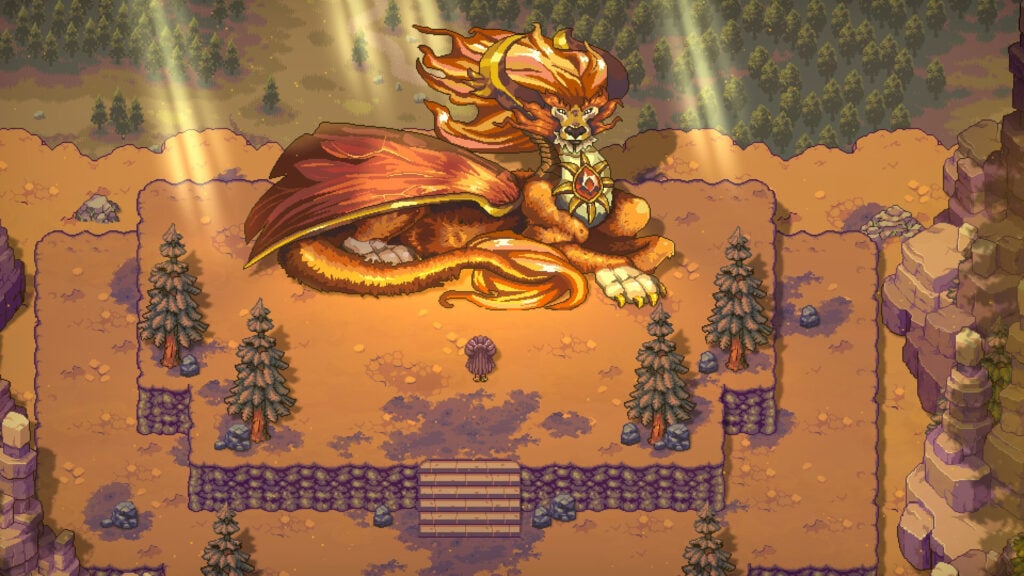
A farm with chickens and cows is perfectly possible in Sun Haven, but so is one with much stranger residents. The game’s fantasy setting extends into its agriculture, introducing unusual animals and crops as players discover more of the world. Eventually, they can manage farms in different locations, each with its own produce. Spells and character skills provide additional ways to develop the operation, connecting farm work to the broader RPG progression.
The breadth of Sun Haven gives ambitious players plenty to pursue, although trying to develop everything at once can become overwhelming. Fortunately, the game offers several ways to adjust the demands. There’s no stamina bar limiting how many chores players can perform, and day lengths can be changed to leave more time for exploration. Optional invincibility makes combat easier to handle, too. These settings let kids concentrate on the parts they enjoy most while gradually learning the rest.
Why Kids And Teens Will Love Sun Haven: Fantasy fans can build a farm that suits a world of magic and strange creatures. The adjustable settings give them some control over how demanding that growing collection of responsibilities becomes.
ESRB Rating: E10+ for Everyone 10+
Content Descriptors: Mild Fantasy Violence, Use of Alcohol
Players: Single-player. Online co-op for up to 8 players on Windows and macOS; Nintendo Switch is single-player.
Available Platforms: Windows, macOS, Nintendo Switch
Wylde Flowers Gives A Family Farm A Magical Second Life
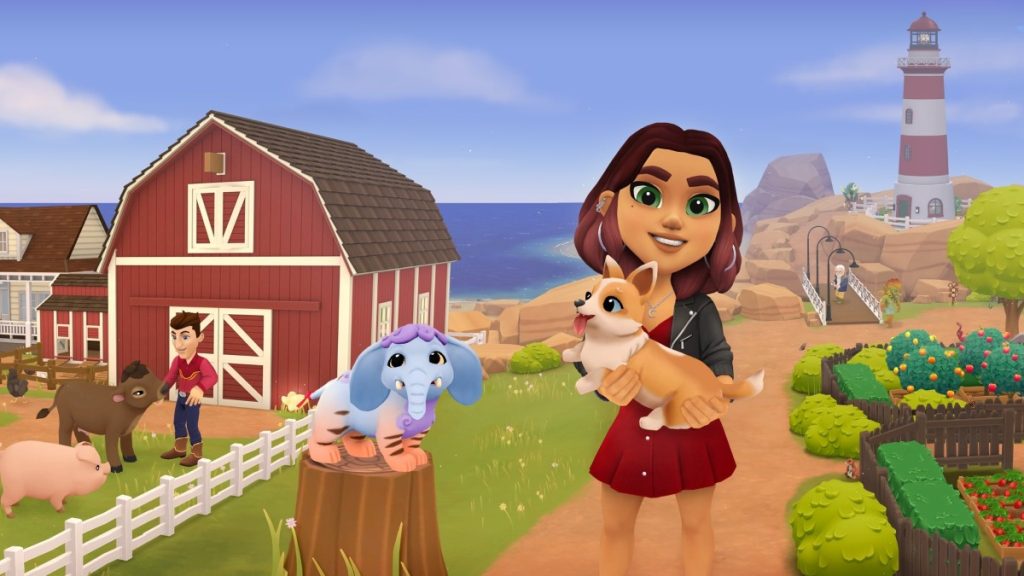
Tara moves to Fairhaven to help her grandmother and work on the family farm. At first, that means settling into everyday jobs, growing ingredients, and finding her way around town. Discovering the local coven changes her responsibilities considerably. As Tara learns witchcraft, magic becomes another way to tend the property, with spells affecting the weather and even the passing of the seasons. Over time, her ordinary and magical lives will become increasingly dependent on each other.
The residents of Fairhaven have their own relationships and problems, so trips into town can be just as engaging as improving the farm. Players follow a defined protagonist through personal changes, giving the game a different feel from farming sims built around a completely blank-slate character. Family illness, grief, and tensions within the community make this a better recommendation for teens, particularly those who want a story to follow while working toward their next farm upgrade.
Why Teens Will Love Wylde Flowers: The farm gives Tara a place in a community whose members become increasingly familiar. Teens who enjoy character-driven games can follow those relationships while discovering practical uses for her magical abilities.
ESRB Rating: T for Teen
Content Descriptors: Use of Alcohol
Players: Single-player
Available Platforms: Windows, Nintendo Switch, PlayStation 5, Xbox Series X|S; iPhone, iPad, Mac, and Apple TV through Apple Arcade
Rune Factory 4 Special Makes Farming Part Of A Larger RPG
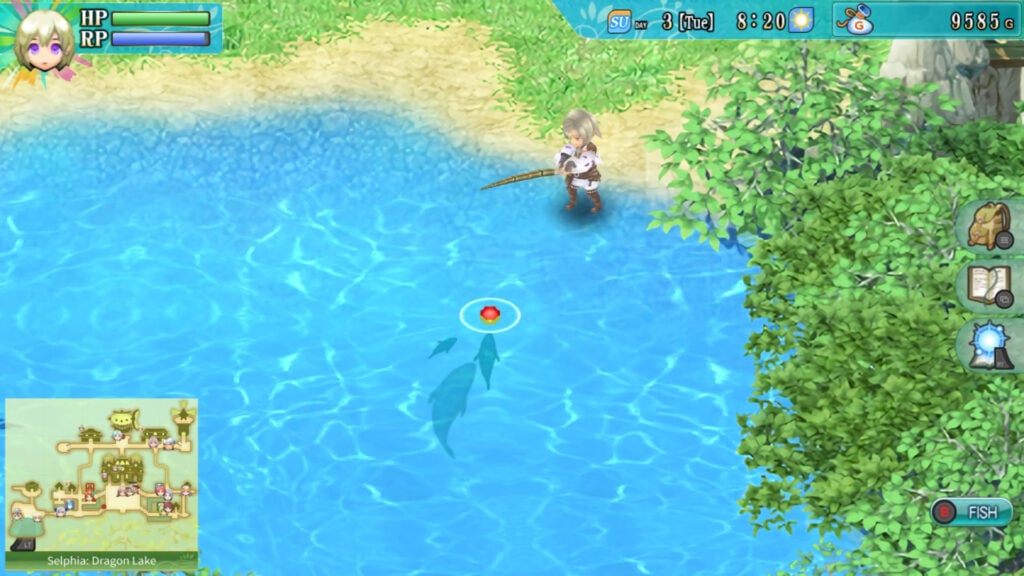
In Rune Factory 4 Special, a productive field can be just as valuable as a better weapon. Players grow crops and use the harvest to earn money or prepare food, supporting the expeditions they take beyond the town of Selphia. Monsters can become companions and farm residents, linking creature raising to the rest of the player’s daily tasks. There’s a beefy farming game here, even when the story is calling players toward another dungeon.
Most activities in Rune Factory 4 support one another. Exploring brings back materials for crafting, better equipment helps with tougher challenges, and time spent at home prepares the character for the next trip. Farming itself offers more to learn as players improve their crops and tools. The action combat is a significant part of Rune Factory 4 Special, so it’s best suited to players who want battles alongside their harvests.
Why Teens Will Love Rune Factory 4 Special: Progress on the farm can help solve a problem encountered outside town. Players who enjoy developing a character will appreciate having several connected ways to become more capable.
ESRB Rating: T for Teen
Content Descriptors: Fantasy Violence, Mild Language, Mild Suggestive Themes, Use of Alcohol
Players: Single-player
Available Platforms: Windows, Nintendo Switch, PlayStation 4, Xbox One
Rune Factory: Guardians Of Azuma Expands Farming Into Village Management
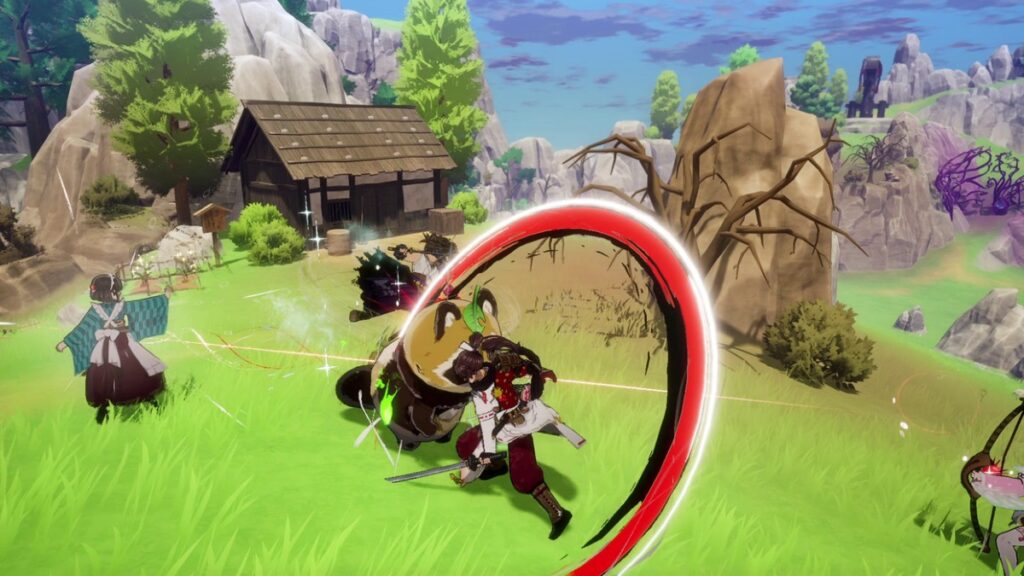
Guardians of Azuma takes the Rune Factory formula to a Japanese-inspired land damaged by a disaster and a spreading blight. As an Earth Dancer, the player uses sacred treasures to restore the land and help its communities recover. Farming is part of the process of rebuilding entire villages, with fields, buildings, and residents contributing to their recovery. Each seasonal settlement gives the player another place to develop as the story moves forward.
Players can directly participate in growing crops or they can let residents handle tasks while they spend more time exploring. That flexibility suits a game with so much happening beyond the fields, including action combat and relationships with potential companions. Planning a village’s layout and bringing people back gives farming a broader management role than it has in many other farming games on this list. Teens who like seeing a settlement develop around their decisions should enjoy that extra responsibility.
Why Teens Will Love Rune Factory: Guardians Of Azuma: Restoring a village lets players see the results of their work on a larger scale. Sharing jobs with its residents leaves room to pursue the story without personally handling every chore.
ESRB Rating: T for Teen
Content Descriptors: Fantasy Violence, Language, Mild Suggestive Themes, Use of Alcohol
Players: Single-player
Available Platforms: Windows, Nintendo Switch, Nintendo Switch 2, PlayStation 5, Xbox Series X|S
Dinkum Builds A Farming Community In The Australian Wilderness
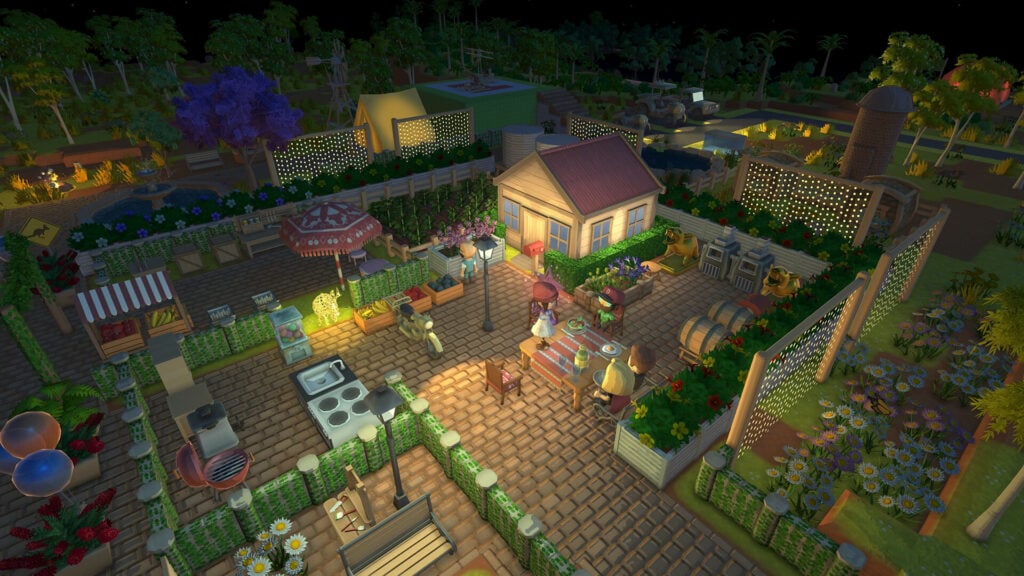
Establishing a farm in Dinkum means helping build the town around it, too. Players arrive on an Australian-inspired island and gather the resources needed to turn a small settlement into a place people want to live in. Growing crops and raising animals become part of that development, supplying food and income as the community expands. The changing seasons encourage players to think about what they’re planting and how their farm will work throughout the year.
Having control over the settlement’s layout gives the agricultural side of the game plenty of room to grow. A practical patch near home can eventually become part of a much larger propriety, complete with space for animals and new buildings. Dinkum includes hunting and combat, making it better suited to older kids who are comfortable with some risk while exploring. Friends can visit to help with projects, turning the construction of a new farming town into a shared undertaking.
Why Kids And Teens Will Love Dinkum: Building the surrounding town gives creative players more to shape than a single property. A farm can become part of a settlement they’ve planned themselves, with friends helping bring larger ideas to life.
ESRB Rating: E10+ for Everyone 10+
Content Descriptors: Fantasy Violence
Players: Single-player. Online co-op for up to 4 players; Nintendo versions also support local wireless play on separate systems.
Available Platforms: Windows, Nintendo Switch, Nintendo Switch 2
Littlewood Leaves Time To Think About The Next Job
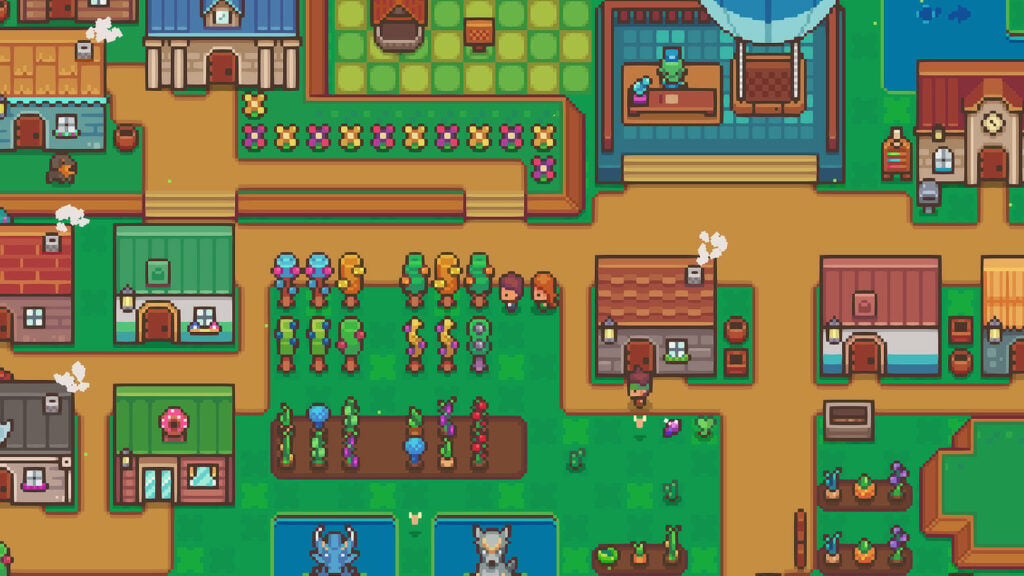
The great battle is already over by the time the story of Littlewood kicks off. Having saved the world, the hero now has a town to rebuild and a much more ordinary set of responsibilities to learn. Farming contributes to that new life through crops and fruit trees, with the produce helping support cooking and trade. Players can arrange the settlement around their own preferences, placing its growing collection of homes and facilities alongside the land they cultivate.
Littlewood’s handling of time makes it particularly approachable. The day advances as players spend energy on activities, so simply walking around and deciding what to do doesn’t use up the entire afternoon. Farming is simpler than in the more specialized games on this list, with town building taking a substantial share of the attention. That balance suits players who enjoy organizing a space and completing little projects.
Why Kids Will Love Littlewood: Kids can look around, make a plan, and then get to work without losing daylight just by exploring. The game’s compact tasks make rebuilding a whole town feel manageable one project at a time.
ESRB Rating: E for Everyone
Content Descriptors: None
Players: Single-player
Available Platforms: Windows, macOS, Linux, Nintendo Switch
Moonlight Peaks Gives Vampire Life An Agricultural Twist
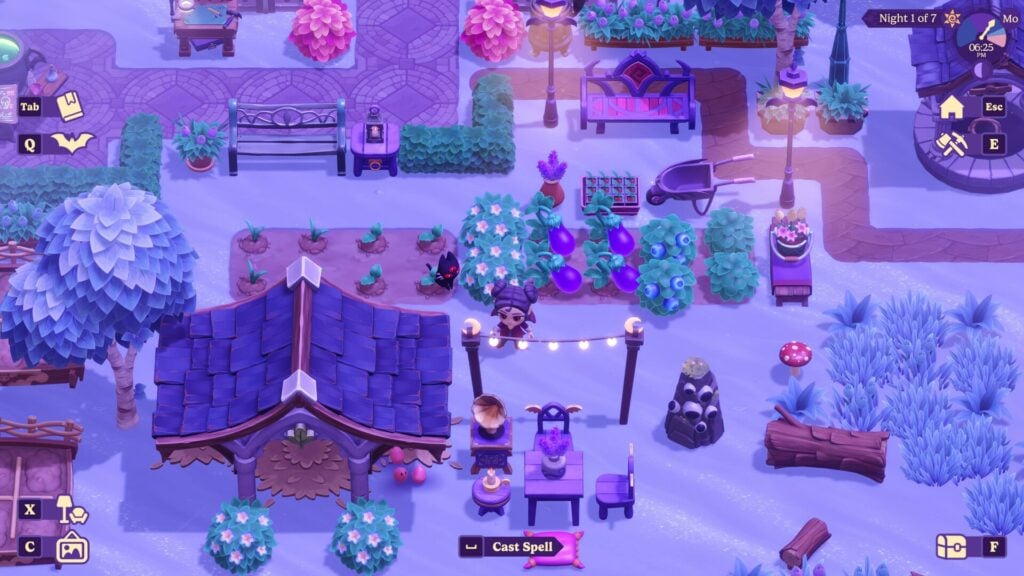
Count Dracula has certain expectations for his child, but the protagonist of Moonlight Peaks would prefer to try farming. Moving to the family’s abandoned homestead provides a chance to pursue a different life, growing enchanted crops and raising magical livestock among a community of supernatural neighbors. The work happens after dark, with a coffin waiting at home when it’s time to turn in before sunrise.
Vampire abilities turn Moonlight Peaks into one of the most unique farming games out there. Shapeshifting helps with exploration, while learning spells provides assistance on the farm and when gathering resources. Developing the property gives players somewhere to express their taste for gothic decoration, and the town’s residents offer friendships and romance. The supernatural theme is generally playful, with much of the game devoted to making a home among other strange people.
Why Teens Will Love Moonlight Peaks: A farm full of enchanted plants gives vampire fans an unlikely place to settle down. The nocturnal lifestyle and supernatural abilities make chores feel different without abandoning the appeal of building a home.
ESRB Rating: T for Teen
Content Descriptors: Suggestive Themes, Use of Alcohol
Players: Single-player
Available Platforms: Windows, macOS, Nintendo Switch, Nintendo Switch 2
Paleo Pines Recruits Dinosaurs As Farmhands
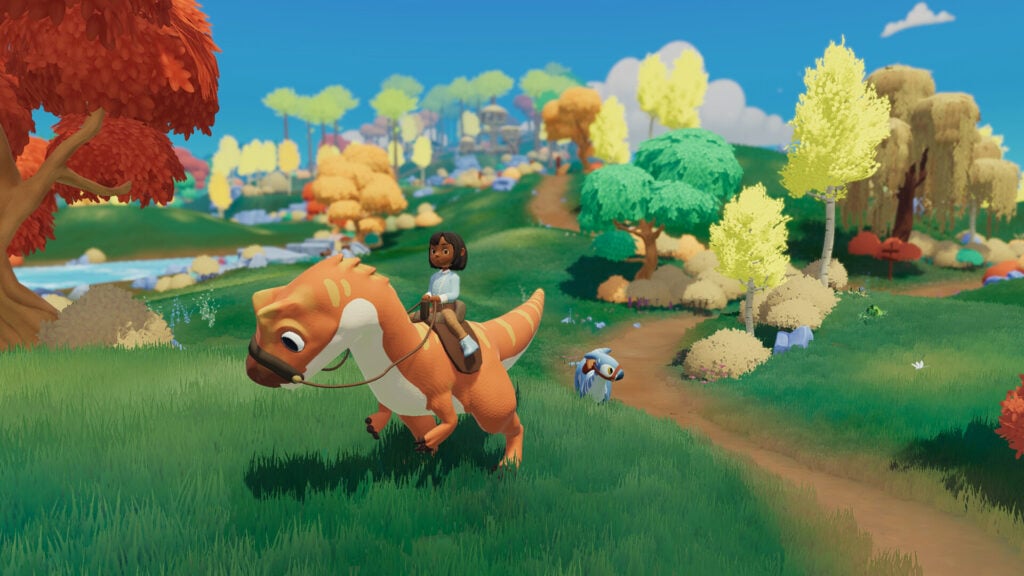
Paleo Pines makes a convincing case for having a dinosaur around when there’s farm work to do. Players arrive with their companion Lucky and begin establishing a ranch, growing crops while searching for more dinosaurs to befriend. Winning an animal’s trust involves learning its preferences and using a flute to communicate. Once settled into a suitable home, these new companions can become helpers, with different species contributing different farming skills.
Keeping the animals comfortable requires attention to their enclosures and needs, while soil and seasonal conditions affect the quality of the crops. There are more systems to learn than the friendly presentation might suggest, but dinosaur enthusiasts have a clear reason to stick with them. Exploring for unusual colors and patterns provides another long-term goal as the ranch becomes home to an increasingly varied group.
Why Kids Will Love Paleo Pines: The dinosaurs become working partners that kids have personally befriended and cared for. Finding a new species can mean gaining both a favorite companion and a helpful addition to the farm.
ESRB Rating: E for Everyone
Content Descriptors: None
Players: Single-player
Available Platforms: Windows, Nintendo Switch, PlayStation 4, PlayStation 5, Xbox One, Xbox Series X|S
Moonstone Island Grows The Ingredients For Creature Collecting
Moonstone Island follows an alchemist in training through a world of floating islands, with a small farm providing supplies for the journey. Crops can be used to tame Spirits or as ingredients for potions, making planting decisions relevant to what players hope to accomplish away from home. Establishing the farm is only one part of learning how to live independently in this bizarre world.
Spirit collecting and card-based battles are core mechanics, so farming serves a different role than it does in a dedicated agricultural sim. Players return home to cultivate supplies, then set out to discover what those preparations make possible. Older kids who enjoy Pokémon-style collecting should find the connection between crops and companions particularly engaging, while the turn-based encounters leave time to consider a move before committing to it.
Why Kids And Teens Will Love Moonstone Island: Growing the right supplies can help bring a new Spirit onto the team. That gives creature collectors a practical reason to care about their farm and what they’ll plant next.
ESRB Rating: E10+ for Everyone 10+
Content Descriptors: Mild Fantasy Violence, Use of Alcohol
Players: Single-player
Available Platforms: Windows, macOS, Linux, Nintendo Switch

