

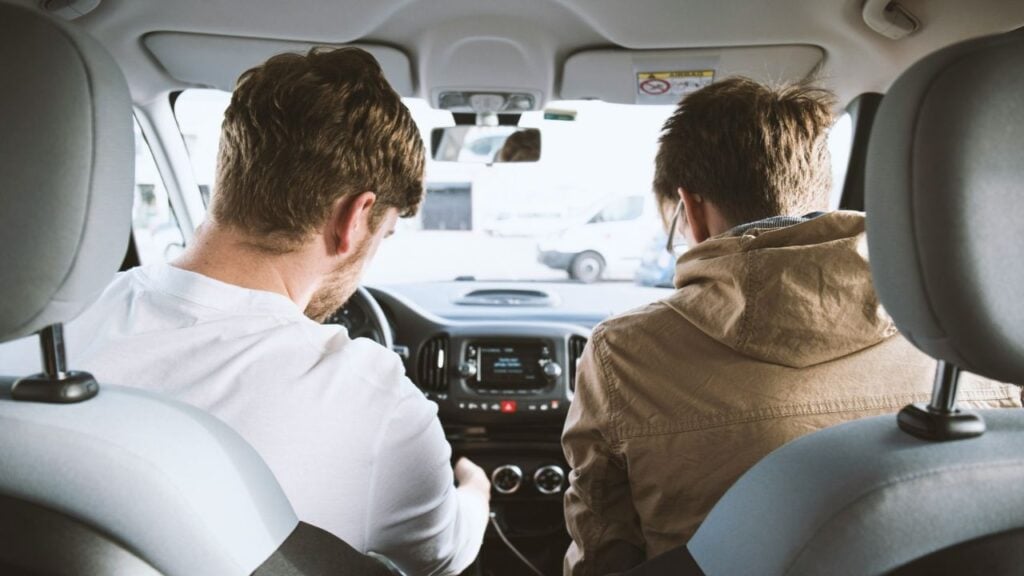
A teenager’s first driving permit is their first opportunity to learn to drive and it comes with a huge responsibility. Before a teenager starts driving, parents need to be clear on the rules, have the car ready and set expectations.
Most states will require a teen to have a learner’s permit card before applying for a driver’s license. The process usually involves an age requirement, a written test, some supervised practice and driving restrictions.
Parents play an important role at this stage. They can help teens build good habits and gain road experience.
1. Learn Your State’s Permit Rules

The permit requirements vary from state to state. Each state has its own age requirements, tests, supervision and practice requirements. Some states also require driver education.
Check your state’s DMV website or motor vehicle agency website before applying. Check who can supervise, the required practice hours and how long the permit must be held. Additionally, check passenger limits and night-driving restrictions.
2. Set Clear Rules With a Driving Agreement

Discuss expectations before the first practice drive. A written parent-teen driving agreement can cover seat belt use, passengers, driving hours, phone use, speeding and where the teen is permitted to drive.
Explain the consequences if your teen breaks the rules. For instance, dangerous driving or using a cell phone while driving may result in suspension of driving privileges for a certain period. Explain that driving is a privilege.
Review the agreement regularly. State law still applies even if your family has set their own, stricter rules.
3. Make Supervised Practice a Priority

Not everyone will be prepared for the road after just a couple of lessons. Drivers must learn how to judge distance, control their speed, check blind spots, and drive safely in traffic.
Begin in a quiet environment like a parking lot or deserted street. Next, drive in busier locations, such as busy streets or highways. Drive in the rain and at dusk as well.
Stay calm and give clear instructions. Adhere to your state’s required practice hours and keep a written log if required.
Parents can also ask the driving instructor where their teen needs more practice. Use that to plan some very short sessions and focus on one thing at a time. Don’t allow a new driver to be out on their own or with an unapproved supervisor.
Check your state’s permit rules prior to each stage of practice. Stop practice if either of you feels tired, upset or distracted at any point today.
4. Keep Phones and Other Distractions Away
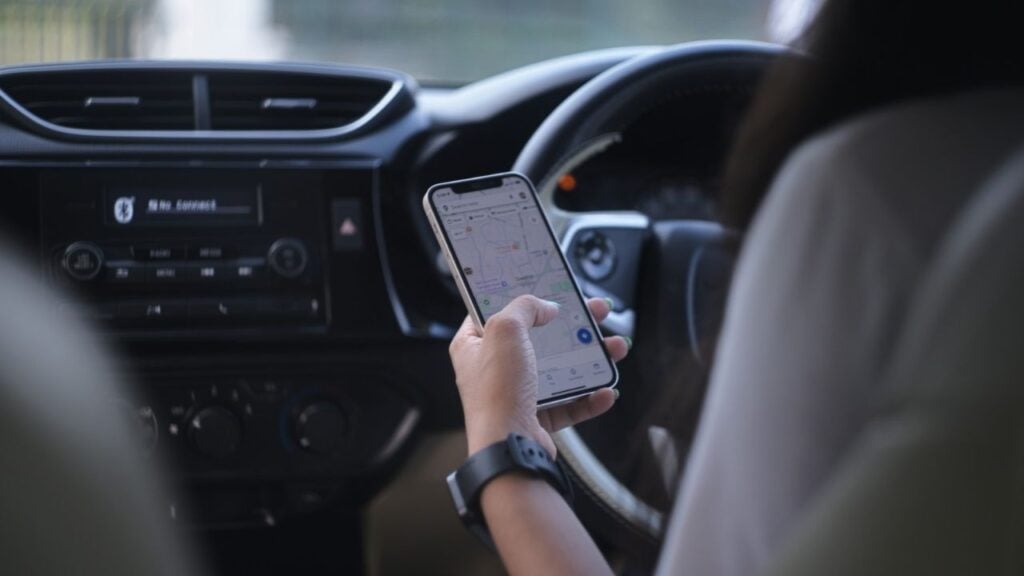
Phone notifications distract drivers. Set a firm rule against texting, scrolling, calling or using any apps while driving. Set the music before you get in the car, and keep the volume down so you can hear traffic.
Don’t call or text your teen when you know they’re driving. Wait until they’re parked.
5. Choose a Safe, Reliable Vehicle

Choose a vehicle in good condition. Check the brakes, tires, lights, mirrors and the windscreen wipers. Check the seatbelts and deal with any warning lights or mechanical issues.
Teach your teenager to adjust the seat, mirrors and the steering wheel. Explain the various dashboard warning lights, headlights, turn signals, defrosters and the emergency controls. Do all of this while the car is parked.
6. Teach Basic Vehicle Care and Costs
Driving also requires car maintenance. Teenagers must learn how to check tire pressure and detect low fluid levels, as well as when an oil change or tire service is needed.
Talk about the costs. Insurance, fuel, repairs and routine maintenance can all add up. If your teenager is going to contribute, agree in advance on how much and on what payment schedule. The costs involved can encourage your teen to take good care of the car.
7. Consider Your Teen’s Readiness

Meeting the legal age doesn’t mean that a teenager is ready to drive. You need to consider whether your teenager follows instructions, manages their emotions, makes considered choices and takes responsibility.
If your teenager has difficulty concentrating or following the rules of the road, give them more time before you move on to independent driving. A bit of extra practice or even a few months’ delay might be all that is required. Just explain clearly what the deficit is.
A learner’s permit is the beginning of the learning phase. With clear rules, plenty of practice and good guidance from parents, teens can develop the skills and judgment they need to become safer drivers.

