
Brainchild
Synopsis:
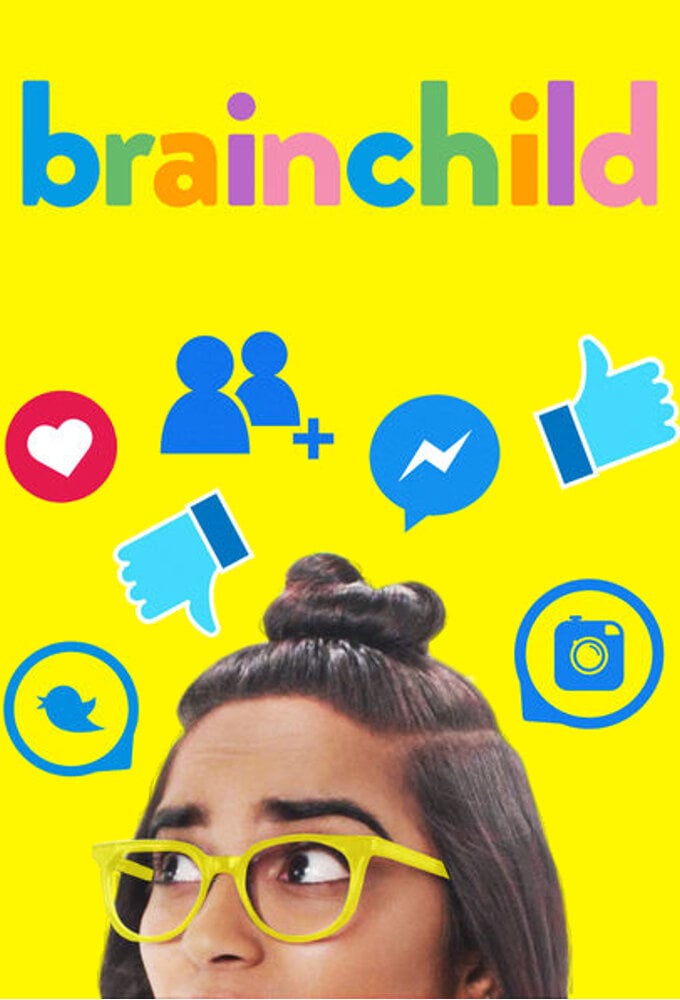
Brainchild is an educational documentary series that makes science accessible and engaging for young viewers by exploring everyday topics through a relatable lens. Hosted by Alie Ward, along with Ben Seidman and Sahana Srinivasan, the show breaks down complex subjects including germs, emotions, and social media in ways that kids can easily understand and connect with. Each episode tackles scientific concepts that directly impact children's daily lives, transforming potentially intimidating topics into fascinating discoveries. The series takes a refreshingly approachable angle to learning, making science feel less like a classroom subject and more like an exciting exploration of the world around us. With thirteen episodes designed to spark curiosity and encourage critical thinking, Brainchild serves as an entertaining resource for families seeking quality educational content that keeps kids engaged while expanding their understanding of how things work.
Where To Watch: Brainchild
Brainchild Reviews From Parents
No written parent reviews yet — be the first!
Parental Feedback
Brainchild presents science concepts through an energetic and engaging format that balances education with entertainment. Parents should expect a fast-paced show that uses humor, demonstrations, and relatable examples to explain complex topics ranging from germs to social media. The tone is upbeat and accessible, designed to make learning feel exciting rather than overwhelming, though the variety of subjects covered means some episodes may resonate more than others depending on your child's interests and curiosity level.
Why Kids Should Watch Brainchild
This documentary series offers valuable educational content presented in an entertaining and age-appropriate way.
The show makes science relatable by connecting abstract concepts to everyday experiences children already understand. Topics like germs, emotions, and social media are explained through demonstrations and real-world examples that help kids see how science affects their daily lives.
Hosts Alie Ward, Ben Seidman, and Sahana Srinivasan bring energy and enthusiasm to each episode, making learning feel like an adventure rather than a lecture. Their engaging presentation style keeps children interested while delivering educational content.
The documentary format exposes children to a wide range of scientific topics across its thirteen episodes, encouraging curiosity and critical thinking. This variety helps kids discover new interests and understand the world around them from multiple perspectives.
The series demonstrates that learning can be fun and accessible, potentially inspiring children to explore science further on their own. The refreshingly relatable approach removes intimidation from complex subjects and makes knowledge feel achievable.
Why Kids Shouldn't Watch Brainchild
While educational, there are some considerations parents should weigh before viewing.
The fast-paced presentation style and quick transitions between concepts may be overwhelming for younger viewers or children who prefer slower, more methodical explanations. Some kids might struggle to absorb information when it's delivered rapidly with multiple visual elements competing for attention.
The breadth of topics covered means not every episode will align with every child's interests or developmental stage. Parents may find some subjects more appropriate or engaging for their particular child than others, requiring selective viewing.
Children who are sensitive or anxious might find certain scientific topics—such as germs or social media—potentially worrying without proper context and parental discussion. The show's matter-of-fact approach may raise questions that require follow-up conversations to prevent misunderstanding or unnecessary concern.
Verdict: Parent Approved
Brainchild is an educational documentary series that successfully makes science accessible and entertaining for young viewers while encouraging curiosity and critical thinking.
What Parents Should Know About Brainchild
| Question | Answer |
|---|---|
| Does this TV Show model positive behavior that my child can understand and repeat? | Yes, the show models curiosity, asking questions, and seeking knowledge through scientific exploration and critical thinking. |
| Does this TV Show include emotional moments my child might find confusing or intense? | The documentary format focuses on education rather than emotional storytelling, though discussions of emotions as a topic may prompt questions from children. |
| Does this TV Show show consequences for unkind or unsafe behavior? | As an educational documentary, the show focuses on explaining scientific concepts rather than depicting behavioral scenarios with consequences. |
| Does this TV Show reinforce helpful social skills like sharing, apologizing, or teamwork? | The show emphasizes collaboration in scientific discovery and demonstrates how asking questions and sharing knowledge benefits everyone. |
| Will my child come away with any clear moral or message? | Yes, children will learn that science is accessible, curiosity is valuable, and understanding the world around them is both important and achievable. |
The Overall Sentiment From Parental Feedback
Parents generally appreciate the educational value and engaging presentation style that makes complex scientific concepts accessible to children. Many families find the show successfully balances entertainment with learning, noting that the hosts' enthusiasm helps maintain children's attention throughout episodes. Some parents mention using the series as a springboard for deeper conversations about the topics covered, while others appreciate having a screen-time option that feels both productive and enjoyable. The documentary's approach to making science relatable has been well-received by families seeking quality educational content that doesn't feel like traditional classroom instruction.
Brainchild Official TV Show Trailer
Why Kids Love Brainchild
Kids are drawn to "Brainchild" because it takes complex scientific concepts and makes them surprisingly accessible. The show tackles everything from germs and emotions to social media, presenting these topics in ways that feel relevant to young viewers' everyday lives.
Hosts Alie Ward, Ben Seidman, and Sahana Srinivasan guide audiences through thirteen episodes of scientific exploration. Their approach transforms potentially dry educational content into engaging material that speaks directly to how kids experience the world around them.
The series excels at breaking down the science behind familiar phenomena in refreshingly relatable terms. Rather than talking down to its audience, "Brainchild" treats young viewers as capable of understanding sophisticated ideas when they're explained clearly and connected to real experiences.
What makes the show particularly appealing is its range of subjects that directly impact kids' daily lives. From understanding how their bodies work to navigating the digital world, the content addresses questions young people actually wonder about, making science feel immediately useful rather than abstract.