
Growing Pains
Synopsis:
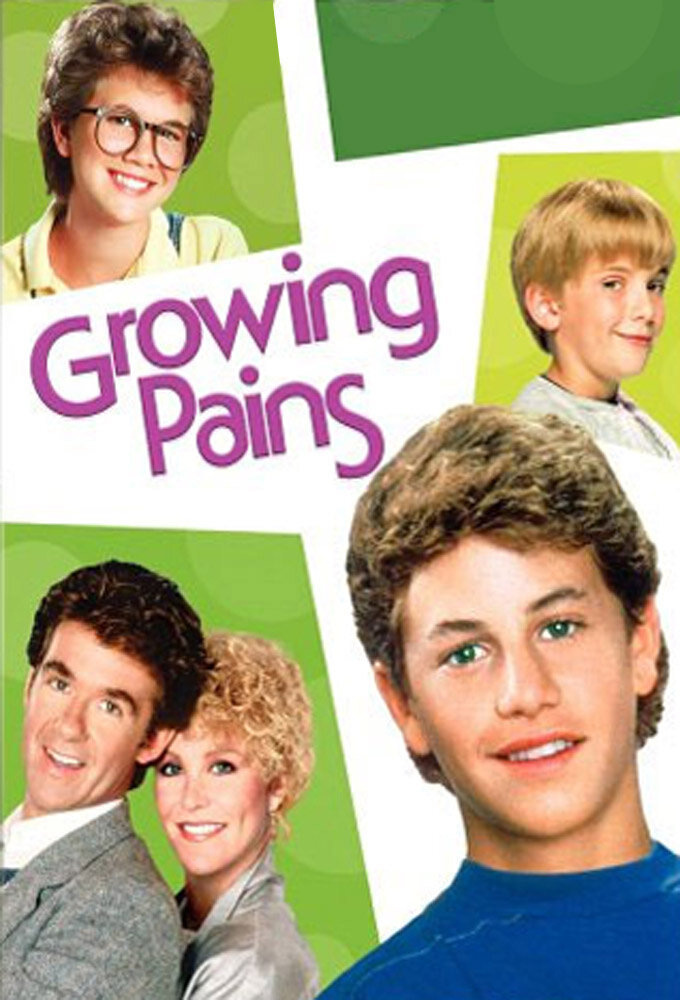
Growing Pains follows the Seaver family as they navigate an unconventional household arrangement where traditional roles are reversed. Jason Seaver, a psychiatrist, takes on the responsibilities of cooking, cleaning, and caring for the children from home, while his wife Maggie pursues her career in journalism after fifteen years as a housewife. The family includes their three children: Mike, the charming oldest son; Carol, the studious middle child; and Ben, the youngest. Later, daughter Chrissy and teen Luke Brower join the household. This comedy explores the everyday challenges and humorous situations that arise as Jason manages his home-based practice while being the primary caregiver, and Maggie balances her professional ambitions with family life. The show offers a lighthearted look at family dynamics, parenting, and the adjustments that come with changing family roles.
Where To Watch: Growing Pains
Growing Pains Reviews From Parents
No written parent reviews yet — be the first!
Parental Feedback
Growing Pains offers a lighthearted, family-friendly viewing experience centered on everyday household challenges and parenting dynamics. The show maintains a gentle, sitcom-style pace with humor that arises from relatable family situations rather than edgy or sophisticated jokes. Parents can expect warm-hearted episodes that tackle common family themes including role reversals, sibling relationships, and the adjustments that come when traditional household responsibilities shift between spouses.
Why Kids Should Watch Growing Pains
This series presents several positive elements that make it suitable for family viewing.
The show models non-traditional family roles in a positive light, demonstrating that fathers can successfully manage household duties while mothers pursue professional careers. This representation helps children understand that family responsibilities can be shared flexibly between parents.
The sibling dynamics between Mike, Carol, Ben, and later Chrissy provide realistic portrayals of brother-sister relationships, including both conflicts and supportive moments. These interactions can help children recognize normal family patterns and healthy ways siblings relate to one another.
The comedy style remains appropriate for younger audiences, relying on situational humor and character-based jokes rather than inappropriate content. Families can watch together without concern about unsuitable material appearing unexpectedly.
The series demonstrates problem-solving within a family context, showing how parents and children work through disagreements and challenges together. This modeling can reinforce the importance of communication and cooperation in family life.
Why Kids Shouldn't Watch Growing Pains
Parents may want to consider a few aspects before viewing with younger children.
Some episodes may include teenage-focused storylines involving dating, peer pressure, or school challenges that younger children might not fully understand or relate to. These themes could go over the heads of elementary-age viewers.
The sitcom format includes a laugh track that tells viewers when something is meant to be funny, which some parents feel can influence how children interpret humor rather than letting them decide for themselves. This may be a consideration for families preferring more natural comedic timing.
With 162 episodes across seven seasons, the show's length and episodic nature means character development and family situations evolve significantly over time. Watching episodes out of order or jumping between seasons might create confusion about character ages and family circumstances.
Verdict: Parent Approved
Growing Pains earns approval as a wholesome family sitcom that presents positive messages about adaptable parenting roles and family cooperation without inappropriate content for its TV-G rating.
What Parents Should Know About Growing Pains
| Question | Answer |
|---|---|
| Does this TV Show model positive behavior that my child can understand and repeat? | Yes, the series consistently shows family members communicating through problems, parents actively involved in their children's lives, and household responsibilities being shared cooperatively. |
| Does this TV Show include emotional moments my child might find confusing or intense? | The show generally maintains a light tone, though some episodes address typical family challenges like disappointments or disagreements that are resolved within the episode's runtime. |
| Does this TV Show show consequences for unkind or unsafe behavior? | Yes, the series typically shows parents addressing misbehavior and children learning from mistakes, reinforcing that actions have consequences within a supportive family environment. |
| Does this TV Show reinforce helpful social skills like sharing, apologizing, or teamwork? | Yes, episodes frequently demonstrate family members apologizing when wrong, working together to solve problems, and supporting one another through various challenges. |
| Will my child come away with any clear moral or message? | Most episodes conclude with clear resolutions that emphasize family values, the importance of communication, and the idea that families can adapt successfully to changing circumstances. |
The Overall Sentiment From Parental Feedback
Parents generally view Growing Pains as a nostalgic, family-safe sitcom that successfully balances entertainment with wholesome values. Many appreciate the show's portrayal of a father taking on domestic responsibilities while the mother pursues her career, seeing it as progressive for its time and still relevant for modern families. The comedy is considered gentle and appropriate across age groups, making it suitable for family viewing without concerns about inappropriate content. Some parents note that while the show addresses typical family issues and teenage challenges, it does so in a way that feels dated compared to contemporary programming, though this doesn't diminish its core messages about family cooperation and love. Overall, feedback suggests the series remains a reliable choice for families seeking lighthearted entertainment with positive role models and clear moral lessons.
Growing Pains Official TV Show Trailer
Why Kids Love Growing Pains
Kids connect with the Seaver siblings—Mike, Carol, Ben, and Chrissy—as they navigate everyday family life with their parents Jason and Maggie. The show captures the funny and awkward moments that happen when brothers and sisters clash, team up, or try to get their way at home.
Mike Seaver often finds himself in situations where he tries to outsmart his psychiatrist father Jason, leading to humorous exchanges. Carol and Ben add their own personalities to the mix, creating relatable sibling dynamics that kids recognize from their own families.
The series presents a household where traditional roles flip—Jason takes on cooking, cleaning, and watching the kids while Maggie pursues her journalism career. This setup creates plenty of silly jokes and situations as the family adjusts to their unconventional arrangement.
Young viewers enjoy watching the Seaver children prove themselves and do things their own way, even when it means standing up to their parents. The show celebrates being unique within a family where everyone has different strengths and approaches to solving problems.