
Zenimation - Rain (S2E1)
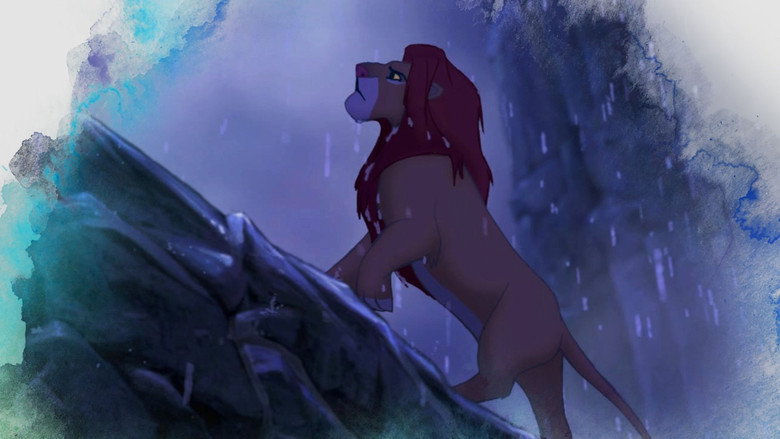
Step into the rain with Simba, Bambi and never-before seen footage from “Raya and the Last Dragon.”
| Runtime (min) | 6 |
|---|---|
| TMDB Rating | 6.0 (1 votes) |
| Air Date | 2021-06-11 |
| Genres | Animation, Family, Sci-Fi & Fantasy |
| TV Rating | TV-PG |
| Network(s) | Disney+ |
Storyline
This six-minute episode of Zenimation focuses entirely on the sensory experience of rain as depicted across several Disney animated films. The episode opens with scenes from The Lion King, where Simba encounters rainfall in the Pride Lands, followed by moments from Bambi that showcase gentle forest rain and the atmospheric sounds of droplets on leaves and forest floors. The visual centerpiece features never-before-seen footage from Raya and the Last Dragon, highlighting the lush, rain-soaked landscapes of Kumandra.
Throughout the episode, viewers are immersed in the ambient soundscape of rainfall without dialogue or music—only the natural audio of water falling, dripping, and pooling. The camera lingers on animated rain effects: individual droplets hitting surfaces, water streaming down leaves, puddles forming, and mist rising from wet ground. The episode creates a meditative atmosphere by allowing each rain sequence to unfold slowly, emphasizing the visual artistry and sound design that bring these animated rainstorms to life.
What parents say
Parents have praised Zenimation as an excellent tool for calming children before bedtime or during moments when quiet focus is needed. Many appreciate that the series strips away dialogue and plot, making it accessible for very young viewers or children who become overstimulated by traditional storytelling. The ambient nature of the show has been noted as particularly helpful for children with sensory processing needs or anxiety.
Some parents use episodes like Rain as background ambiance during homework time or quiet play, finding that the familiar Disney imagery paired with soothing sounds creates a peaceful environment without demanding active attention. Parents on forums have mentioned that the short runtime makes it easy to use as a transitional activity between more stimulating screen time and offline activities.
A few parents have noted that while the series is beautifully produced, children accustomed to fast-paced content may initially find it boring, though many report that kids gradually learn to appreciate the calmer pace with repeated exposure.
What kids learn
This episode offers children an opportunity to practice mindfulness and focused attention by inviting them to notice small details they might otherwise overlook. By stripping away dialogue and music, Rain encourages young viewers to observe how animators create the illusion of water through movement, light, and texture. Children can develop visual literacy skills by noticing how rain looks different in various settings—the way it falls through jungle canopy versus open savanna, or how it interacts with different surfaces.
The episode also provides a gentle introduction to the concept of ambient sound and how audio contributes to atmosphere and mood. Children can learn to identify different rain sounds: the patter of light rain on leaves, the splash of heavy drops hitting puddles, or the steady drumming of a downpour. This auditory awareness can translate to greater appreciation of natural soundscapes in their own environment.
Additionally, Rain models the value of slowing down and finding beauty in everyday natural phenomena. In a media landscape often dominated by constant action and stimulation, this episode demonstrates that there is pleasure and interest to be found in simple observation, potentially fostering patience and contemplative skills that benefit children's emotional regulation and attention span.
Parents' top 5 questions
| Question | Answer |
|---|---|
| Is this episode appropriate for very young children or toddlers? | Yes, this episode is suitable for all ages, including toddlers and preschoolers. The absence of dialogue, plot, or potentially frightening story elements makes it accessible even for the youngest viewers. The gentle rain imagery and soothing sounds create a calming sensory experience without content that requires comprehension or could cause distress. Many parents use it successfully with children as young as one or two years old. |
| Will my child find this episode boring since there's no story or talking? | Children's responses vary based on temperament and viewing habits. Kids accustomed to high-energy programming may initially seem disinterested, while others find the format immediately soothing. Many parents report that children who initially appear bored gradually become more engaged with repeated viewings, learning to notice details and enjoy the calming atmosphere. The short six-minute runtime helps maintain attention even for children new to this style of content. |
| What is the purpose of showing rain scenes without any narrative? | The episode is designed as a mindfulness and relaxation tool rather than traditional entertainment. By removing dialogue and music, it allows children to focus purely on visual and auditory details, creating a meditative viewing experience. This format helps children practice sustained attention, appreciate artistic detail, and experience calming sensory input. Parents often use it for wind-down time, stress relief, or as ambient background during quiet activities. |
| Are there any scary or intense moments in the rain scenes? | No, the episode contains no frightening content. The rain scenes are presented in a peaceful, contemplative manner without storms, lightning, thunder, or distressing situations. Even the footage from various Disney films is carefully selected to showcase gentle rainfall rather than dramatic weather events. The overall tone is consistently calm and soothing throughout the entire six-minute runtime, making it appropriate for sensitive or anxious children. |
| How can I best use this episode with my child? | This episode works well as part of a bedtime routine, a calming transition between activities, or a tool for teaching mindfulness. You might watch together and quietly point out details like how the rain looks on different surfaces, or simply let it play as ambient background. Some parents use it after school to help children decompress, or during quiet time when a child needs to settle down but isn't ready for sleep. |
Writing
Directing
| Season # | Episode # | Episode Name |
|---|---|---|
| 1 | 1 | Explore the seas with Moana, Ariel and Elsa. |
| 1 | 2 | Visit New Orleans, Mt. Olympus, San Fransokyo and Atlantis. |
| 1 | 3 | Discover the world around you with Elsa, Tarzan, and Rapunzel. |
| 1 | 4 | Fly with Aladdin and Jasmine, Baymax and Hiro, and Cody and Marahuté. |
| 1 | 5 | Explore new places with Judy Hopps, baby Moana and Aurora. |
| 1 | 6 | Gaze at the night sky with Tiana, Rapunzel, and Jim Hawkins. |
| 1 | 7 | Take in the beauty of nature with Simba, Pocahontas, and Tarzan. |
| 1 | 8 | Have a moment of calm with Belle, Mulan and Gramma Tala. |
| 1 | 9 | Surf with Lilo, cross the Dark Sea with Elsa, and restore the heart of Te Fiti with Moana. |
| 1 | 10 | Have a laugh with Flash the Sloth, Stitch and Baymax. |
| Season # | Episode # | Episode Name |
|---|---|---|
| 2 | 1 | Step into the rain with Simba, Bambi and never-before seen footage from “Raya and the Last Dragon.” |
| 2 | 2 | Experience the comforts of everyday, morning to night, with Tiana, Anna, and Dumbo. |
| 2 | 3 | The wonders of nature as seen through the eyes of Pocahontas, Mufasa, Alice, and others. |
| 2 | 4 | Witness the power of transformation with Pinocchio, Kida, the Beast, and Te Fiti. |
| 2 | 5 | Enjoy the scenic waterways of Kumandra, Mt. Olympus, Motunui, and Atlantis. |
| 2 | 6 | There is so much greatness in kindness, as we can learn from Moana, Baymax, Aladdin, and Vanellope. |
| 2 | 7 | Enjoy the peace and stillness of snowy days with Bambi, Thumper, Tigger and Rabbit. |
| 2 | 8 | Arendelle, Paris, Kumandra, New Orleans, from forests deep to castles far away. |
This product uses the TMDB API but is not endorsed or certified by TMDB.