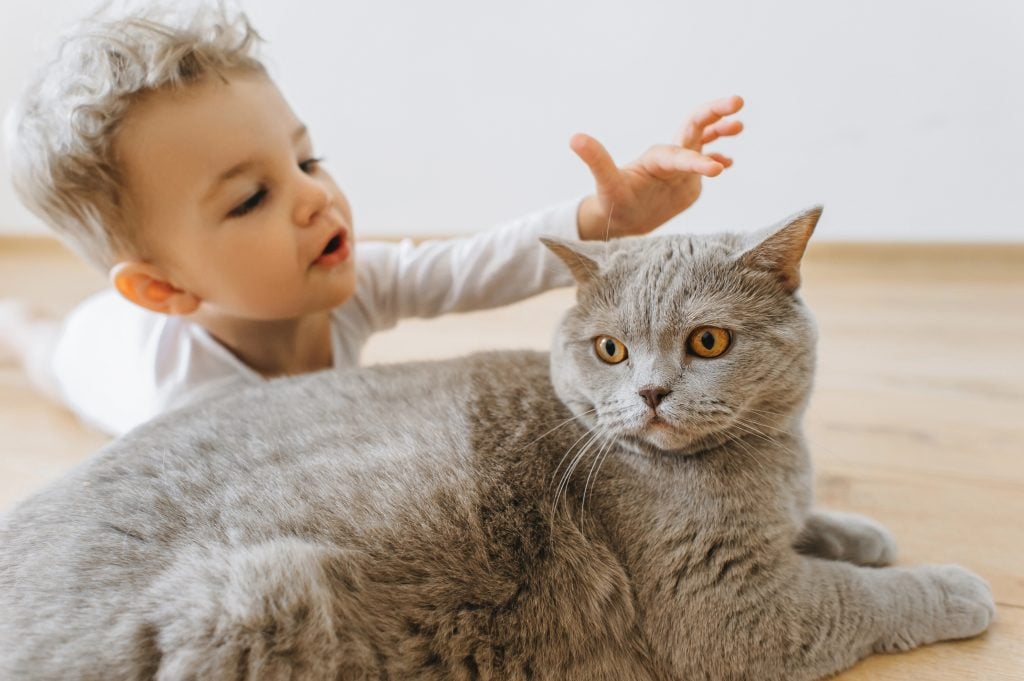
For many families, pets are an extension of the family. Dogs, cats, and just about anything with fur are called “fur babies” and are treated just as gently and lovingly as children. Once babies enter the picture, pets take a slight backseat as the focus is now on the baby. This, of course, doesn’t mean you don’t love your fur baby any less. If anything, your heart doubled in size and is now overflowing with love for your pets and children.
Unfortunately, some babies develop pet allergies, altering a family’s reality. Before you panic or frantically research how to ethically re-home your pet, there are options to keep everyone at home in unity. More importantly, it’s wise to learn why pet allergies popped up in your child and how to treat both your pet and your baby when this happens.
This guide will help families understand why allergies are popping up in their child, the symptoms, the treatments, and what to do if they happen.
What Are Pet Allergies?
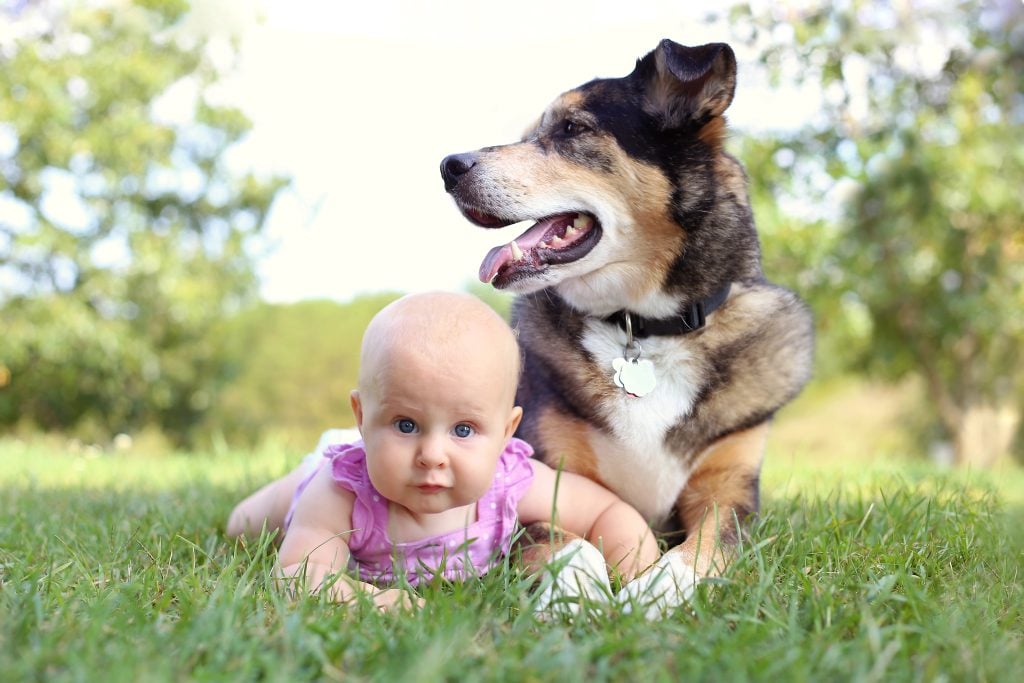
Pet allergies are reactions to proteins in an animal’s saliva, urine, and skin. Once an animal sheds skin cells, those cells become dander, and the protein from the original skin cell is the largest trigger among babies with pets.
Cats and dogs are the largest triggers for babies, as they’re the most common house pets, and they carry the most dander.
All your baby’s young immune system has to do is touch or breathe in that dander, and an allergy can occur. Animal proteins can latch on to furniture, clothing, and just about anywhere the pet frequents.
- Pet allergies are created from the protein found in your pet’s skin, nails, saliva, and beyond.
- Babies are more susceptible to pet allergies because their young immune systems are still maturing.
Can You Prevent Pet Allergies From Occurring?
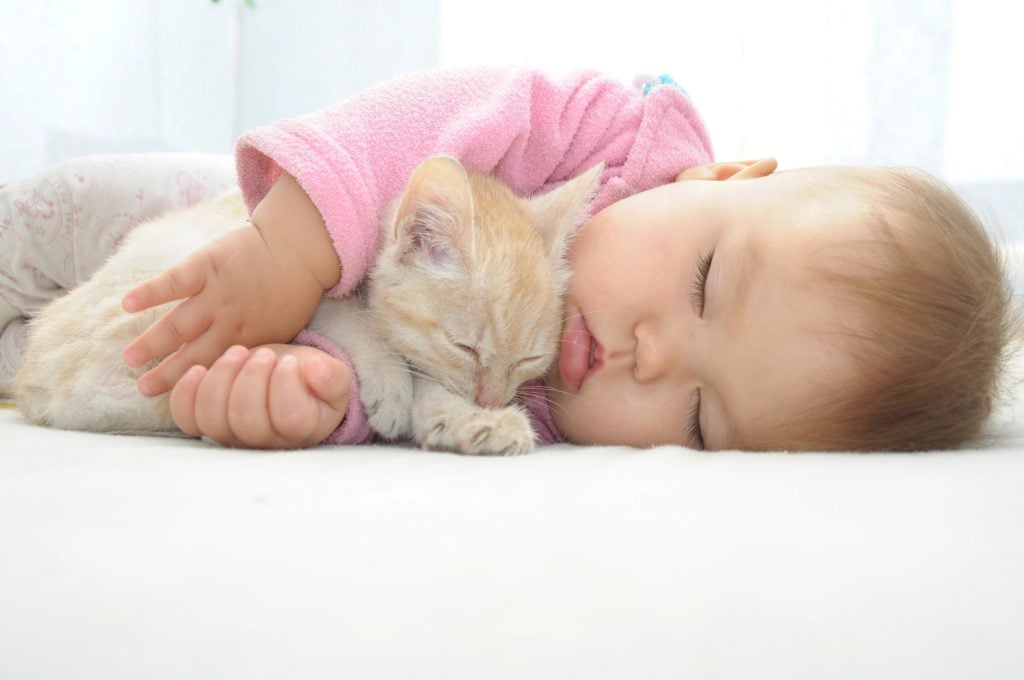
It’s hard to say how to prevent allergies from happening, especially if you’re unaware of what triggers a reaction. If you have pets, it’s hard to avoid the possibility of getting allergies. The only way to fully prevent an allergy to pets at a young age is to have a pet-free home.
If you do have pets and want to limit the chances of your baby picking up an allergy, there are a few things you can do.
You can start by separating your baby and pet. This is hard, especially if you live in a smaller home. Separating your child from their pet is one way to keep possible allergens at bay. And while it’s hard, it also means no hugging or kissing your pets.
To prevent your baby from possibly getting allergies, it’s important to filter the air so it’s not stagnant. Use a high-efficiency particulate air (HEPA) filter to get rid of floating pet particles.
Deep Clean: Consistently deep cleaning your home is necessary to prevent allergies in your baby. This means vacuuming and deep-cleaning surfaces often.
The more allergen buildup there is, the harder it is for their tiny immune system to counter it. Babies spend a lot of time on the floor or on soft furniture, which are susceptible places for allergens to fester. Deep cleaning can help prevent buildup and make it harder for your baby to become infected, but the only true way to prevent allergies is to be pet-free.
When Do Pet Allergies Show Up In Babies?
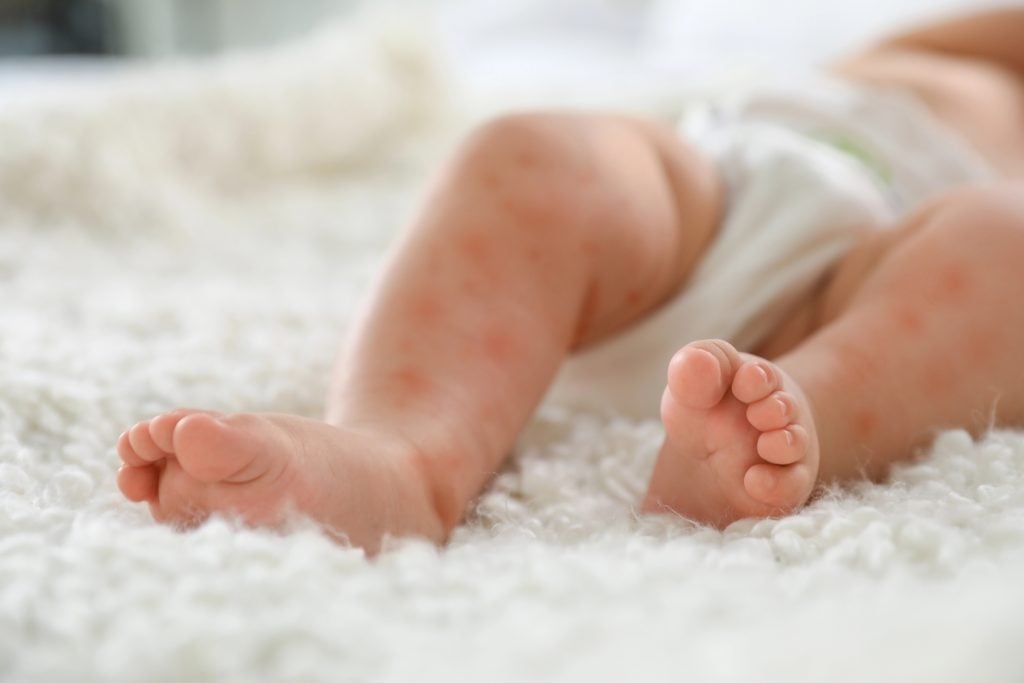
One of the most confusing parts about pet allergies and babies is that a reaction doesn’t always appear right away. Babies usually need repeated exposure before showing symptoms of a pet allergy.
It’s typical for pet allergies not to show up until your baby is six months, and in some children, it can take until they are 2 years old.
Pet Allergy Symptoms (And What To Do)
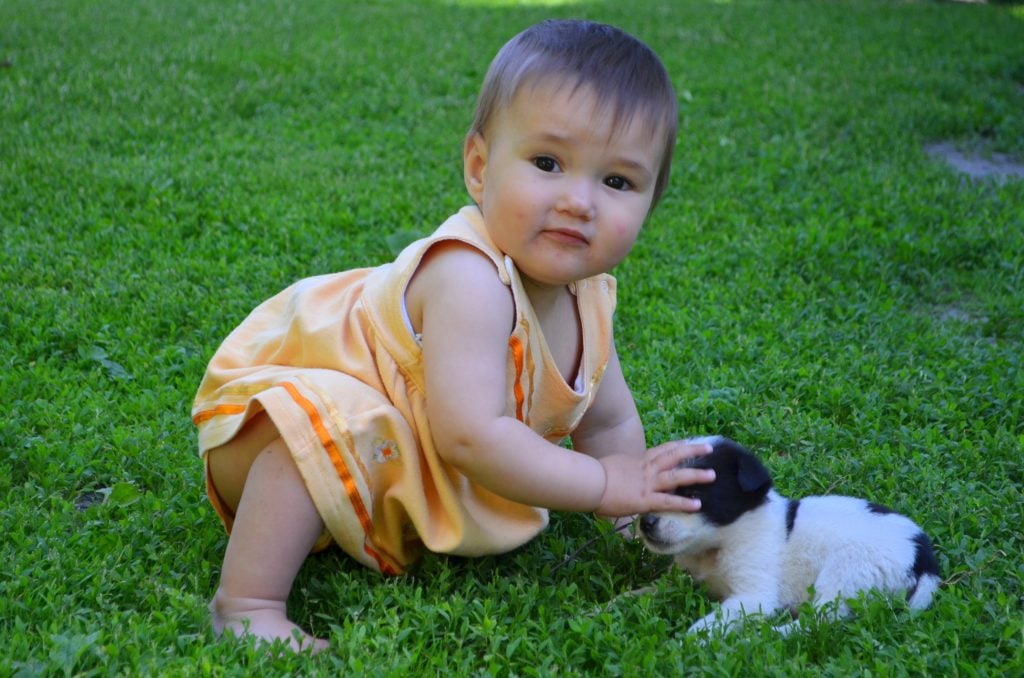
If your baby or toddler is allergic to a pet, a wide range of symptoms will be shown, but it’s important to pay attention to those symptoms and when they occur. Many parents think their baby has a cold, but if the symptoms improve outside the house and away from the pet, they may have a pet allergy.
Some early pet allergy signs in babies and toddlers are:
- Red, itchy, or watery eyes
- Consistent cough that never seems to get better
- A runny or stuffy nose with clear mucus
- Sneezing (specifically around pets)
- Eczema patches
- Fatigue
If you have kids and they’re experiencing any or all of those symptoms, it’s best to test for a pet allergy so you can handle the problem straight on without guessing.
For the most accurate assessment of your baby’s situation, schedule an appointment with an allergist for proper allergy testing. An allergist will perform one or more tests to determine what is affecting your child’s allergies.
Skin Prick Test: The skin prick test is when an allergist pricks your child’s skin with different allergens with the goal of seeing what flares. The allergens could be from animal proteins, dust, or mites. If the skin has any small bumps after 20 minutes, they’re allergic to that specific allergen. The skin prick test can be done as early as six months.
Blood Test: If you don’t choose the prick test for your child, they can do a blood test. The test will show the levels of allergen antibodies in the blood. While the prick test is more accurate, the blood test is a great secondary option.
Component-Resolved Diagnostics: Also called CRD, this test is more detailed and shows which specific proteins trigger a baby’s flare-up. Note that this test is typically performed by specialists.
Elimination Test: This test isn’t necessarily the go-to option for families who see their pets as members of the family. The elimination test requires your baby to be away from your pet for two to four weeks to see if your baby’s symptoms resolve. If they get better while away from your pet (and a deep clean of the home), then they may be allergic to your pet.
Before seeing an allergist, keep detailed notes of your child’s reactions and symptoms. Keep note of any environmental changes, topical additions (new lotions or detergents…), and the presence of pets in your home.
Will Your Child Develop Pet Allergies?
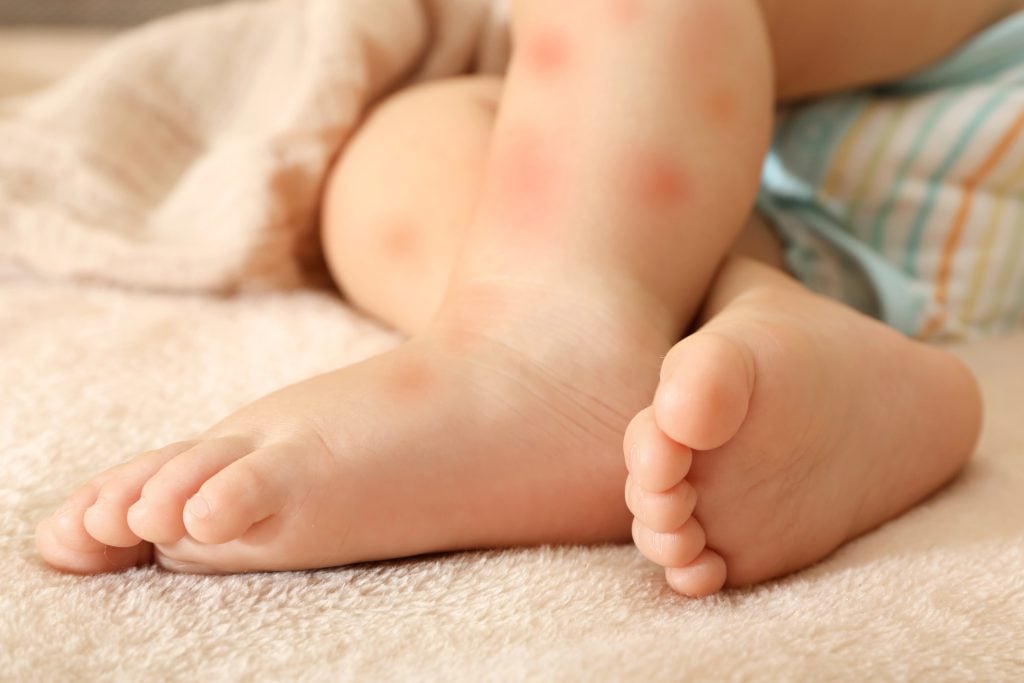
Not every child will develop pet allergies. Some immune systems react differently to pet allergens, and that’s completely normal. Interestingly, pet allergies can come and go. Babies may have pet allergies while they’re young and grow out of them. Meanwhile, some children develop pet allergies as they get older. This is often because their immune systems are still learning about different environmental factors.
Genetics, repeated exposure, and immune shifts are all culprits in the development or elimination of pet allergies. Regardless of age, if your child develops pet allergies, there are a few ways to treat the reactions.
There Are A Few Ways To Treat Pet Allergies
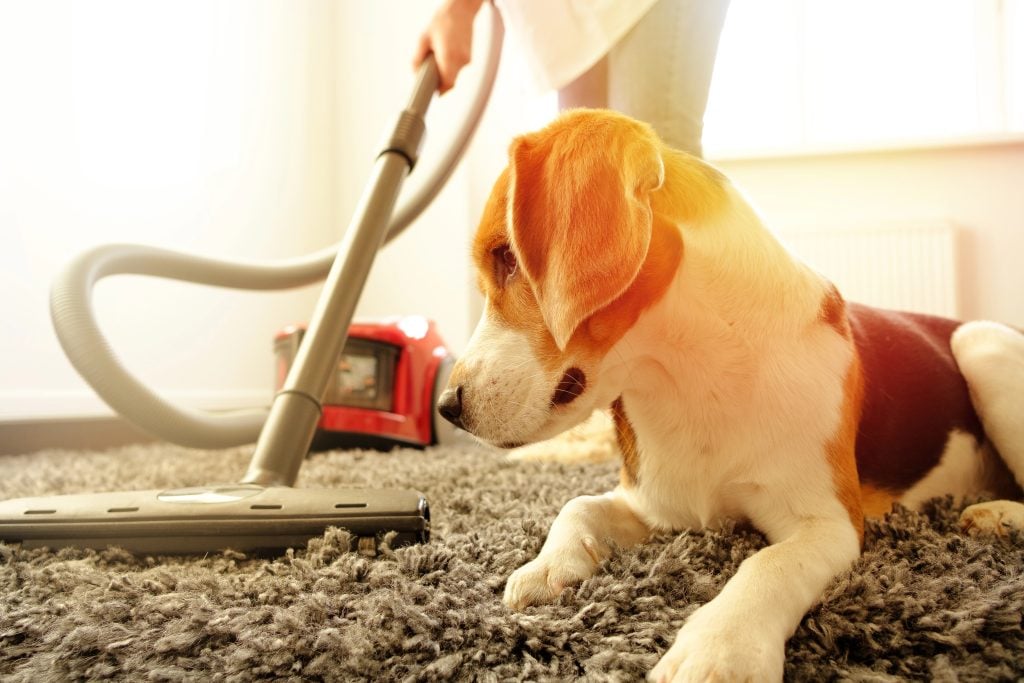
The treatment of your baby’s pet allergies depends on how you want to handle your baby’s involvement with your pet. Some families separate their baby and pet, while others rehome their pet. However, it’s not black and white. There are options for a sensitive situation like this.
Reduce Exposure: Reducing your baby’s exposure to your pet is a great way to limit symptoms. Close the door to your baby’s bedroom or whatever room they sleep in. Grab a HEPA air purifier for each room to eliminate full exposure to pet dander. Regular vacuuming and dusting is another great way to reduce exposure to pet fur.
Cleanliness: If you’re allowing your pets and baby to share the same space, it’s important to wipe down playmats and keep pets from licking your baby’s face. Change and wash clothes often to avoid a buildup of dander.
Medications: Some allergists will prescribe age-appropriate children’s medications or immunotherapy (allergy shots) to help manage triggers. It’s rare for children under 1 year old to be medicated for pet allergies, but toddlers and older children (5+) may be prescribed, depending on the severity. Some kids are given medicated nasal sprays, nasal steroids, lotions, or inhalers to help them live with pets.
Can Babies Outgrow Their Pet Allergy?
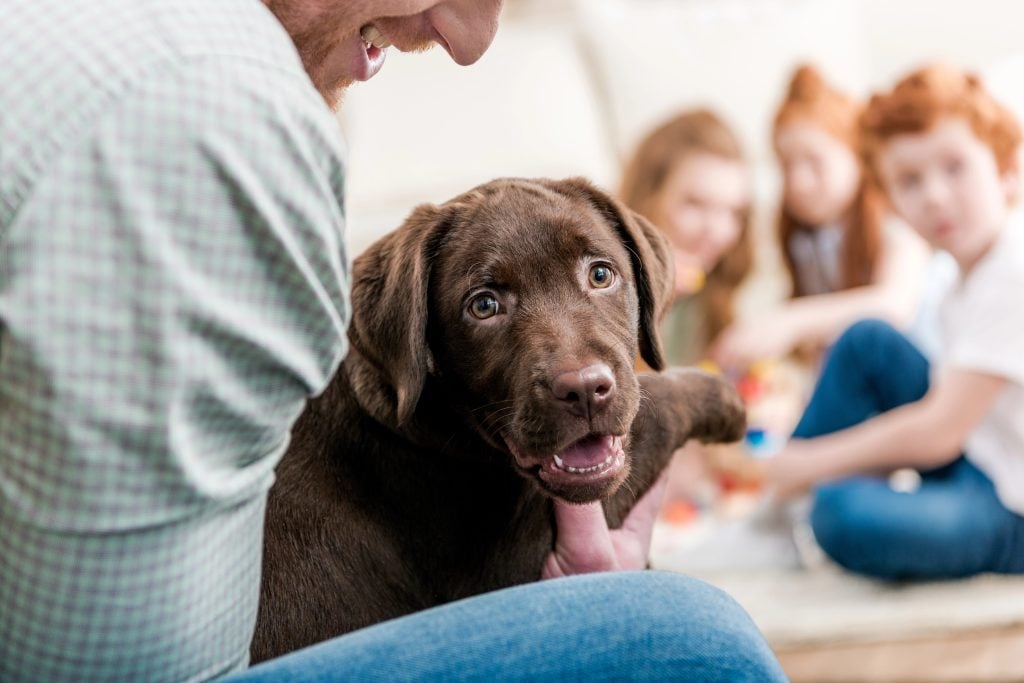
As previously noted, babies, toddlers, and even adults can outgrow a pet allergy. As immune systems grow and mature, previous triggers may not irritate the body as much as they used to. Your baby’s body learns to tolerate the previous stimuli.
You’ll be able to tell if your baby outgrows their allergy by tracking their symptoms.
- Skin flare-ups resolve
- Breathing is smooth, without wheezing
- Medication isn’t needed
- Sleep has improved
- Time with pets isn’t irritating
If your child eventually grows out of their allergy, there are a few things you can do to keep irritants at bay.
- Continue keeping pets out of your baby’s bedroom
- Clean surfaces and floors often
- Continue running the air purifier
- Wash your baby’s hands regularly
- Open windows for fresh air in the home
Your baby being allergic to your pet can be a stressful situation, but it doesn’t mean it’s the end of your time with your pet. With some patience and valuable testing, there can often be positive solutions for the whole family.
The information provided is for educational purposes only. It should not be a replacement for medical care or advice. This info is not intended to diagnose or replace medical treatment. Consult your doctor if you have any questions about pet allergies. If you are experiencing an emergency, contact 911 or arrange for alternative safe transportation to the nearest emergency room.