

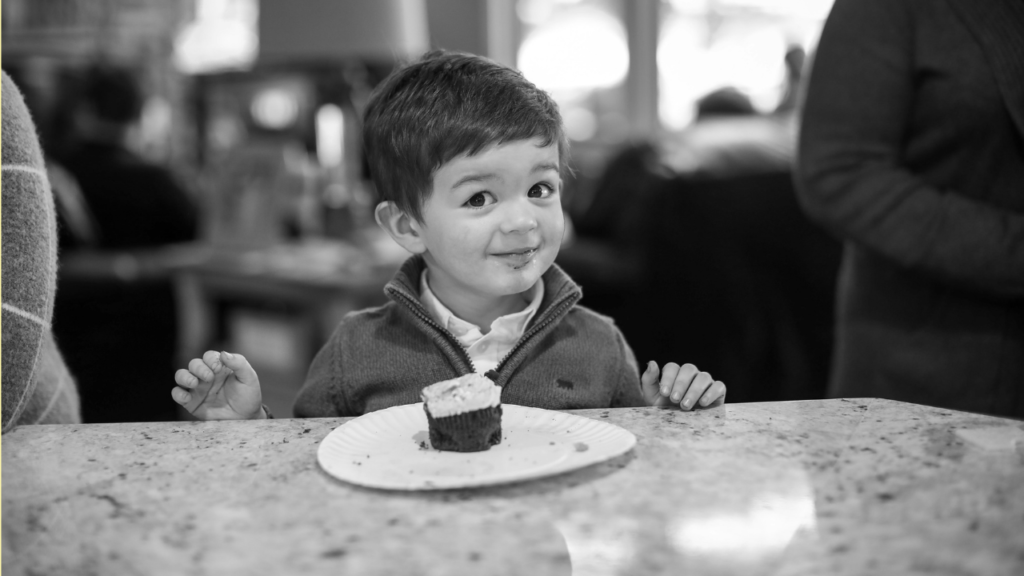
Parents who have ever heard their child insist they are too full for dinner but somehow have room for dessert are familiar with the phenomenon. It turns out there may be a scientific explanation for why children and adults continue craving something sweet even after a satisfying meal.
New research published in November 2026 explores why people can experience cravings for dessert despite feeling physically full. The phenomenon is connected to the brain’s reward system, which responds to highly appealing foods independently of the body’s need for additional calories.
Researchers suggest that sweet foods can activate reward pathways that encourage eating even when hunger has disappeared. This helps explain why children might turn down another serving of vegetables but become enthusiastic when cookies, ice cream or chocolate appear.
Research published in Proceedings of the Nutrition Society distinguishes between food “liking” (how pleasurable something tastes) and food “wanting” (the motivation to eat it). These responses can behave differently after a meal, meaning a child may feel full but still be motivated by the promise of a favorite dessert.
How Parents Can Handle Kids Who Are Obsessed With Dessert
A child’s enthusiasm for sweets is not necessarily a sign of bad eating habits or poor parenting. Registered dietitian Sarah Remmer notes that children have a natural biological preference for sweet flavours, which can become particularly noticeable around ages two and three.
Parents can help by making dessert less of a bargaining tool. Instead of requiring children to finish their vegetables before receiving a treat, families can establish predictable expectations about when sweets are available.
Today’s Parent recommends taking the pressure out of dessert by avoiding food-related negotiations and creating consistent family expectations. Keeping treats available in reasonable portions, rather than making them seem forbidden, can help children develop a more relaxed relationship with sweets.
How to Curb Kids’ Obsession With Sweets and Treats
One of the most important things parents can do is avoid using dessert as a reward for good behavior or eating healthy foods. Remmer explains that “the more frequently parents use food as a reward or punishment, the more likely it is that their children grow to eat for reasons other than physical hunger.”
Parents can also occasionally serve a small treat alongside dinner instead of automatically saving it for afterward. This reduces the idea that dessert is a prize children must earn by eating other foods.
Finally, adults should model a balanced attitude toward sweets themselves. Remmer recommends staying neutral about treats, offering children structured choices and reassuring them that there will be other opportunities to enjoy something sweet.

