

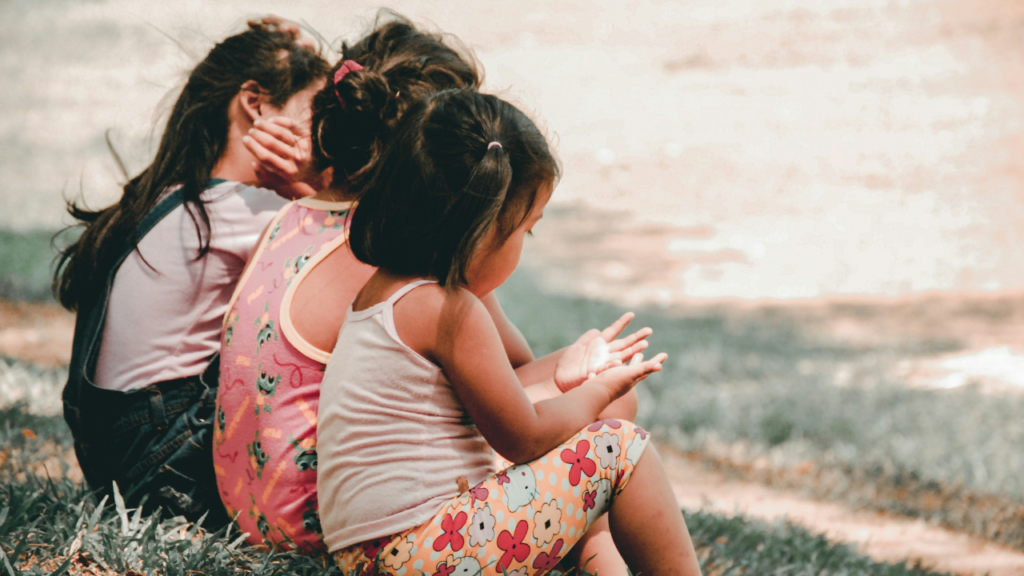
It can be tempting to measure a child’s social life by how many friends they have, how often they’re invited to parties or how popular they seem at school. But when it comes to children’s friendships, having one or two close, supportive friends can matter far more than having a large social circle.
A close friendship gives children something popularity alone cannot: someone they can trust, confide in and count on. Research highlighted in a 9News report emphasizes the importance of meaningful connections over simply being popular.
Having a trusted friend can help children feel accepted and less alone, particularly during difficult school years. A large social circle may look impressive, but it doesn’t necessarily mean a child feels supported or understood.
How Many Friends Does a Child Actually Need?
Parents may worry when their child has only one or two friends, especially when classmates seem to have much larger social circles. However, there is no magic number children need to reach to have a healthy social life.
Psychologist Eileen Kennedy-Moore tells Good Housekeeping, “There’s no magic number.” She explains that some children enjoy larger groups, while others prefer a smaller number of close relationships.
In fact, one or two friendships can give children more time to develop deeper bonds without the pressure of navigating a large group. What matters most is whether those relationships involve kindness, trust and mutual respect—not how many names appear on a birthday-party invitation list.
How Parents Can Help Kids Build Strong Friendships
Parents can help children develop friendships by creating opportunities to spend time with other kids. NewYork-Presbyterian psychologist Dr. Michelle Gorenstein-Holtzman recommends structured playdates for younger children, including board games, arts and crafts or baking together.
Parents can also encourage children to explore activities that match their interests, whether that’s sports, music, science clubs or art programs. Shared interests give kids a natural starting point for conversation and connection.
Most importantly, model kindness, listening and conflict resolution at home. As Dr. Gorenstein-Holtzman puts it, “it’s the quality of friendships that matter, not the quantity.” Parents should also remind children that they don’t have to click with everyone to be liked and valued.

