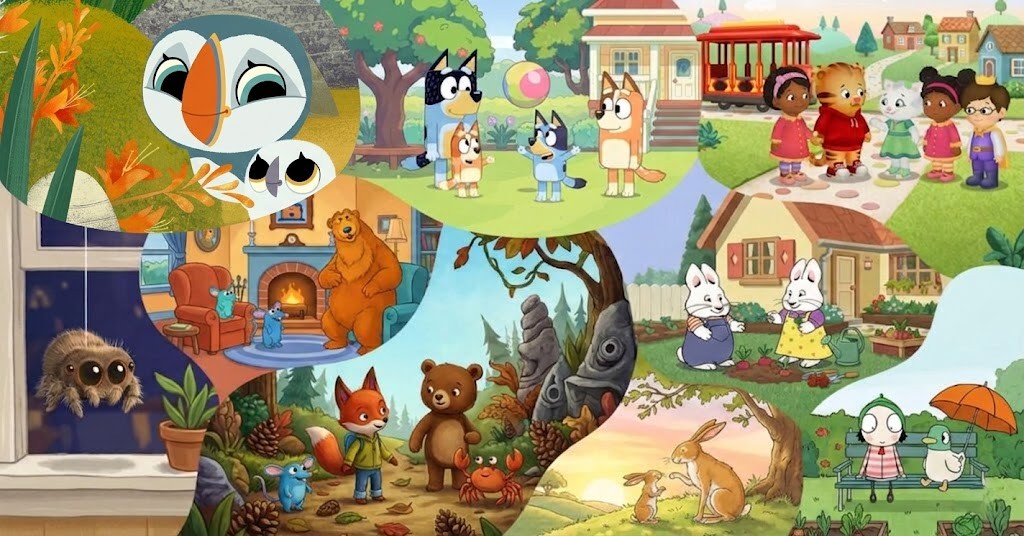
These days, the phrase “overstimulating” is routinely discussed among parent groups, especially among parents of toddlers. With the help of experts and countless studies, parents are realizing that the kinds of television their children watch affect their behavior, mood, sleep, and personality. Even shows and movies directed towards children and young families are not technically safe from dangerous levels of overstimulation.
On the contrary, some shows stay overstimulated on purpose to keep a child’s attention. Being overstimulated can make it hard for a child to regulate their emotions. They may feel apprehensive or tense, making it hard to grasp how they’re feeling (or why they’re feeling a certain type of way).
The conditions that make a series or movie overstimulating are loud music, short scenes (ranging from four to 10 seconds before switching scenes), bright colors, and multiple characters. These things, combined, can make a child anxious and restless without their fully realizing it in the moment.
Luckily, there are some calming, low-stimulating shows that avoid fast-paced scenes and anxious storytelling. Netflix’s Puffin Rock is a remarkable example of a children’s TV series done right. And with more and more parents searching for tranquil, slower-paced shows for their kids, the series is a great place to start.
I’ve included a variety of calming kids’ TV shows to choose from, listed how they help kids regulate emotions, and provided a “where to watch” section so you can quickly find each show on various streaming services.
Puffin Rock
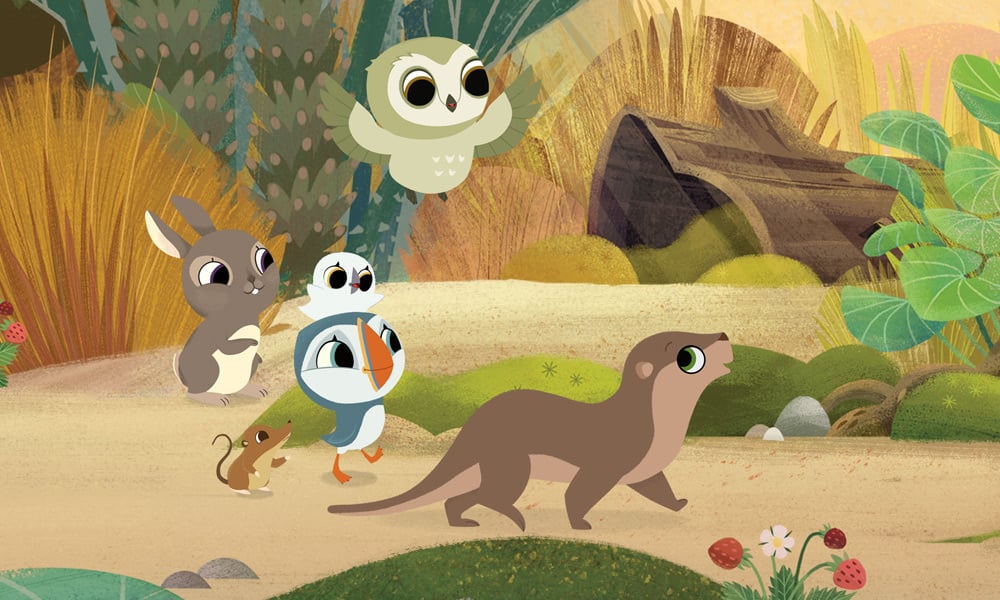
Puffin Rock is an animated series on Netflix that follows two puffins, Oona and Baba. The siblings explore their island off the coast of Ireland, learning about new animals and different habitats, and going on friendly adventures. The pastel colors, slow scenes, and calming music make Puffin Rock a great option for a low-stimulating show.
What Puffin Rock Teaches Kids About Regulating Emotions: The series centers on family, friendships, and nature, with lessons on gentle problem-solving. Oona and Baba routinely express their emotions, which gives them control of whatever situation they’re in. Joining their open emotions is Oona and Baba’s tight-knit bond. The siblings often guide and direct one another, offering assurance when needed.
More importantly, while the characters on Puffin Rock are fearful of the unknown, they remain curious and explore it.
Where to Watch Puffin Rock: Netflix
Bluey
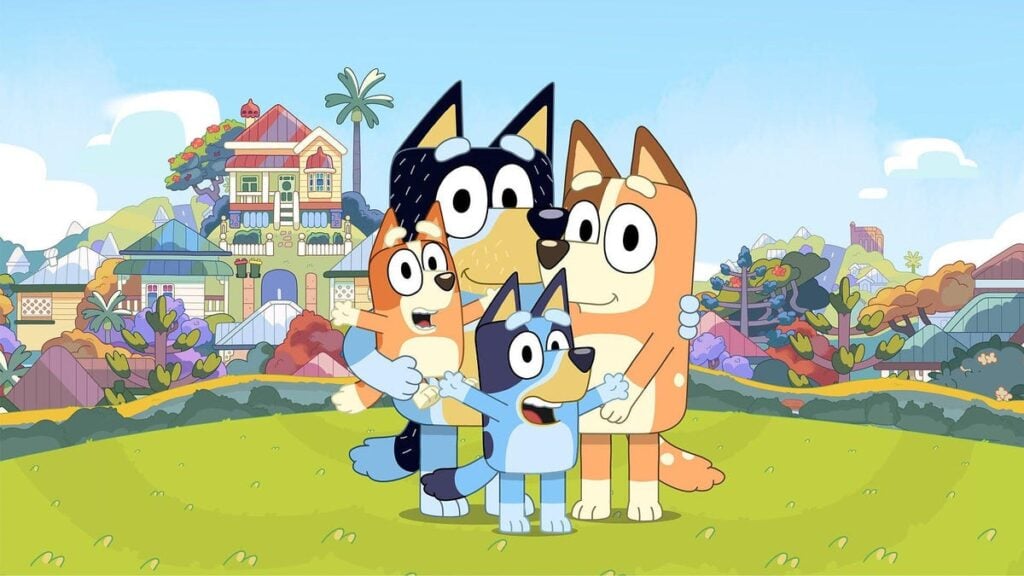
Bluey is one of the most popular animated TV shows worldwide because of its gentle storytelling. The series follows Bluey and her family as they learn through the power of play. With present parents, a playful sister, and entertaining friends and neighbors, Bluey’s world is calming, joyful, and peaceful. The series is so well-executed that adults like watching it as much as kids do.
What Bluey Teaches Kids About Regulating Emotions: Bluey and her sister, Bingo, delightfully learn about their emotions through play. They re-enact real-life situations and learn about what they’re feeling as they go. The sisters have a supportive family life, which contributes to healthy emotional intelligence.
Throughout three seasons, Bluey and her sister learn what boundaries are, how to use their “big girl bark,” how to say goodbye to friends, and more. At its core, Bluey allows the characters to deeply feel and explore their emotions — no matter how intimidating they may seem.
Where to Watch Bluey: The Disney Channel and Disney+
Trash Truck

Trash Truck is an adorable animated series about a young boy named Hank and his best friend, Trash Truck. Hank and Trash Truck go on adventures together, and while the truck doesn’t talk, he’s incredibly supportive and expressive through emotions.
Trash Truck is calming and slow-paced, evoking childhood nostalgia. Hank and Trash Truck go through real-life and imaginary adventures.
What Trash Truck Teaches Kids About Regulating Emotions: Trash Truck subtly shows viewers how to regulate their emotions. Hank and his friends go through ups and downs in real time, before working on whatever emotion Hank’s feeling. The series welcomes viewers to observe each scene peacefully, allowing room to quietly explore emotions.
Where to Watch Trash Truck: Netflix
Daniel Tiger’s Neighborhood
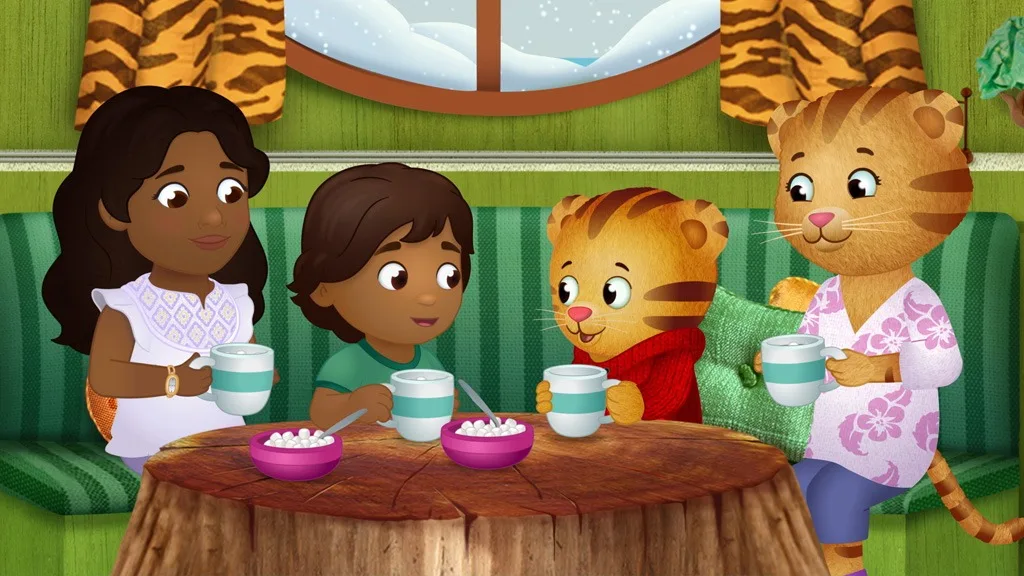
Daniel Tiger’s Neighborhood is a gentle series aimed at preschoolers to help them learn to regulate their emotions, build social skills, and navigate common situations.
Kids follow Daniel Tiger as he explores his neighborhood with family and friends. Every episode follows a common childhood experience, such as going to school, visiting the doctor’s office, and experiencing various emotions. A simple song to follow Daniel’s lesson is sung in each episode, keeping kids engaged in a fun way.
What Daniel Tiger’s Neighborhood Teaches Kids About Regulating Emotions: Because Daniel is trying new things and exploring different childhood experiences, he walks through his emotions in real-time. He realizes that trying new foods could mean he’ll like them; he discovers that taking deep breaths when overwhelmed can calm him, etc. Identifying feelings and understanding empathy is a big part of the series that kids can learn from.
Where to Watch Daniel Tiger’s Neighborhood: PBS
Little Bear
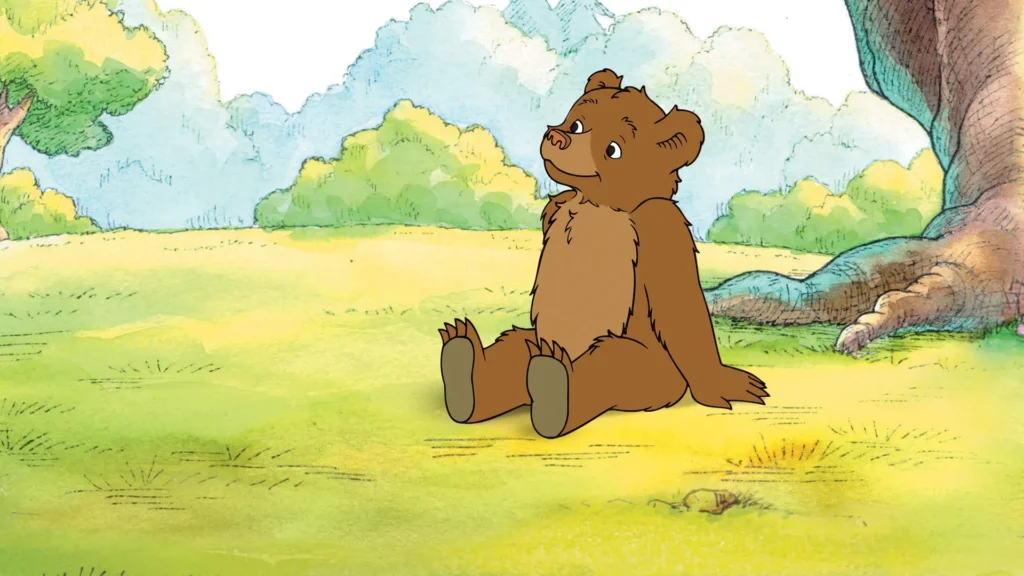
The animated series Little Bear is gaining traction because of its illustration style. Based on the stories written by Else Holmelund, Little Bear follows the curious cub as he explores with his forest friends. Little Bear also has a human friend named Emily, with whom he enjoys sharing experiences.
Because the series was created in the ’90s, it’s low-stimuli and focuses on relatable childhood moments like playing pretend, exploring nature, visiting family, and making friends. Like many children, Little Bear spends much of his playtime in his imagination. It’s adorable, easy to follow, and a peaceful show to have in the background.
What Little Bear Teaches Kids About Regulating Emotions: Because of the long scenes and dated animation, the series is slow-moving and calming to watch. These underrated additions allow children to watch, learn, and adapt. Kids learn through play, they find out friendships can be repaired, and that they can take time with their feelings.
Where to Watch Little Bear: Disney+
Blue’s Clues
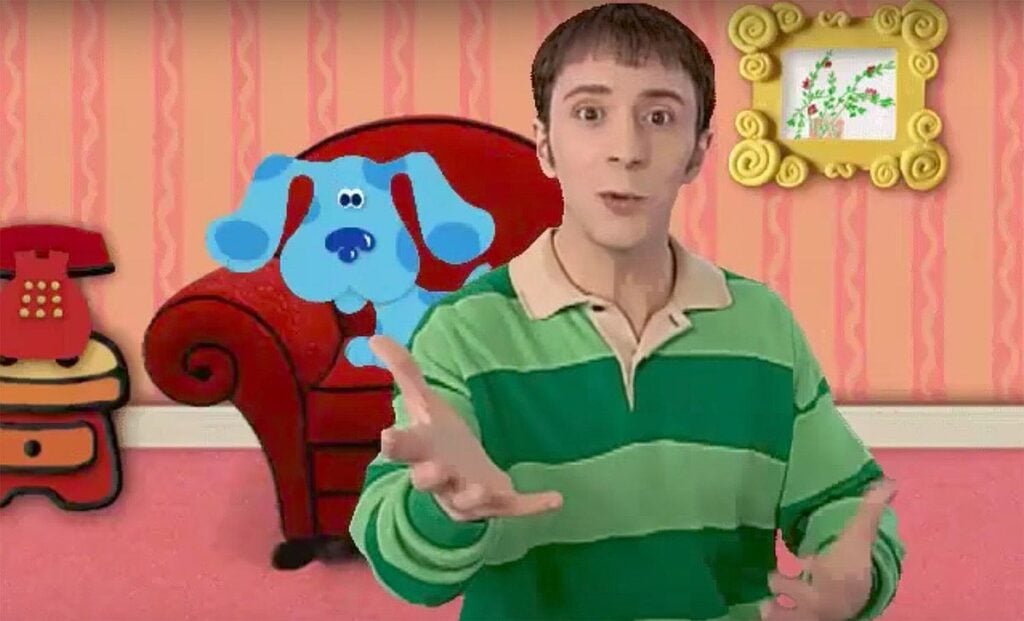
Blue’s Clues is intentionally low-stimulating to give kids time to think about the prompted clues. In the original series, a human named Steve welcomes his young audience to his home with his animated dog, Blue. Each episode has Steve on a mission to find something, but he needs Blue’s help to find the clues. Steve asks the audience questions throughout each episode until he finds what he’s looking for. It’s slow-paced, interactive, and one of the simplest TV shows on this list.
What Blue’s Clues Teaches Kids About Regulating Emotions: The calm series doesn’t have flashy characters, music, or animation. Blue’s Clues has a simple format that allows kids to learn, think, and participate in real-time. Steve asks the audience a question and pauses to “hear” the answer. Doing this allows kids to think about the question and answer when they’re ready. Because the show’s format is relatively consistent across episodes, kids know what to expect, which helps regulate their nervous systems.
Where to Watch Blue’s Clues: Paramount+
Also, be sure to check out Blue’s Clues & You! for a more modern take on the series.
Bear In The Big Blue House
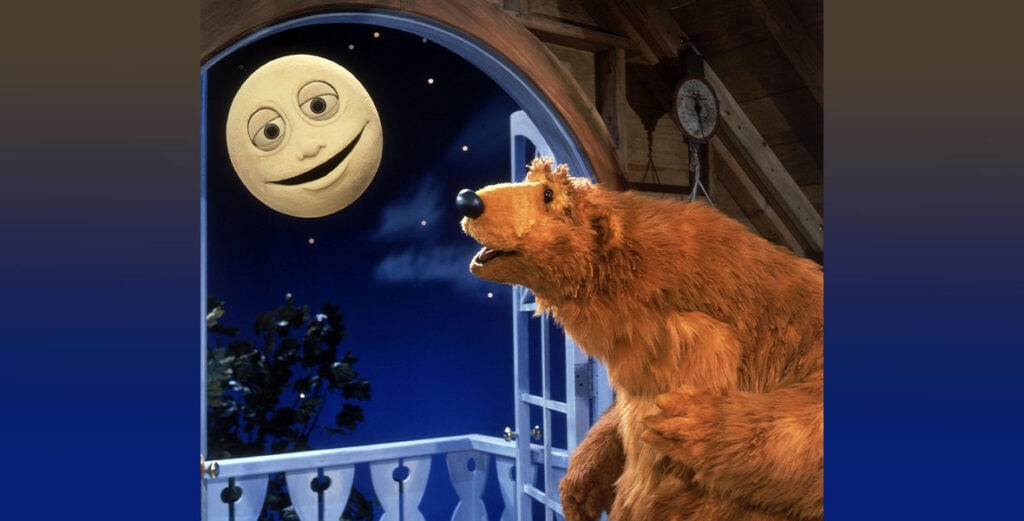
The late ’90s TV show, Bear in the Big Blue House, is a fresh take on interactive TV. The series is set in a studio with puppets and animal costumes, following Bear and his magical house. Bear talks to the camera and shows viewers his house and all of his cool friends who live there. There’s music, silly humor, and a lot of room for imagination.
What Bear in the Big Blue House Teaches Kids About Regulating Emotions: Bear’s direct communication and cozy house help kids feel safe when watching (furthering a smooth nervous system). Bear reminds kids that it’s okay to feel emotions as he talks through how he and his friends feel. Routines also run rampant in Bear in the Big Blue House, creating a calm nervous system as kids know what to expect next. Because the characters are puppets, the series is incredibly low-stimuli and peaceful to watch.
Where to Watch Bear in the Big Blue House: Disney+
Lucas The Spider
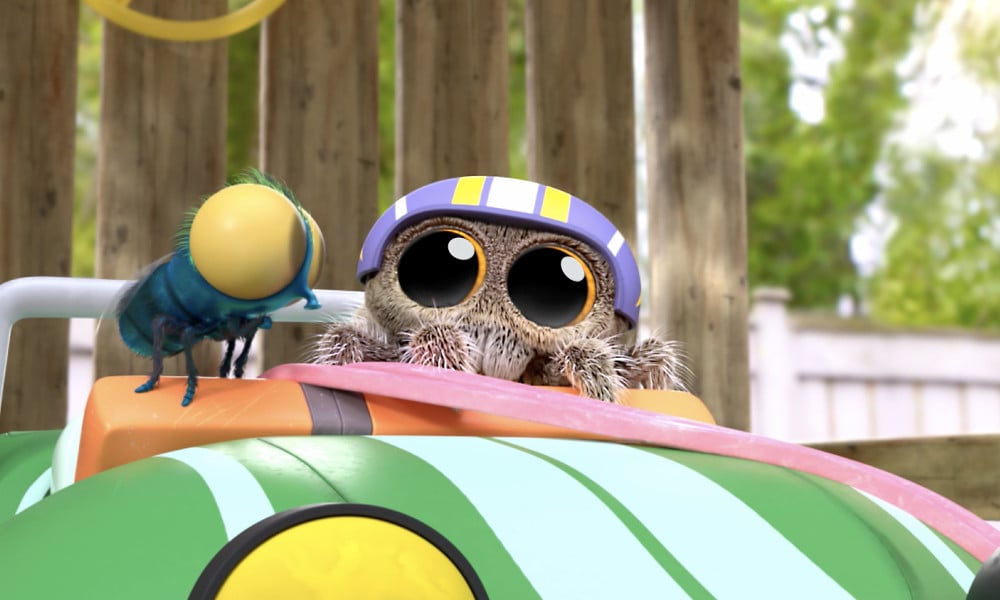
Lucas the Spider follows an adorable jumping spider named Lucas. Lucas’ world is inside a numan’s house, where he has a fly, a dog, and an owl as best friends. The episodes are both educational and silly, but also offer a touch of whimsy to the life of a spider. Lucas may be a fuzzy spider with multiple eyes, but he proves that life is better when living positively and fearlessly.
What Lucas the Spider Teaches Kids About Regulating Emotions: Lucas proves that size doesn’t matter, and you can do anything that you put your mind to. Lucas encourages others to pursue their curiosity rather than letting fear keep them home. Positivity is an important aspect of emotion regulation, especially when paired with gentle scenes, soft music, and relatable storylines. Basic emotions are taught with kindness at the forefront. Regardless of the problem, Lucas always has a safe solution.
Where to Watch Lucas the Spider: Netflix
Tumble Leaf
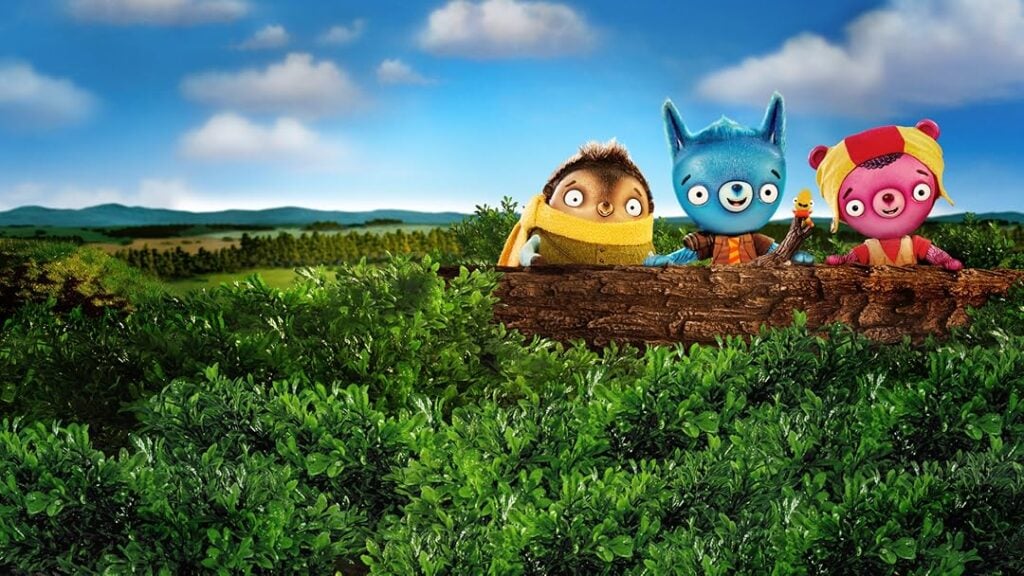
Tumble Leaf is a problem-solving animated series that follows Fig the fox. Fig lives on Tumble Leaf Island and regularly finds unique objects washed up on the beach. Using problem-solving skills and a healthy curiosity, Fig learns what each object is through play. With Fig, an adventure is always had.
What Tumble Leaf Teaches Kids About Regulating Emotions: Curiosity, patience, play, and problem-solving are all amazing things that Tumble Leaf teaches that help regulate emotions. It’s low-stimulating and encourages kids to calm their emotions before sorting out how they’re feeling. Fix may feel frustrated, but he takes a moment to figure out why and what he can do to feel better. On every adventure, Fig makes it known that it’s okay to not have an answer, but to allow curiosity to help you find one.
Where to Watch Tumble Leaf: Amazon Prime Video
Max and Ruby
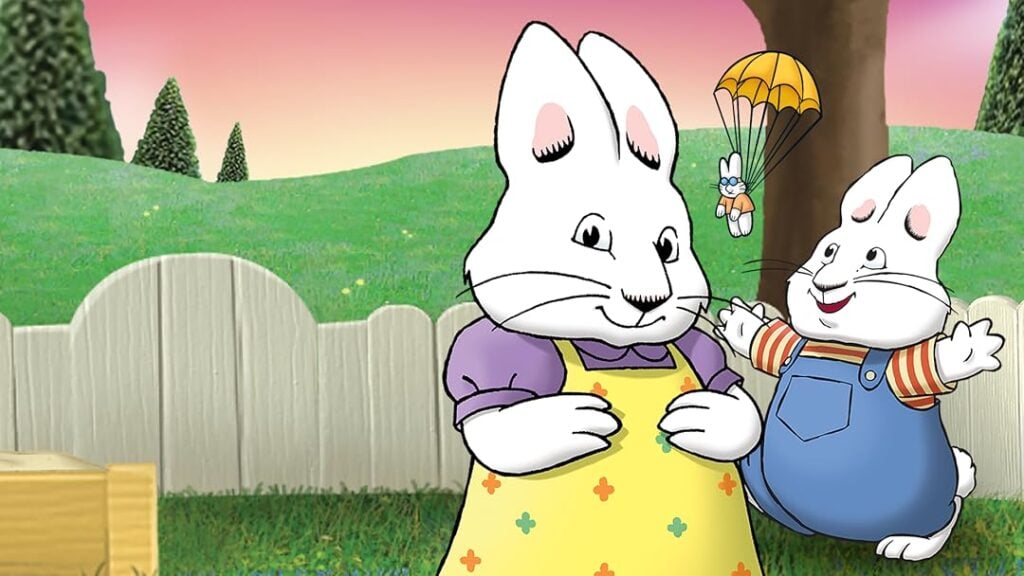
Max and Ruby are two lovable rabbits and siblings who learn through independence. The two lean on each other for patience, fun, and daily tasks. As Max’s older sister, Ruby often learns patience, understanding, and independence through caring for Max. She talks through her emotions and finds a resolution at the end of every episode (with a few giggles from messy Max).
What Max and Ruby Teach Kids About Regulating Emotions: Because Max and Ruby are siblings, they offer a unique perspective on regulating emotions, especially when sibling rivalry is inevitable. With the two rabbits being of different ages, viewers learn that siblings can handle situations differently and feel emotions differently. Patience is a major form of regulation, and Max tests Ruby’s patience from time to time. Luckily, flexibility can lead to understanding (and a calmer nervous system).
Where to Watch Max and Ruby: Paramount+
Sarah And Duck
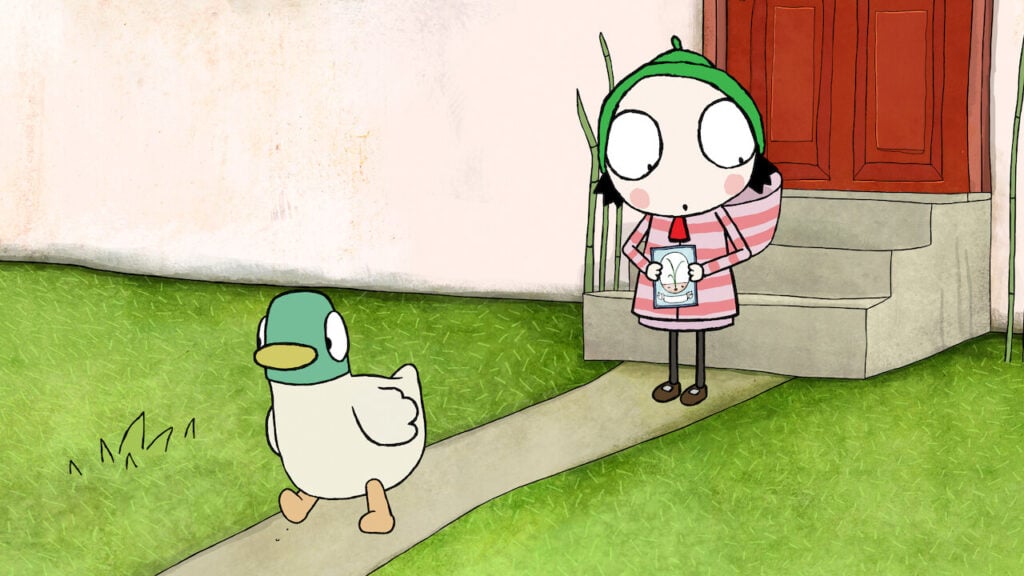
Sarah and Duck is a quirky animated series that follows 7-year-old Sarah and her pet duck. In each episode, the two go on an adventure around their neighborhood and often face the highs and lows common in childhood (like visiting the playground or the library). Through playing, Sarah learns to problem-solve and to dive into her imagination.
What Sarah and Duck Teach Kids About Regulating Emotions: With long scenes and soft humor, Sarah and Duck teach kids to stay calm when things seem scary, to be curious instead of frustrated, and to find comfort in a routine. Sarah takes her time resolving issues when they arise. She shows audiences that there’s no rush and to face problems calmly. Sarah and Duck accept those for who they are, which reduces stress since she’s not trying to alter someone’s personality.
Where to Watch Sarah and Duck: Amazon Prime Video
Guess How Much I Love You
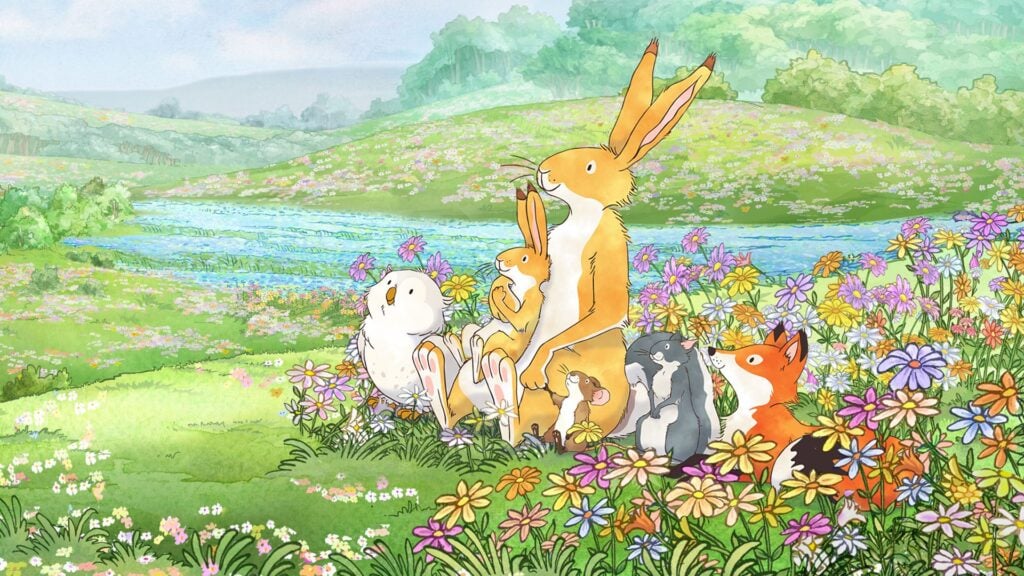
Guess How Much I Love You is an underrated animated show based on the book by Sam McBratney. The series follows Little Nutbrown Hare and Big Nutbrown Hare as they try to show each other how much they love one another. The two try to outdo one another in their love for one another while exploring the world. With nature as the primary setting, the scenes are tranquil and feature pastel colors. The hares show love and support for each other as they embark on countless adventures.
What Guess How Much I Love You Teaches Kids About Regulating Emotions: With attachment-parenting as Big Nutbrown Hare’s parenting style, the pair feel understood, supported, and safe with each other. The series is quiet, slow, and never-rushed. Kids learn about big emotions in a gentle and understanding way. The slower pace of the series allows young viewers to process their emotions.
Where to Watch Guess How Much I Love You: Tubi