

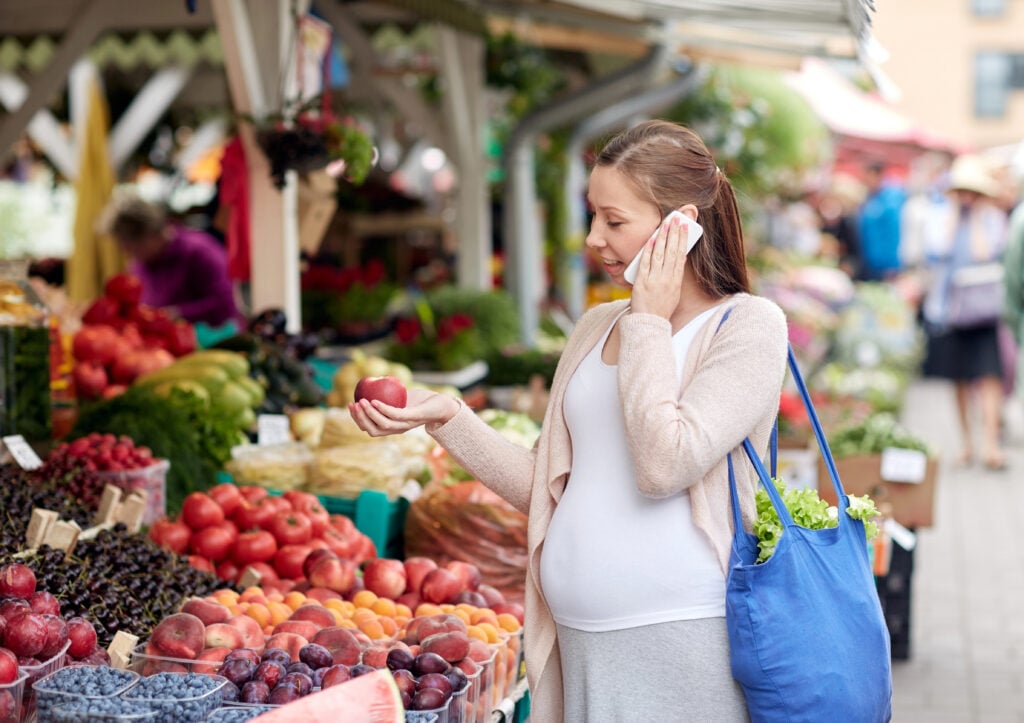
The eternal struggle to get kids to eat their vegetables starts earlier than you think.
What a pregnant mother eats may do more than nourish her own body. A new study from Durham University suggests that children who were exposed to vegetable flavors in the womb are less likely to reject those same vegetables years later, offering a compelling reason for expectant parents to load up on greens well before their baby takes a first bite of solid food.
The finding arrives at a critical moment. Federal dietary guidelines call for children aged 1 to 5 to eat vegetables every single day, yet national data show that the majority of young kids fall far short of that goal.
The research, published in the journal Developmental Psychobiology, followed the same group of children across three distinct stages: fetal ultrasound, approximately three weeks after birth, and again at age three. Pregnant participants took either carrot powder or kale powder capsules as part of a controlled protocol.
Researchers then measured the toddlers’ facial reactions to the smell of each vegetable. According to the Medical Xpress report on the study, children reacted less negatively to familiar vegetable scents, with those whose mothers had taken carrot capsules showing fewer negative expressions toward carrot smell, and those exposed to kale in utero responding more calmly to kale’s bitter scent.
As the Medical Xpress summary of the findings put it, “Experiencing bitter or non-bitter flavors before birth can shape taste likes or dislikes after being born,” according to the Durham University research team.
The researchers noted that additional work would be needed to confirm whether these more favorable facial responses translate directly into greater vegetable consumption at the dinner table.
The study is notable for its longitudinal design. Rather than measuring a single moment in time, the team tracked chemosensory memory from the prenatal period through early childhood, suggesting that flavor impressions formed in the womb can be surprisingly durable.
Why So Many Children Still Aren’t Eating Their Vegetables
The Durham findings take on added weight when placed alongside a troubling national picture. A CDC analysis of 2021 National Survey of Children’s Health data found that nearly half of children aged 1 to 5 skipped daily vegetables entirely. Across 20 states, a majority of young children failed to consume any vegetables on a typical weekday during the survey period.
The gap between states was striking: Vermont had the lowest rate of children missing daily vegetables, at 30.4 percent, while Louisiana had the highest, at 64.3 percent. Sugar-sweetened beverages compounded the problem, with children in 40 states and the District of Columbia regularly consuming them at least once a week, representing more than half of kids in each state.
More recent data offer little reassurance. A 2026 study tracking national trends in fruit and vegetable intake from 2021 to 2023, drawing on three consecutive years of the National Survey of Children’s Health, found no meaningful shift in daily vegetable consumption at the national level or by age group.
A handful of states showed gains in daily fruit intake, including Connecticut, Illinois, and Montana, while Massachusetts saw a significant decline. For vegetables specifically, no state recorded a statistically significant improvement over that two-year window.
Kristin J. Marks, PhD, MPH, of the CDC’s Division of Nutrition, Physical Activity, and Obesity, put it plainly in the PMC study: “Lack of improvement in daily fruit and vegetable intake among young children emphasizes the continued need for monitoring and evidence-based interventions.”
How Much Do Children Actually Need?
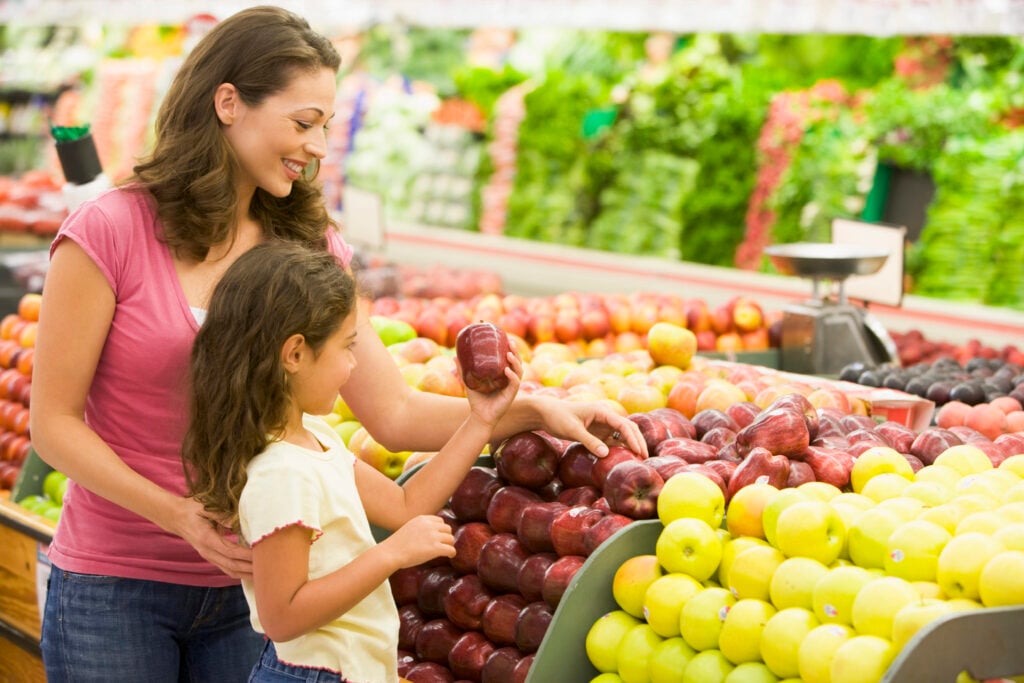
The stakes behind these numbers are real. According to nutrition guidance on daily vegetable needs for young children, most kids need between 1 and 3 cups of vegetables each day, an amount that provides the vitamins, minerals, and fiber essential for healthy growth, cognitive development, and lasting physical well-being.
Consistently falling short of that range during the early years can set children on a trajectory toward poor dietary habits that persist well into adulthood. Research has long established that food preferences formed in early childhood tend to stick, which is precisely why the Durham findings matter so much to parents who are currently pregnant or planning a family.
For parents navigating the early years, understanding how pregnancy choices affect long-term child health is increasingly important, and prenatal diet is emerging as one of the most accessible levers available.
What This Means For Pregnant Parents
The practical takeaway from the Durham research is straightforward: eating a variety of vegetables during pregnancy, particularly in the later stages, may give your child a sensory head start on accepting those same foods after birth.
The study focused on capsule-based exposure in a controlled setting, but the underlying mechanism, that flavor compounds pass through amniotic fluid and register with the developing fetus, applies to dietary intake as well.
Parents who are already in the thick of feeding a picky toddler may find it useful to know that repeated, low-pressure exposure to vegetables remains one of the most evidence-backed strategies for broadening a young child’s palate, even without the prenatal advantage.
Pairing vegetables with familiar flavors, offering them consistently without pressure, and modeling enjoyment at the table all support the same goal the Durham researchers were measuring: reducing the instinctive rejection response that makes mealtime a battle in so many households.
What stands out about this body of research is how early the window for influence actually opens. Most conversations about children’s nutrition focus on what happens after birth, at the high chair, or in the school cafeteria.
But the Durham study, combined with the sobering national data on how few young children are eating vegetables at all, suggests that the prenatal period deserves far more attention as a starting point for lifelong healthy eating.
For expectant parents, that is genuinely good news: one of the most powerful things you can do for your child’s future diet may simply be eating well yourself.

