

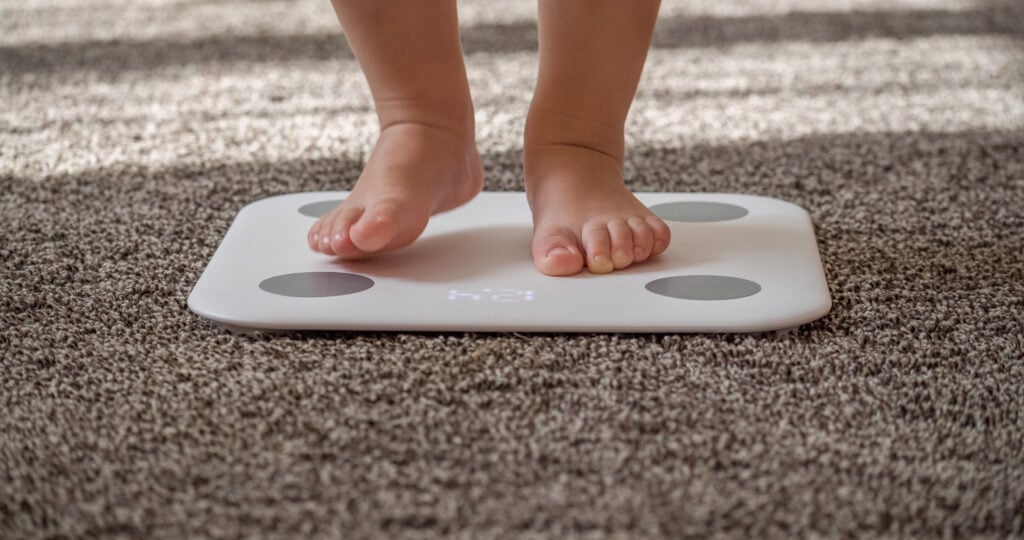
When it comes to weight-related teasing, new research suggests the source of those comments matters enormously, and children may face the greatest harm when hurtful body-focused remarks come from their own mothers. A study highlighted by maternal weight teasing and child wellbeing found that while family teasing about weight is common, the impact is measurably worse when a mother is the one making those comments.
According to the CDC, roughly one in five American children currently lives with obesity, a condition associated with elevated risks across multiple health domains, from respiratory issues like asthma and sleep apnea to metabolic conditions such as type 2 diabetes and high blood pressure, as well as mental health challenges like depression and anxiety.
Children who carry excess weight into adulthood face even steeper odds, with elevated risks for stroke, heart disease, several types of cancer, and premature death. The stakes, in other words, are high, and how parents talk about weight at home is part of the equation.
Why A Mother’s Voice Carries So Much Weight
The mother-child relationship is among the most formative bonds in a child’s development, which may be precisely why critical comments from a mom land so differently than the same words from a sibling, a father, or another relative. Children look to their primary caregivers not just for food and shelter, but for cues about how to see themselves. When those cues include negative commentary about body size, the psychological damage can be lasting, affecting self-esteem, body image, and a child’s long-term relationship with food.
Health experts have long cautioned that the way parents talk about their child’s body shape profoundly shapes that child’s self-image. Guidance from HealthLink BC on children and weight advises parents to shift conversations away from weight entirely and toward health, activity, and lifestyle, noting that even a parent’s offhand comments about “being fat” or “needing to diet” can leave a mark.
The same guidance warns that food restriction, often a well-intentioned response to a child’s weight, frequently backfires. HealthLink BC cautions that restricting a child’s food intake can cause children to become preoccupied with eating and may ultimately lead them to consume more than their bodies need, often resulting in greater weight gain rather than less.
That anxiety-driven cycle, where a child denied food becomes preoccupied with eating and ultimately consumes more than their body needs, is one of the more counterintuitive findings in pediatric nutrition research. It also applies to formal dieting: putting a child on a calorie-restricted plan tends to produce the opposite of the intended result.
BMI Is Not The Whole Story

Before parents draw conclusions about their child’s weight, health professionals urge caution about interpreting body mass index numbers in isolation. A high BMI does not automatically signal excess body fat, particularly during puberty, when children often gain weight before a growth spurt in height. Highly athletic children may also have elevated BMI scores while carrying normal or even below-average body fat. Consulting a pediatrician and reviewing growth chart patterns over time gives a far more accurate picture than a single number on a scale.
HealthLink BC recommends that parents avoid weighing children daily and consider stepping away from the bathroom scale altogether, redirecting focus toward building healthy habits rather than monitoring a number. That reframe, from weight as a metric to health as a practice, is central to what experts recommend for families navigating these conversations.
What Parents Can Do Instead
The good news is that parents hold genuine influence over their children’s health trajectories, and that influence does not require a single critical word about body size. The CDC frames it clearly: “Though there is no one solution to addressing obesity, there are many ways parents and caregivers can help children have a healthy weight and set up lifelong healthy habits at home.” The agency’s family-level childhood obesity prevention strategies center on modeling behavior rather than policing it.
Practical steps include eating together as a family, offering a wide variety of vegetables, fruits, whole grains, and proteins, and replacing sugary drinks with water or plain milk. Sugary beverages are among the leading contributors of added sugar in children’s diets and are linked to weight gain, type 2 diabetes, and dental problems. The CDC notes that nutrition guidelines recommend children younger than 11 avoid foods and drinks with added sugars altogether.
Physical activity is equally important. Children ages 6 to 17 are advised to get at least 60 minutes of moderate-to-vigorous movement every day, and families can make that easier by building activity into shared routines, whether that means walking the dog, riding bikes, or doing active chores together.
Sleep also plays a role that is often underappreciated: children who do not get adequate rest face a higher risk of unhealthy weight gain, and consistent sleep schedules, including on weekends, help regulate the body systems that influence appetite and metabolism.
On the food-relationship side, experts recommend that parents take responsibility for what is offered and when, while leaving the decision about how much to eat entirely to the child. Avoiding food as a reward, not labeling any food as completely off-limits, and serving dessert as part of a meal rather than as a prize for finishing vegetables all help children develop a healthier, less anxious relationship with eating.
Why It Matters For Families

This research is a reminder that good intentions are not always enough. A parent who teases a child about weight, even with the goal of motivating healthier choices, may be doing measurable harm, and the closer the relationship, the deeper that harm can cut.
The most protective thing a mother, or any caregiver, can offer a child navigating weight and body image is not a critical comment but a home environment built on consistent healthy habits, body-neutral language, and unconditional acceptance. Children internalize what they hear at home long before they hear it anywhere else.
If you have concerns about your child’s weight or growth patterns, the most constructive first step is a conversation with your child’s pediatrician, not a conversation with your child about their body size.

