It’s hard for adults to wrap their heads around childhood trauma because the complexities surrounding a distressed child are too much to fathom. Unfortunately, childhood traumas happen, and they can occur from a multitude of scenarios.
Children process information differently from adults, leading to confusion and internalization. According to a study, two out of three children in the United States suffer some trauma by the time they’re teenagers. Exposure to a traumatic event without proper therapy can result in posttraumatic stress disorder, anxiety, depression, and more.
If your child experienced something traumatic, there are a few ways they may internalize it. Likewise, there are signs to look out for and methods to try and help.
Editor’s Note: If you suspect a child in your life has experienced or is experiencing trauma, please know that help is available. Contact the Childhelp National Child Abuse Hotline at 1-800-422-4453 (available 24/7), or call 911 if a child is in immediate danger. You may also reach out to your child’s pediatrician or a licensed mental health professional for guidance and support.
First Things First: What Is Considered Traumatic?
With so many dark things in the world, what exactly is considered trauma for a child to experience a traumatic event? According to the National Child Traumatic Stress Network, trauma affects the child’s well-being.
“A traumatic event is a frightening, dangerous, or violent event that poses a threat to a child’s life or bodily integrity. Witnessing a traumatic event that threatens life or physical security of a loved one can also be traumatic. This is particularly important for young children as their sense of safety depends on the perceived safety of their attachment figures.”
Common Traumas in Children:
- Emotional or Physical Abuse
- Human Trafficking
- Family, School, or Community Violence
- Racism or Prejudice
- The Death of a Loved One
- Separation (military, divorce…)
- Transportation Accidents
- Life-Threatening Illnesses
Children are resilient, but when it comes to a traumatic event, they need love, comfort, and support to process it safely.
Traumatic events can rewire a child’s brain structure, so it’s important to understand how they may internalize these events to help them work through them.
PTSD In Toddlers
Children who have suffered a traumatic event may experience Post-Traumatic Stress Disorder (PTSD). The American Psychiatric Association defines PTSD as a “Psychiatric condition that may occur in people who have experienced or witnessed a traumatic event or series of traumatic events.”
Triggers: Depending on the trauma, children may be triggered and reminded of the traumatic event. When this happens, kids may dissociate themselves from the situation, avoid people or situations, have anxiety, or have issues keeping a steady breath.
Hypersensitivity: The National Child Traumatic Stress Network explained that traumatic experiences can make some children hypersensitive to things like smell and taste. Hypersensitivity stems from body dysregulation, which could look like children responding too much or too little to various stimuli.
How is PTSD Treated in Children? There are a few ways to support your child if they’re suffering from PTSD.
- Trauma-focused psychotherapies
- Cognitive Behavioral psychotherapies
- Psychological First Aid
- Eye Movement Desensitization and Reprocessing
- Play Therapies
- Child Parent Psychotherapy
- Art or Music Therapy
- Medication
- Interventions
- and more…
Depending on the trauma, there are specific therapies that could directly assist a child with PTSD. What matters most is that they’re in a supportive, loving, and calm atmosphere with a family that’s dedicated to getting them help.
Children May Have A Hard Time Expressing Themselves
Children who have been exposed to a traumatic event may have a hard time expressing themselves. While children, in general, have difficulties speaking their mind because their brains are still developing, those emotions are multiplied in a child suffering from trauma.
In the study Trauma-exposed Infants and Toddlers: A Review of Impacts and Evidence-Based Interventions, it was reported that children who suffered a traumatic event are at a greater risk for problems down the road, such as self-control, memory, consistency, and important outcomes when they’re adults.
Because kids’ brains are still developing, science proves that those who have not worked on managing their stress or traumas are on overdrive. Children are in a “fight or flight” mode for long periods of time because their bodies don’t know how to manage the traumatic event. The study exposes the truth that children who’ve suffered trauma have smaller brain mass and eventually lose important brain functions.
All of this leads to a child having difficulty expressing themselves. With their body in a constant state of cortisol (the stress hormone), it’s hard to convey their feelings calmly and healthily.
Nightmares
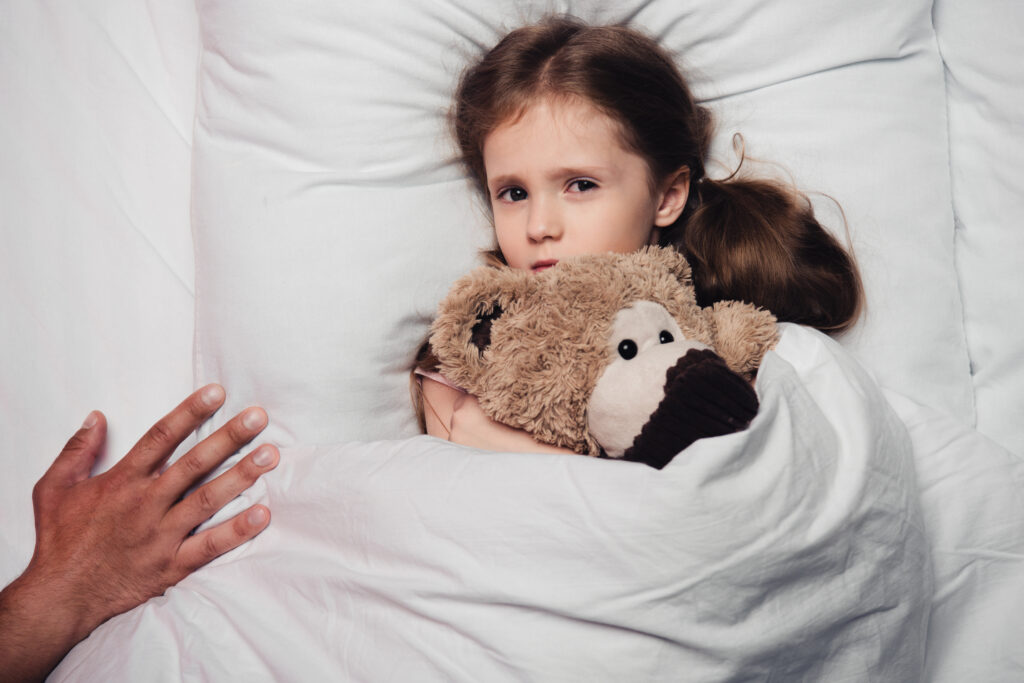
There are two phases of sleep: rapid eye movement (REM) and non-rapid eye movement (NREM). Non-rapid eye movement is broken down into more stages, further explaining different levels of sleep.
When in a REM cycle, our brains process and organize memories and emotions. Sometimes, however, human experiences (like something traumatic) are so heavy that the brain has a hard time consolidating the information.
With brains scanning for danger, even in the middle of the night, children may have nightmares or night terrors. While there’s not much you can do cognitively for nightmares or terrors, there are a few things you can do to make sleeping a more restful and pleasurable experience for them
- Create a calm and safe atmosphere
- Let your child know you’re nearby and not going anywhere
- Have a consistent bedtime routine
- Let them pick out a nightlight of their choice
- Don’t rush bedtime if they’re having a hard time
Creating a safe and predictable bedtime routine helps kids know what to expect and feel some control.
Separation Anxiety
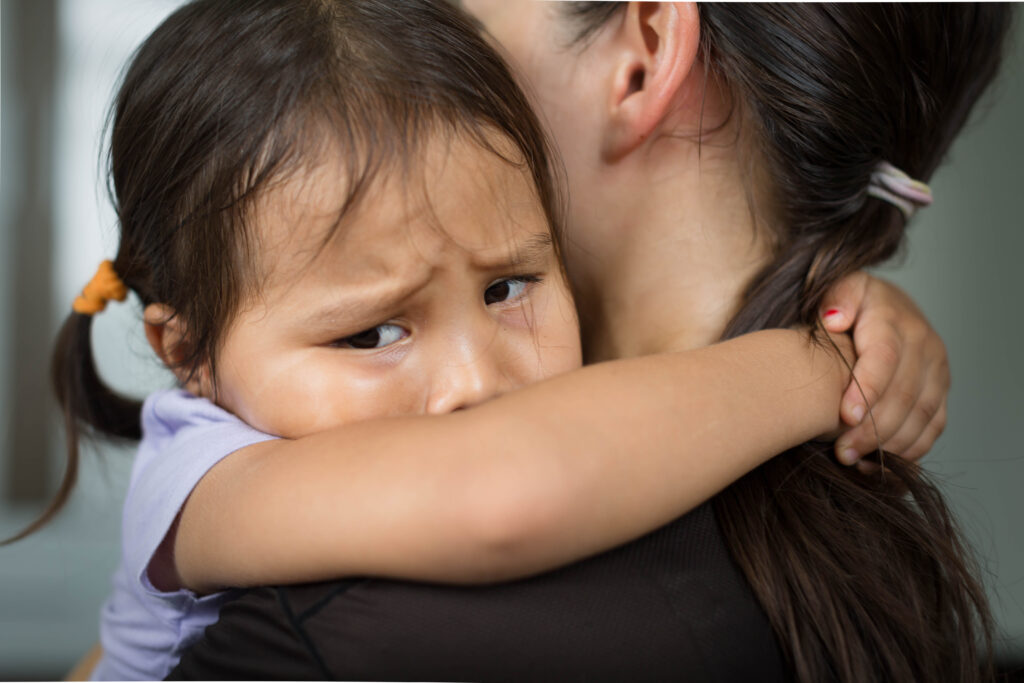
Sadly, separation anxiety between a toddler and their parent or caregiver is possible after a traumatic event. Children are biologically wired to find comfort and safety in their adults, and when that adult is separated from them, it could create a sense of anxiety, stress, and fear.
Separation anxiety can be a typical aspect of toddlerhood. Teachers warn parents that it could take a few weeks for a child to get used to being away from their parent or guardian for an extended period of time.
The basis of separation anxiety is that the child doesn’t feel safe without their adult. According to the Atlanta Wellness Collective, separation anxiety can look like:
- Tears, tantrums, and being clingy
- A fear that something horrible will happen to their parent, leaving them alone.
- Hesitation about going to school or activities
- Reluctance to sleep alone
- Your child may describe new physical symptoms, such as feeling sick, headaches, or stomach issues.
When a child experiences separation anxiety, it’s important to remember that the trauma is rooted in their nervous system, and it’s hard for them to have their guard down completely. They want to feel safe, valued, and validated, all of which are hard to feel when separated from a loved one.
Emotional Distress
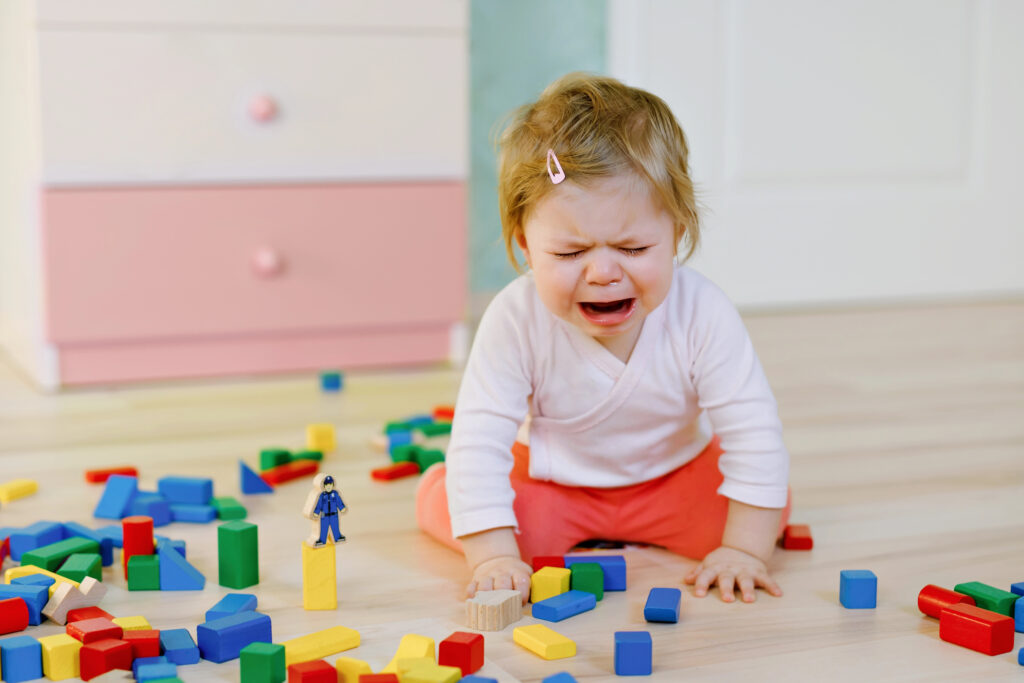
Emotional distress can show up in multiple ways in children who have experienced trauma. In the study Developmental Trauma Disorder 2025 Update on Innovations in Conceptualization and Interventions, it was revealed that a child’s brain activity centers on “stress reactivity,” forcing them to live in a world of stress.
Emotional stress can look different in every child:
- Anger
- Shame
- Lack of confidence
- The inability to recognize their own emotions
- Lack of empathy or understanding
- Impulsive behaviors
The study reaffirms that the consistent presence of a safe adult can help soothe these stressors, but it can take work.
Parents need to remind themselves that they need to be patient, caring, and empathetic individuals around children who have been attached to a traumatic event.
Here’s How To Help
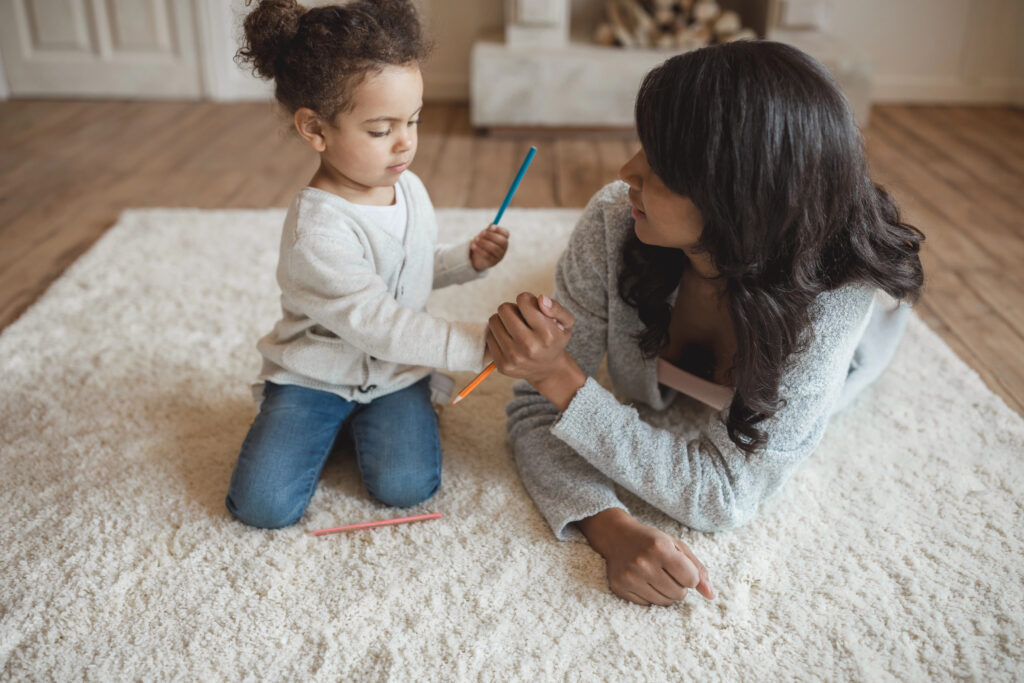
The traumatic stress of a child can be heavy for adults to wrap their heads around. How adults perceive and process information or stressors differs from that of children.
Regardless of the trauma, there are core things that every child seeks on their road to healing:
- Provide safety, stability, and consistency
- Listen without interrupting your child
- Validate what they’re feeling
- Answer their questions truthfully
- Keep detailed notes of their trauma responses. Are they clingy? Anxiety? Not eating?
- Connect through play
- Limit exposure to upsetting things
The most important thing a parent can do is to know when their child needs professional help. If your child doesn’t seem to be getting better with handling or accepting their grief, it’s prudent to seek further medical attention to prevent worse things from happening.
When healing, it’s wise to stay away from :
- Discussions they’re not ready for
- Anger during their emotional moments
- Empty promises (“This will all go away tomorrow”)
Be a consistent figure in their life who is calm, safe, and reliable.