
When you think about how your child learns to read, the first thing that probably comes to mind is the skills they learn in school — letter sounds, phonics, and eventually decoding words to read.
But new research is showing that long before these academic skills are learned, the basis for reading is developing in your child’s brain. This means that setting your child up for reading success begins even earlier than previously thought.
New Study Shows The Formation of Pre-Reading Skills
An innovative study tracked the brain development of children over several years, from infancy to the start of reading. The children’s brains were imaged with MRIs to see how their brain structure changed over the course of their development.
Then, researchers analyze these findings in comparison to the children’s later reading scores. They found that even in these early years, the brain is developing in ways that can either help or hinder a child’s later reading development.
One key finding was that although reading is typically not taught until kindergarten or the early elementary years, the underlying skills needed begin much earlier.
Skills like being able to hear sounds within words, known as phonological processing, as well as auditory processing, all begin to develop in the brain very early on in a child’s development.
Underlying Skills for Reading Start Early
These skills are crucial to reading, but they may not be as obvious to parents. This means that when your child enters kindergarten or first grade and begins learning to read, the structure of their brain may already be influencing how the process unfolds.
Perhaps most importantly, researchers suggest that how their brains have developed up to this point may influence whether they learn to read easily or struggle. Study author Nadine Gaab puts it this way,
“Our findings suggest that some of these kids walk into their first day of kindergarten with their little backpacks and a less-optimal brain for learning to read, and that these differences in brain development start showing up in toddlerhood.”
Setting Your Child Up for Reading Success

As a parent, you can’t completely control how these structures of your child’s brain are developing.
However, you can set up an environment that is conducive to these early language and auditory skills, which influence the process of learning to read. In the early years of your child’s development, even years before they start kindergarten, you can all do things that help their brain develop the ability to hear and understand sounds within words.
Reading Is Important, But So Is Talking
We all know that reading to your child is one of the most important things we can do to help their overall language development and later reading skills.
But it’s not just about reading. Here are a few other ideas for language development activities that you can do even in those early months and years:
Talk to your baby or toddler…a lot. Try to have back-and-forth conversations with your child, even when they’re just babbling or first learning words. Expose them to new interesting words through books or just daily life. Use vivid language with words that describe what they’re seeing—colors, sizes, and textures. They won’t understand these words at first, but they will come with time.
Describe daily life. Talk to your baby or toddler about what you’re doing. At these early ages, they are often along for the ride as you do chores or errands, but they’re still learning. Some scholars call this process “dialogic living” because it’s an ongoing dialogue with your child throughout the day. Even just identifying objects around the house can help with the development of oral language and with picking up on words and sounds.
Use word play. Children don’t learn words in a vacuum; they learn them in relationship with other caregivers and us. Use playful interactions with words through songs, rhymes, and hand movements.
Early Intervention Before Reading Struggles
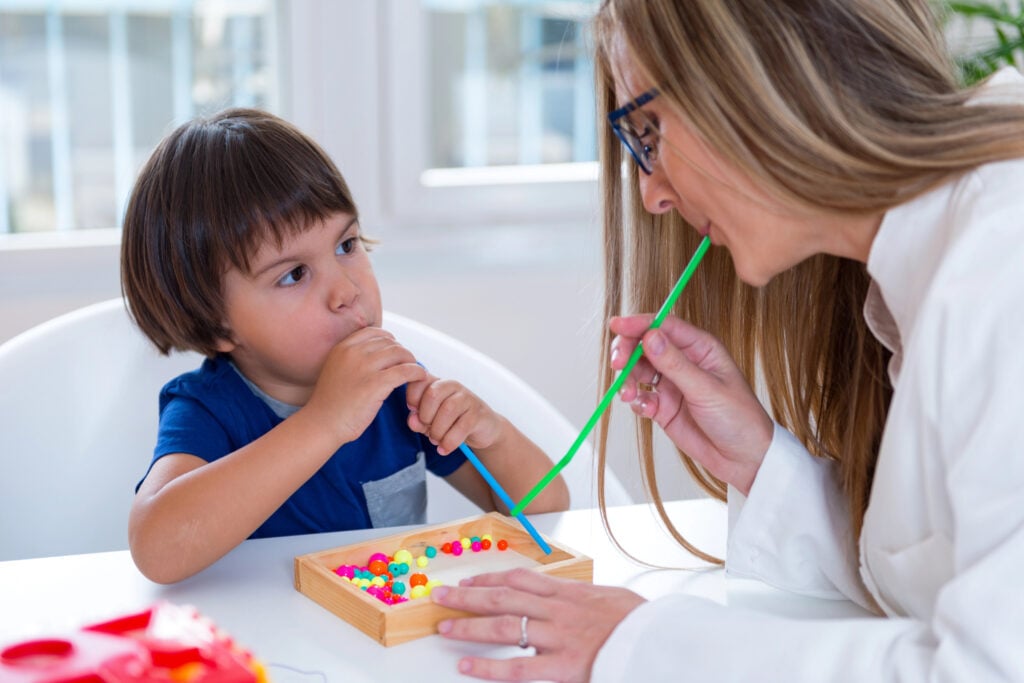
Perhaps the most helpful aspect of this new study is its demonstration that early intervention is crucial. If your toddler struggles with speaking, hearing sounds, or communicating, it’s helpful to seek out support.
This study shows that these early language and hearing skills needed for reading are established years before your child learns the ABCs.
Early intervention with a pediatrician or speech-language pathologist could help your child enter school better prepared for early reading skills.