

Experts Say Preparation, Patience, and Connection Can Make a Big Difference
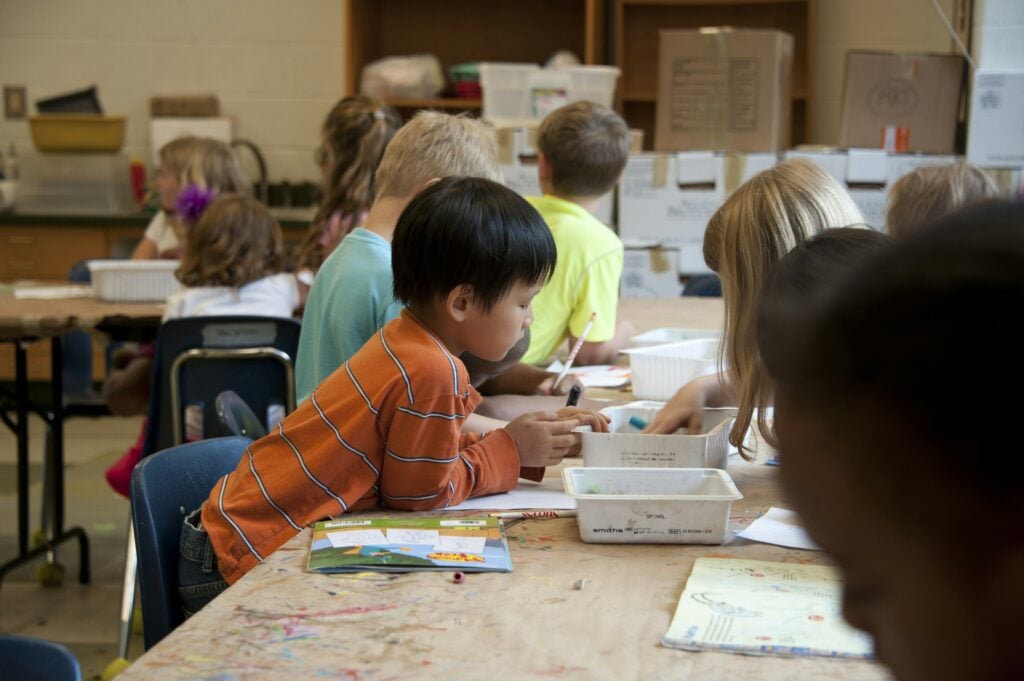
Starting at a new school can be one of the most significant transitions in a child’s life. While some children embrace the opportunity to make new friends and explore a new environment, others can experience things like anxiety, loneliness, and uncertainty as they adjust to unfamiliar routines and expectations.
According to experts interviewed by Parents, changing schools often means leaving behind trusted teachers, established friendships, and a familiar sense of belonging. Clinical psychologist Dr. Amy Mezulis says it is important for parents to acknowledge that the transition can be emotionally difficult, noting that children need their feelings validated rather than dismissed. She advises parents to be honest about the change and to spend time listening to their concerns.
The Association for Child and Adolescent Mental Health (ACAMH) notes that these transitions can affect a young person’s sense of belonging, motivation, and confidence. Students may feel excited and worried at the same time as they adapt to new teachers, larger campuses, changing friendships, and higher academic expectations.
What Parents Can Do Before the First Day
Experts recommend helping children become familiar with the new school before classes begin. Touring the building, reviewing schedules, and discussing what to expect can reduce uncertainty and make the environment feel less intimidating.
Parents can also help children create closure with their previous school. Saying goodbye to teachers and friends, exchanging contact information, or creating a memory book can help children process the transition rather than feeling as though an important chapter ended abruptly.
Dr. Mezulis encourages parents to validate their child’s emotions and avoid rushing them to “look on the bright side.” As she explains, “It’s OK for kids to have mixed feelings about a new school.” Acknowledging both excitement and anxiety can help children feel understood.
If Your Child Is Struggling
Parents should remember that adjustment takes time, up to two months or more for many children to feel comfortable in a new school environment.
If a child is having a hard time, parents can encourage participation in clubs, sports, and extracurricular activities where friendships often develop naturally. Maintaining routines at home and checking in regularly about school experiences can also provide stability during a period of change.
For children who continue to struggle, parents should reach out to teachers, school counselors, or support staff. Experts emphasize that early intervention can help address social, emotional, or academic challenges before they become larger problems.
Ultimately, changing schools can be stressful, but it can also be an opportunity for growth. With patience, preparation, and strong support from parents and educators, most children and teenagers successfully adapt and develop the confidence needed to thrive in their new environment.

