

One Father’s Response Offers a Valuable Lesson
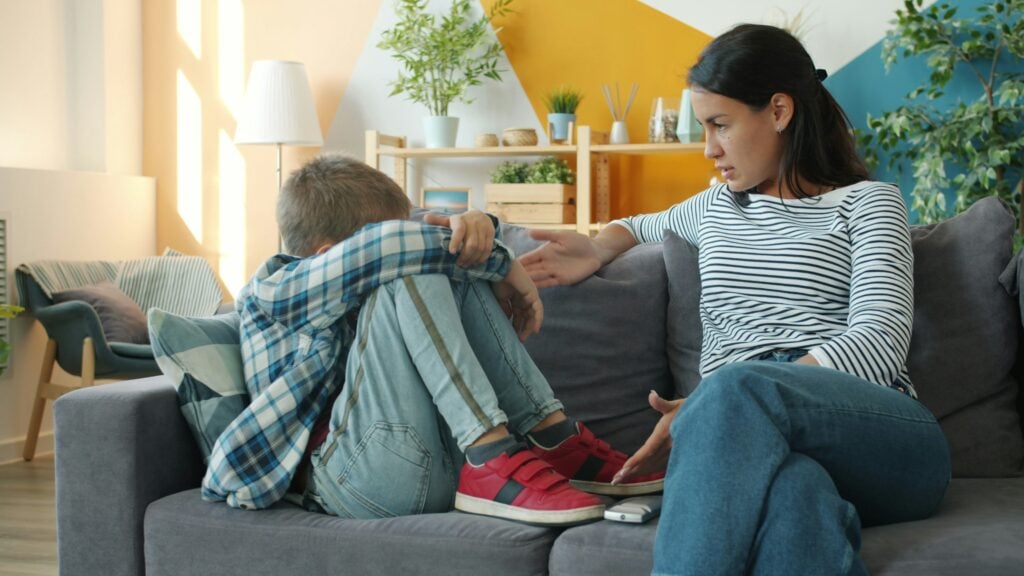
Most parents hope they’ll never receive a call saying their child has been bullying another student. But when one father on Reddit learned his son had repeatedly mistreated a classmate, he chose an approach that has resonated with parents online.
According to Parents.com, the father didn’t immediately jump to punishment. Instead, he focused on helping his son understand the impact of his actions and take responsibility for them. The dad emphasized empathy and accountability, encouraging his child to recognize the harm caused to the other student rather than simply fearing consequences.
The story serves as a reminder that bullying behavior is often a signal that a child needs guidance, not just discipline. Experts frequently note that while consequences are important, helping children develop empathy and healthier social skills is what creates lasting change. This is easy to understand when your child is being bullied, but can feel different when they are the bully.
How Parents Can Influence Bullying Behavior
Children learn a great deal by observing the adults around them. According to Child Mind Institute, kids who witness aggressive behavior, frequent criticism, intimidation, or disrespectful interactions may be more likely to imitate those behaviors in their own relationships.
Experts stress that bullying is not always driven by cruelty. Sometimes children bully because they are seeking attention, struggling with insecurity, coping with stress, or trying to gain social status. “Kids engage in all kinds of behavior that isn’t a reflection of who they are as a person,” says Jamie Howard, PhD, a clinical psychologist. This emphasizes that understanding the cause of the behavior is a critical step toward addressing it.
Parents should also be aware of the messages they send through their own actions. When adults model empathy, respectful communication, and healthy conflict resolution, children are more likely to develop those same skills.
Strategies to Help a Child Stop Bullying
Experts say the first step is to have an honest conversation without immediately becoming defensive. According to the organization STOMP Out Bullying, parents should listen carefully, gather facts, and make it clear that bullying behavior is unacceptable while reassuring their child that they can work together to improve the situation.
The organization recommends helping children practice empathy by discussing how the targeted child may have felt and encouraging them to make amends when appropriate. Parents can also work with teachers, counselors, and school administrators to ensure consistent expectations at home and school.
Another effective strategy is teaching positive ways to handle frustration, anger, and social conflict. Instead of focusing solely on punishment, experts encourage parents to help children build emotional regulation, communication, and problem-solving skills.
While discovering that your child has bullied someone can be painful, experts agree it can also be an opportunity for growth. With guidance, accountability, and support, children can learn from their mistakes and develop the empathy and respect needed to build healthier relationships in the future.

