

The old idea that a child is “old enough” at a certain age is giving way to a more individualized approach to independence.
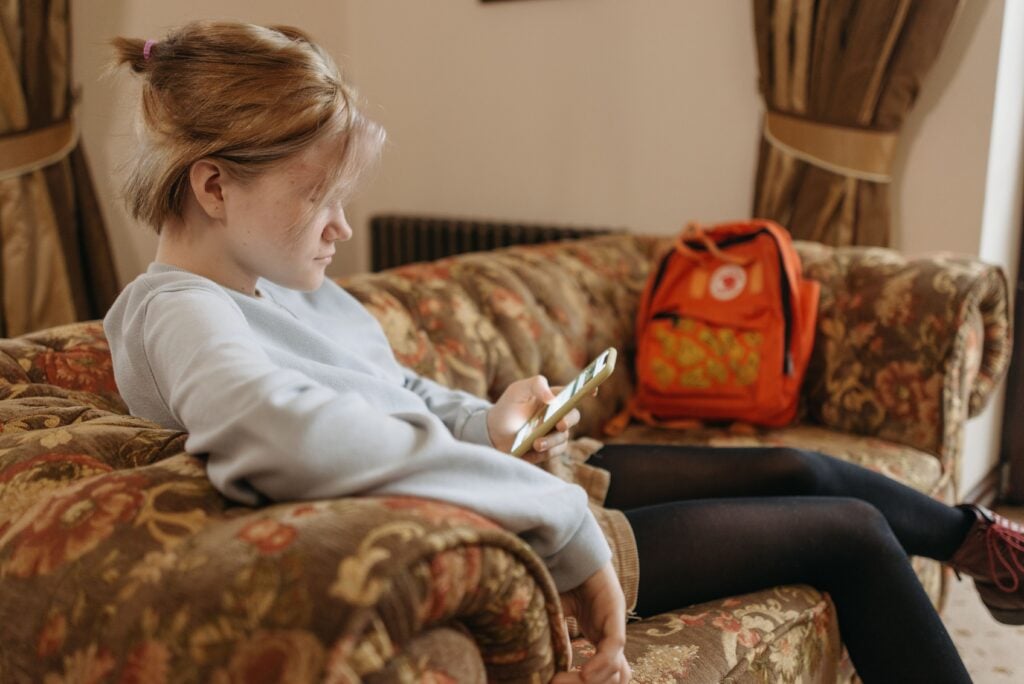
For many parents, leaving a child home alone can feel like a bigger leap than it once did. Concerns about emergencies, strangers at the door, online activity and whether a child will make good decisions can make parents reluctant to hand over that responsibility.
A recent Yahoo Finance story examining Gen X parents highlights how expectations around childhood independence have changed, with some parents increasingly uncomfortable with leaving children unsupervised. For today’s families, the question isn’t simply whether a child has reached a particular birthday—it is whether that child can safely handle being alone.
Is Your Child Actually Ready?
There isn’t one magic age when every child becomes ready. The American Academy of Pediatrics says experts generally consider 11 or 12 an appropriate age for being home alone for a few hours, but emphasizes that maturity, location, nearby support and the child’s comfort level all matter.
Parents should ask whether their child follows rules without constant reminders, thinks before acting and knows what to do during an emergency. Can they handle a power outage, avoid opening the door to strangers, contact a parent and resist the temptation to announce on social media that they’re home alone?
Just as importantly, does the child actually want to be alone? A mature child who is frightened by the idea may need more time, while another child may be ready for short periods earlier.
Preparation Makes Independence Safer
Once parents decide their child is ready, the best approach is to start small. The AAP recommends short trial runs before gradually increasing the amount of time alone, while practicing scenarios such as fires, injuries, gas leaks and unexpected visitors.
The Canada Safety Council recommends that parents consider age, health, temperament and maturity, noting that it does not recommend leaving children home alone before age 10. It also suggests having clear rules, keeping communication open, securing the home and making sure a responsible adult is nearby if help is needed.
The council’s guidelines suggest that children 10 to 12 may manage up to two hours with indirect supervision, while 13- and 14-year-olds may potentially handle longer periods.
Ultimately, leaving a child home alone shouldn’t be treated as a test of whether they’re “big enough.” It’s a gradual lesson in independence—and preparation, communication and parental judgment are what make that lesson successful.

