

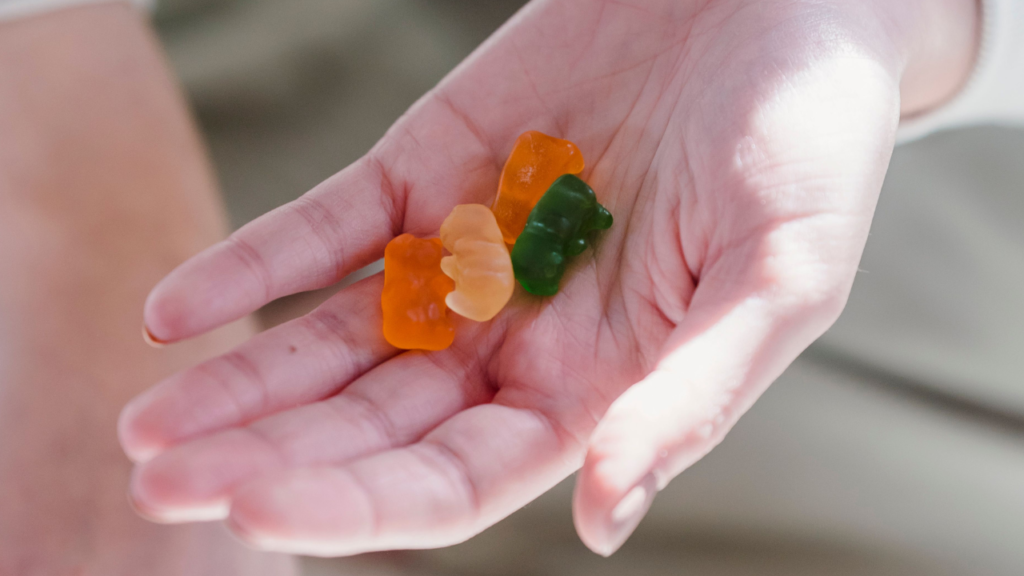
“Gummy Bear Mom” is the latest parenting trend making waves on social media, describing parents who take a relaxed approach to their children’s diets. Rather than banning candy, chips and other treats, Gummy Bear parenting allows kids to enjoy less-nutritious foods without labeling them as forbidden or “bad.”
The approach is partly a reaction to restrictive attitudes toward food. Some parents who grew up with strict rules around sugar and junk food want their children to develop a healthier relationship with food without guilt or shame.
But Gummy Bear parenting doesn’t necessarily mean letting children eat whatever they want. The goal is generally to allow treats while still providing nutritious meals and teaching children about balanced eating. As Good Housekeeping explains, “life is to be enjoyed, so kids should eat what makes them happy.”
Why Is Gummy Bear Parenting Being Criticized?
Critics of Gummy Bear parenting aren’t necessarily opposed to children eating gummy bears, candy or other sugary treats. Instead, they worry that removing food restrictions could go too far if parents stop providing the structure children need to develop healthy eating habits.
Children are still learning about nutrition, hunger, portion sizes and self-control. As psychologist Pamela Rutledge explains, “Childhood is when kids develop executive function, impulse control, nutritional knowledge, and self-regulation.”
That makes parental guidance particularly important. Giving children some freedom around food can help them enjoy eating without shame, but parents still need to make nutritious foods available and establish reasonable routines for meals and snacks.
For parents wondering how much sugar kids should have, the answer isn’t simply “none.” A healthy approach to kids and sugar is to make nutritious foods the foundation of their diet while treating sweets as an occasional part of an overall balanced eating pattern.
What Does a Healthy Diet for Kids Look Like?
A healthy diet for children doesn’t require eliminating treats altogether. Mayo Clinic recommends emphasizing nutrient-dense foods while limiting foods high in added sugar, saturated fat and salt.
Children need a variety of nutrients as they grow, including protein, carbohydrates, healthy fats, vitamins and minerals. Fruits and vegetables, whole grains, seafood, lean meats, eggs, beans, nuts and seeds, along with dairy or fortified alternatives, can all contribute to a healthy diet for kids.
The amount of food children need varies according to their age, activity level and individual needs. Mayo Clinic, for example, recommends that children ages 9 to 13 generally consume 1.5 to 2 cups of fruit and 1.5 to 3 cups of vegetables each day.
Ultimately, healthy Gummy Bear parenting is less about unlimited candy and more about balance. Parents can let children enjoy treats while teaching them that nutritious foods help their bodies grow, learn and stay healthy—and that no single food needs to be treated as completely forbidden.

