

Strategy games can seem intimidating compared to more straightforward genres such as shooters and platformers. Instead of teaching players a handful of actions and sending them on their way, they often introduce economies, unit relationships, upgrade systems, and other mechanics that interact with one another. Even a basic decision can have consequences several turns later, which means new players need time to understand why a plan succeeded or fell apart.
However, that complexity is precisely what makes the genre so rewarding. As players become more familiar with the rules, information that once seemed overwhelming begins to reveal possibilities. A difficult battle becomes easier after recognizing how the terrain can be used, while an inefficient city starts running smoothly once its production problems are solved. Because progress comes from developing a better understanding of the game rather than simply improving reflexes, a well-earned victory can feel like the culmination of everything learned along the way.
Fortunately, strategy games don’t all expect players to master dozens of systems from the beginning. Some reduce the genre to a few clear decisions, making them approachable even for children who have never played anything similar before. Others are considerably more complicated, but smooth tutorials, adjustable difficulty settings, and carefully paced campaigns allow players to learn their intricacies over time. Our list of the best strategy games for kids and teens covers that entire range, offering younger players a welcoming introduction to the genre while giving older players plenty of depth and challenge.
Sid Meier’s Civilization VI Makes World History Feel Personal
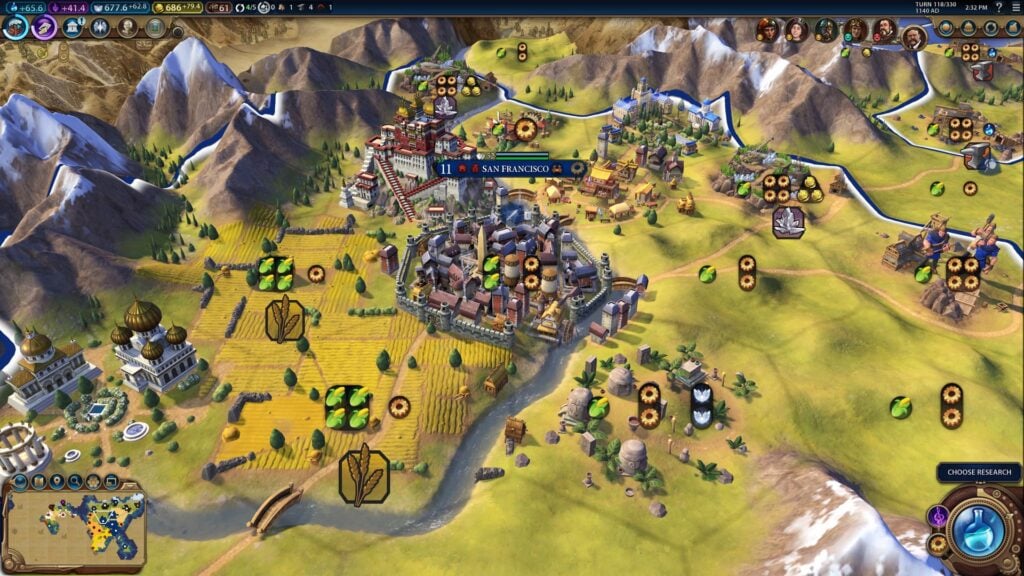
Civilization VI gives players a small group of settlers and lets them set out on a journey to build a new civilization from scratch. Because every decision reshapes the map, abstract ideas such as scientific progress, diplomacy, religion, and cultural influence gradually become part of a story the player creates. Even the placement of a new district is important, since a campus beside the right mountains can alter a city’s future centuries later.
Every game of Civilization VI plays out differently, and never exactly how players expect. A plan that starts with securing iron may lead to a tense alliance, which then becomes a race to reach space before a former friend. Although the number of interacting systems can intimidate newcomers, the adjustable difficulty and built-in adviser make the basics approachable for patient older kids. Local and online multiplayer broaden the possibilities, but the unpredictable single-player matches remain the game’s strongest introduction.
Why Older Kids And Teens Will Love Civilization VI: Every match becomes an alternate history filled with decisions worth debating afterward. It’s especially rewarding for players who enjoy watching a little plan develop into something much larger.
ESRB Rating: E10+
Content Descriptors: Drug Reference, Language, Mild Violence, Suggestive Themes
Platforms: Android, iOS, Linux, Mac, Nintendo Switch, PC, PlayStation 4, Xbox One
Players: Single-Player, Local Multiplayer, Online Multiplayer
Fire Emblem: Three Houses Gives Every Tactical Choice A Human Cost
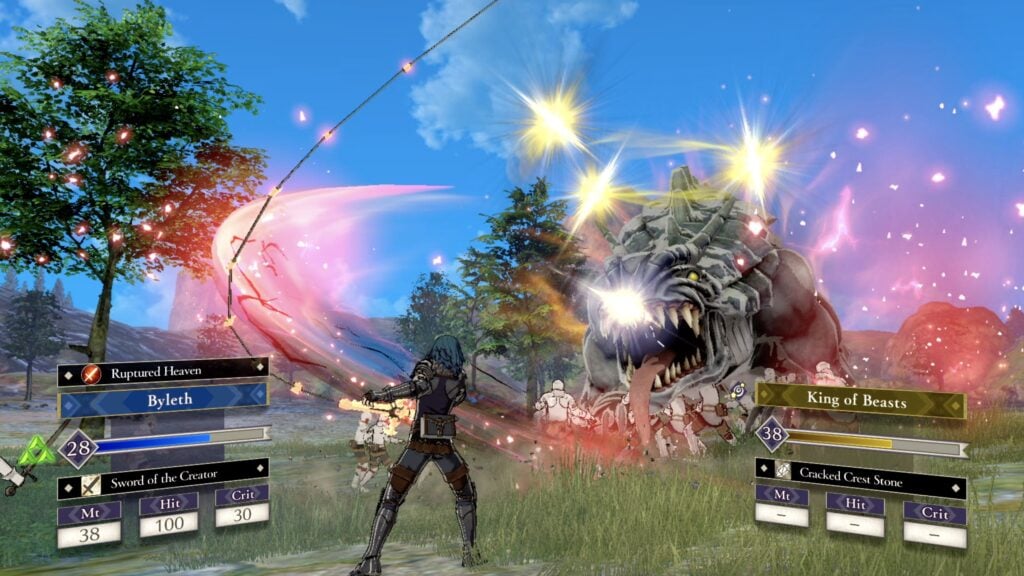
Fire Emblem: Three Houses spends its opening hours asking players to teach a class of young officers, and that time in the academy changes how every later battle feels. Your swordsman isn’t just a useful unit once you’ve helped him overcome a weakness or watched him form friendships with his classmates. Consequently, sending someone into danger carries an emotional weight that most strategy games never attempt.
The battlefield systems are equally good at making relationships feel important. Nearby allies support one another, carefully planned attacks can protect a vulnerable student, and a reckless decision may have lasting consequences when classic permadeath is enabled. Newer players can choose Casual mode, so defeated characters return after battle, while experienced tacticians can preserve the series’ harsher rules. Three different houses provide distinct casts and story routes, giving players plenty of reasons to start a second or third playthrough after they’ve beaten the game.
Why Teens Will Love Fire Emblem: Three Houses: The school setting makes a complicated tactical RPG easier to care about because every statistic belongs to someone the players know. Given that the wartime story grows considerably darker later on, this game is best suited to teens despite its inviting anime presentation.
ESRB Rating: T
Content Descriptors: Blood, Suggestive Themes, Violence
Platforms: Nintendo Switch
Players: Single-Player
Slay The Spire Makes Every Card Earn Its Place
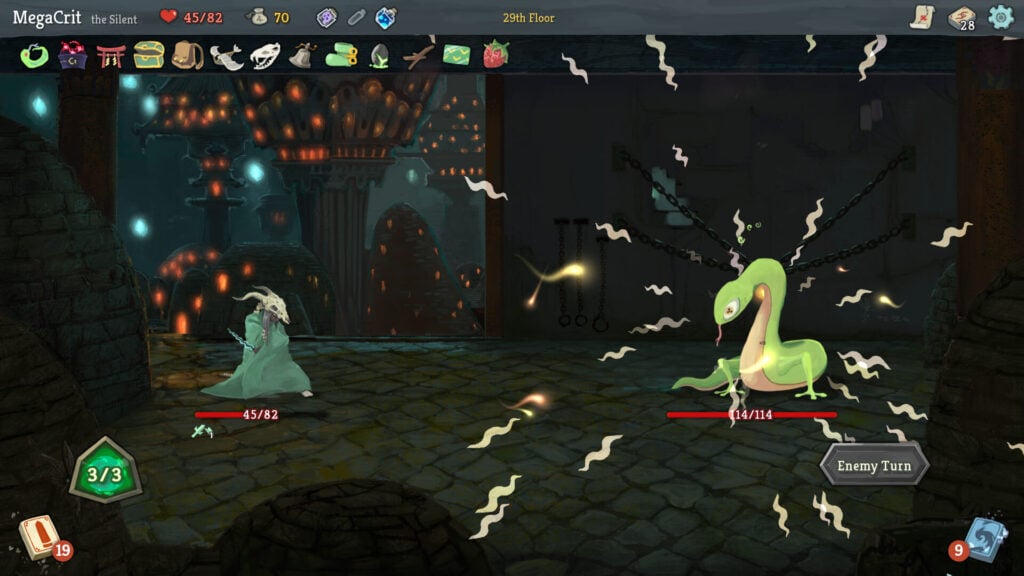
Slay the Spire turns deck building into a lesson in restraint. Winning rarely comes from grabbing every impressive card on offer and instead, players learn to build a smaller deck whose pieces support one another. That system makes removing a mediocre card feel just as valuable as finding a powerful new one, which is an elegant way to teach the difference between collecting options and forming a plan.
Each climb then tests that plan against unfamiliar enemies, risky events, and relics that can transform how a character fights. Because opponents reveal their next action, the uncertainty never feels completely arbitrary as players can calculate the damage, decide what they can afford to absorb, and adjust accordingly. A lost run sends them back to the beginning, yet the short battles and steady stream of discoveries make another attempt easy to justify. Fans can continue with Slay the Spire 2, although the original remains the obvious starting point.
Why Older Kids And Teens Will Love Slay The Spire: The rules are straightforward enough to understand quickly, but the interactions between cards reward experimentation for hundreds of hours. Failure usually reveals a useful lesson, which keeps a difficult game from feeling needlessly punishing.
ESRB Rating: E10+
Content Descriptors: Fantasy Violence, Mild Blood, Tobacco Reference
Platforms: Android, iOS, Linux, Mac, Nintendo Switch, PC, PlayStation 4, Xbox One
Players: Single-Player
Pikmin 4 Teaches Strategy Through Tiny Acts Of Organization
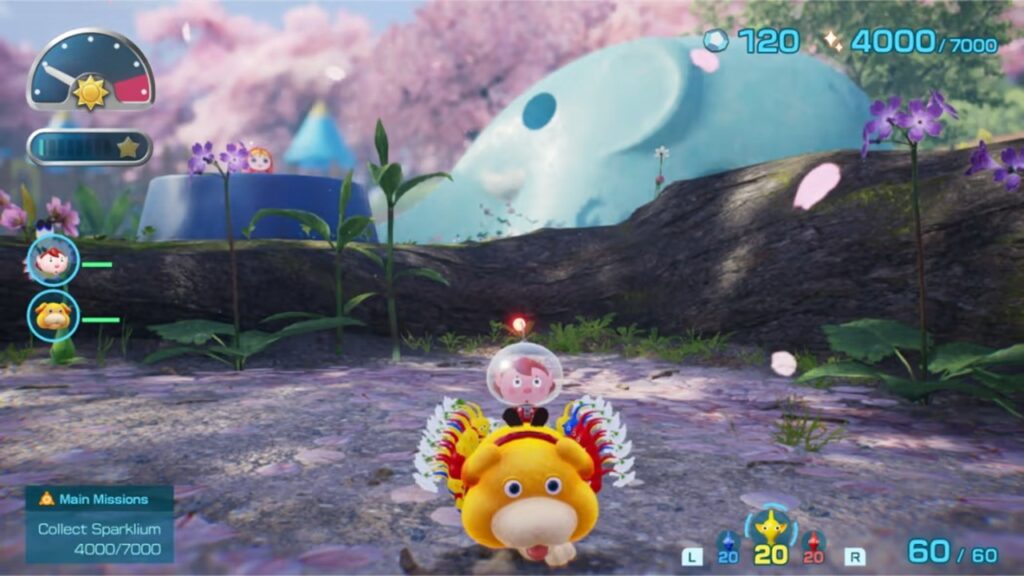
Pikmin 4 makes leadership look like directing a crowd of eager garden creatures through a giant backyard. Since each Pikmin type handles a different hazard, the central challenge is deciding how to divide a limited workforce without leaving anyone stranded. A simple trip to carry home a toy can therefore become a satisfying little operation involving route planning, timing, and just enough improvisation when something goes wrong.
Oatchi, the player’s dependable rescue pup, makes those decisions more welcoming. He can transport an entire squad, help with heavy objects, and give beginners room to recover from messy encounters. Meanwhile, optional challenges still test efficient commanders. The miniature scale gives ordinary spaces a sense of wonder, too, so exploring remains pleasurable even when players aren’t chasing a perfect score. Pikmin 3 Deluxe is another excellent entry for young players, but Pikmin 4 offers the series’ gentlest learning curve,
Why Kids Will Love Pikmin 4: The colorful creatures make resource management feel playful rather than academic. At the same time, rescuing a scattered squad teaches kids to slow down, reassess the situation, and turn a mistake into a workable new plan.
ESRB Rating: E10+
Content Descriptors: Comic Mischief, Fantasy Violence
Platforms: Nintendo Switch
Players: Single-Player, Local Multiplayer
Into The Breach Lets Players See Disaster Before It Happens
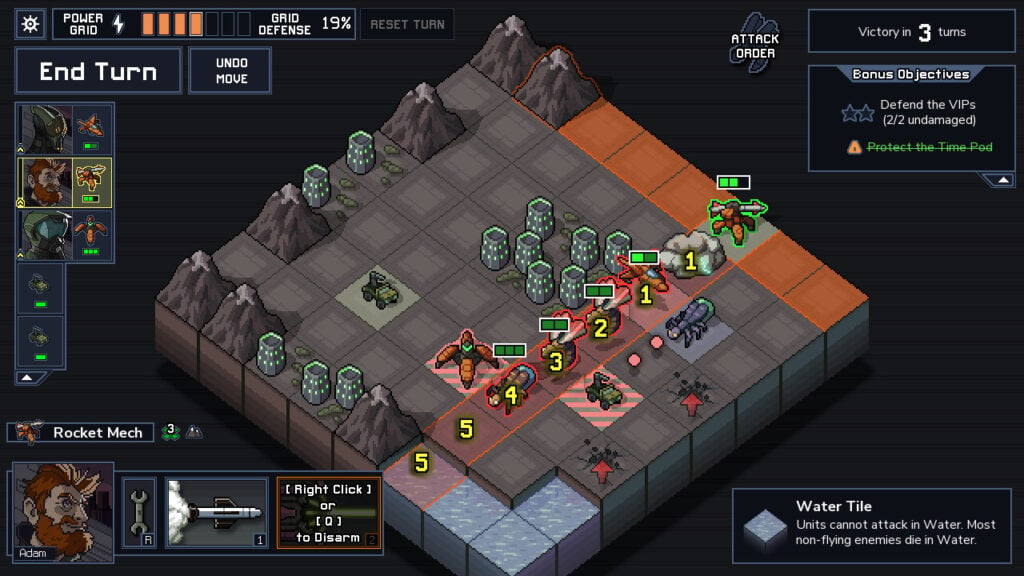
Into the Breach removes much of the uncertainty that usually surrounds strategy games by showing exactly what the enemy intends to do next. The challenge lies in responding to that information. For instance, one of the players’ mechs might push a monster away from a building, but doing so could send it into another pilot’s firing line. Alternatively, trying to redirect the creature’s attacks towards one of its allies could end up being more helpful than simply destroying the thing.
Into the Breach makes each compact battlefield feel closer to a chess puzzle than a conventional war. Turns are short enough to reconsider without losing the larger picture, while the rewind option forgives one poorly chosen move per battle. Failure still has consequences, but at least a surviving pilot can travel back through time and carry their experience into the next attempt. This structure gives older kids and teens a demanding challenge without burying them beneath sprawling menus or lengthy matches.
Why Older Kids And Teens Will Love Into The Breach: The game rewards foresight more than quick reflexes, and every successful turn produces the satisfying feeling of solving an impossible problem. It also comes with fairly small maps that allow even sophisticated tactics to be relatively simple to read.
ESRB Rating: E10+
Content Descriptors: Animated Blood, Fantasy Violence, Language
Platforms: Android, iOS, Linux, Mac, Nintendo Switch, PC
Players: Single-Player
Unicorn Overlord Turns Army Building Into Its Own Puzzle
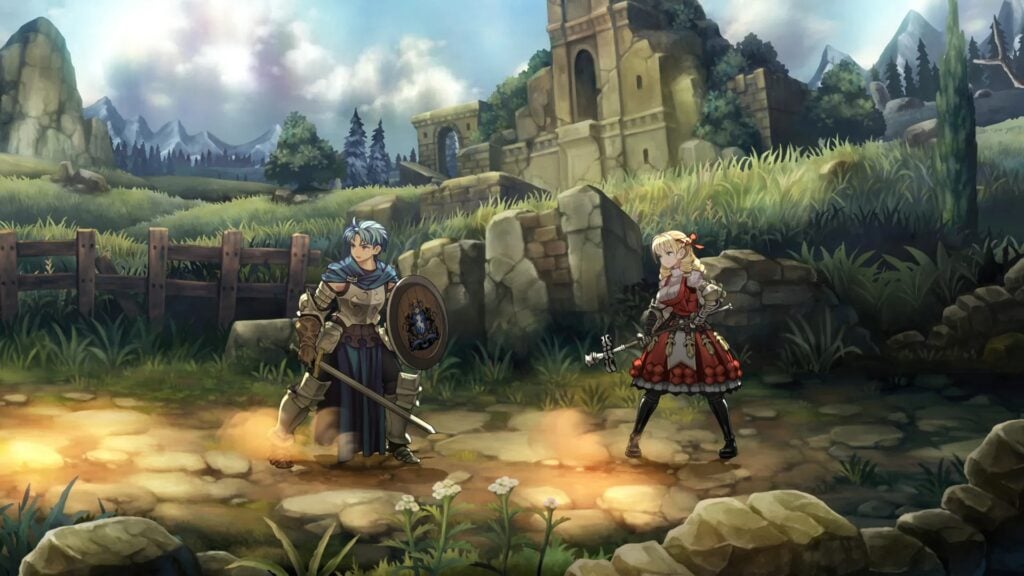
Unicorn Overlord asks players to win battles before the fighting even begins. The game arranges individual soldiers into small squads, and their positions determine who absorbs an attack, who protects an ally, and which skills activate first. Once the actual combat starts, those instructions play out automatically. If the instructions were sound, victory is all but assured. If not, well, better luck next time. Preparation is the name of the game here and it grows more absorbing as the army expands.
Oftentimes, a unit that struggled against armored enemies before may only need a different partner or a carefully worded command to become effective against them. Meanwhile, the broad overworld keeps the campaign switching between battles as towns are liberated and new recruits join the cause. There are many classes, items, and tactical conditions to wrap one’s head around, but adjustable difficulty options allow curious younger players to learn gradually, while teens can pursue the deeper optimization.
Why Older Kids And Teens Will Love Unicorn Overlord: Building a squad feels like assembling a machine and then watching it prove itself in motion. Vanillaware’s richly illustrated characters and storybook landscapes give that mechanical satisfaction an unusually handsome setting.
ESRB Rating: T
Content Descriptors: Blood, Fantasy Violence, Mild Language, Mild Suggestive Themes
Platforms: Nintendo Switch, PlayStation 4, PlayStation 5, Xbox Series X/S
Players: Single-Player, Online Multiplayer
Final Fantasy Tactics Gives Every Battle Political Weight
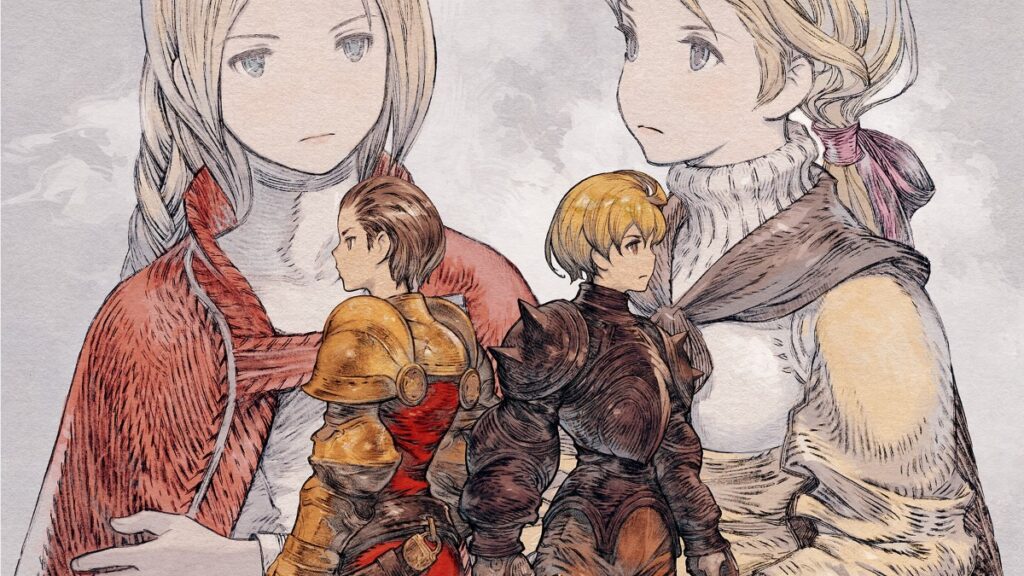
Final Fantasy Tactics: The Ivalice Chronicles places its grid-based battles inside a story about class, loyalty, and the way powerful people rewrite history. The political framing gives purpose to its deliberate pace because the soldiers at the player’s disposal aren’t just anonymous pieces. They’re caught in a conflict whose alliances keep shifting, and the personal consequences become clearer as Ramza’s idealism collides with the ambitions around him.
The job system provides just as much room for thought as the combat. Characters can carry abilities learned as knights, chemists, mages, and many other roles into new professions, allowing players to shape a party around their own ideas. However, early battles can punish careless preparation, and the dense story expects close attention, making this a much stronger recommendation for teens than young children.
Why Teens Will Love Final Fantasy Tactics: The Ivalice Chronicles: Few games connect character customization, battlefield positioning, and political storytelling this tightly. Teens who enjoy mastering complicated systems will find that a carefully developed party can produce wonderfully personal solutions.
ESRB Rating: T
Content Descriptors: Blood, Drug Reference, Fantasy Violence, Mild Language, Mild Suggestive Themes
Platforms: Nintendo Switch, Nintendo Switch 2, PC, PlayStation 4, PlayStation 5, Xbox Series X/S
Players: Single-Player
StarCraft II Remains The Gold Standard For Fast-Paced Strategy
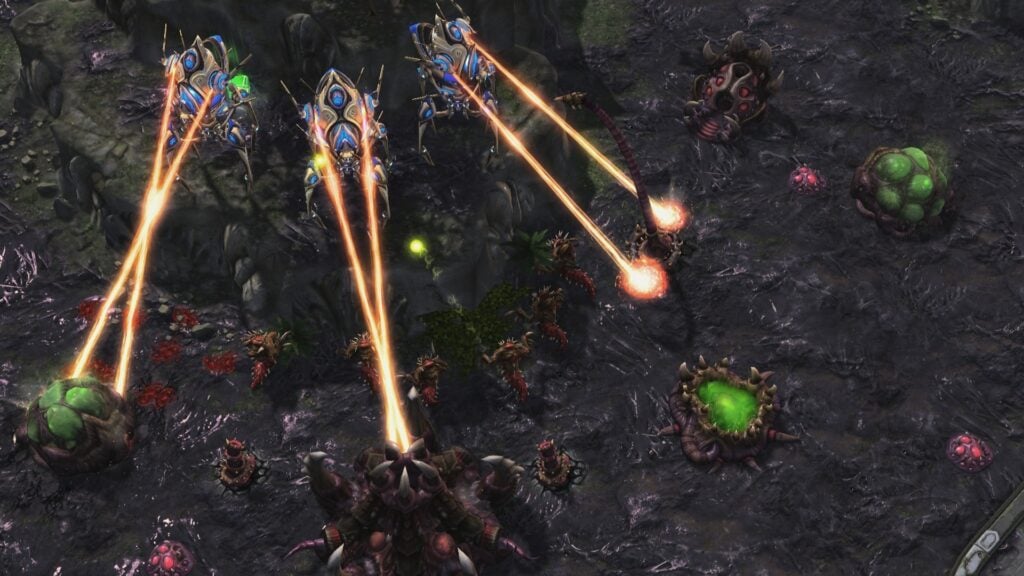
StarCraft II is a real-time strategy game that puts the player’s skills and their attention span to the test. Good decision-making is crucial to everything you do in this game. Building a second base may create a stronger economy, but it could also leave the player exposed. Training a big army provides security, yet that investment can slow the next technological leap. The three factions complicate those choices in fundamentally different ways, as each of them comes with different mechanics and needs to focus on different things in order to thrive.
StarCraft II’s single-player missions are remarkably inventive, regularly changing the battlefield and rarely asking players to repeat the same base-building exercise. Adjustable difficulty makes those campaigns the best place for newcomers to develop confidence before entering the famously competitive online modes. StarCraft II continues the story of StarCraft and Brood War, while its own narrative is divided among Wings of Liberty, Heart of the Swarm, and Legacy of the Void. The violence is considerably stronger than the cartoon art elsewhere on this list, making this another game aimed primarily at teens.
Why Teens Will Love StarCraft II: The game’s speed creates an exhilarating sense of command, while the sharply differentiated factions provide years of strategic discovery. StarCraft II’s campaigns can be enjoyed alone, but online multiplayer is a major optional part of the package and requires a Battle.net account.
ESRB Rating: T
Content Descriptors: Blood and Gore, Mild Language, Suggestive Themes, Violence
Platforms: Mac, PC
Players: Single-Player, Online Multiplayer
XCOM 2 Makes Every Victory Feel Hard Won
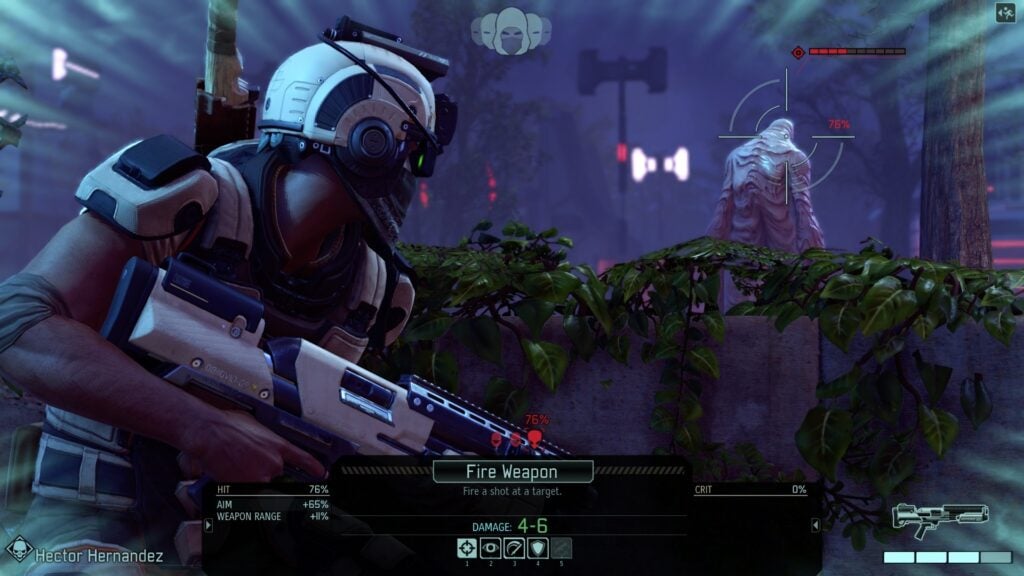
XCOM 2 gives players command of a resistance movement that is outnumbered from the beginning, which means even a successful mission can have negative consequences in the grand scheme of things. For instance, a veteran soldier may return injured, valuable equipment may be lost, and the enemy’s larger plans continue advancing while the squad recovers. That’s the sort of pressure that forces players to think several moves ahead in order to ensure that their squad takes as little damage as possible so it can keep fighting again afterward.
On the ground, destructible environments and missed shots create a lot of uncertainty. Players can improve their odds through smart positioning, but even a 90% chance shot can still miss at the worst moment, forcing the rest of the squad to adapt. The resulting stories of narrow escapes and beloved soldiers falling in the line of duty are what make the campaign memorable. Because the game includes blood, frightening aliens, permanent character death, and a demanding learning curve, it’s best reserved for teens.
Why Teens Will Love XCOM 2: Customizable soldiers quickly become characters players genuinely care about, causing tactical decisions to carry a lot of tension. The satisfaction comes from surviving bad luck without losing sight of the larger campaign.
ESRB Rating: T
Content Descriptors: Blood, Use of Tobacco, Violence
Platforms: iOS, Linux, Mac, Nintendo Switch, PC, PlayStation 4, Xbox One
Players: Single-Player, Online Multiplayer
Mario + Rabbids: Sparks Of Hope Lets Tactics Move Freely
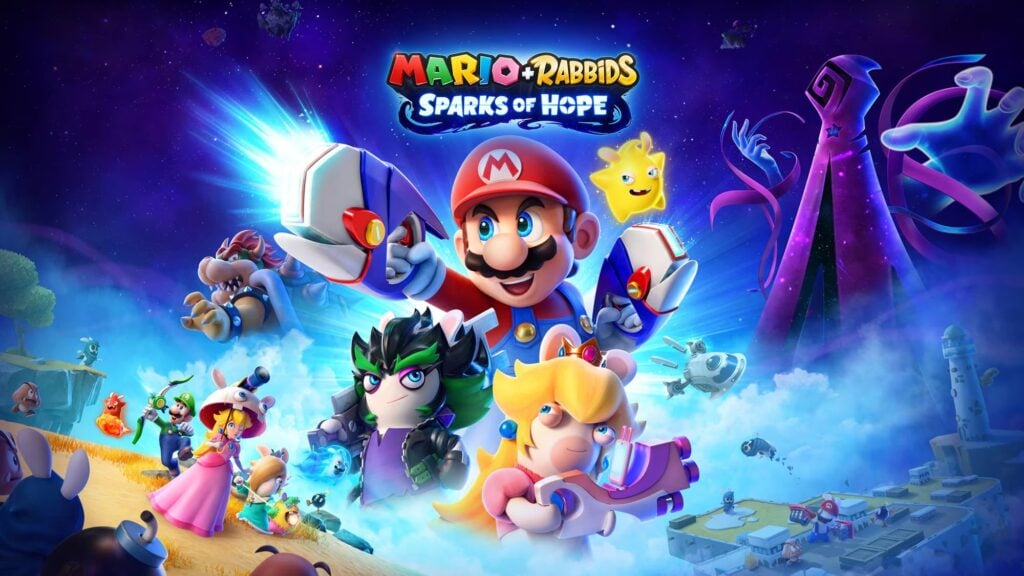
Mario + Rabbids: Sparks of Hope loosens the invisible grid that governs many turn-based strategy games. Here, characters can move freely within a set range, which makes lining up a team jump or sliding behind cover feel natural even for someone who has never studied tactical rules. Once players commit to an attack, however, positioning is still important, so the friendly controls never erase the need for a plan.
The Sparks deepen that system by granting new powers and elemental effects that can transform a familiar hero’s role. Because abilities combine in readable ways, experimentation usually produces a funny or spectacular result. The worlds between battles have more personality than typical mission menus, and the Rabbids’ absurd humor keeps the tone light when the fights become demanding. Sparks of Hope follows Mario + Rabbids Kingdom Battle, which remains worth playing for its tighter, more traditional grid-based encounters.
Why Kids Will Love Mario + Rabbids: Sparks Of Hope: The game presents real tactical choices through colorful characters and forgiving movement. Difficulty options allow younger players to concentrate on creative combinations, while optional challenges give experienced kids something tougher to solve.
ESRB Rating: E10+
Content Descriptors: Cartoon Violence
Platforms: Nintendo Switch
Players: Single-Player
Thronefall Distills Kingdom Building To Its Most Satisfying Decisions
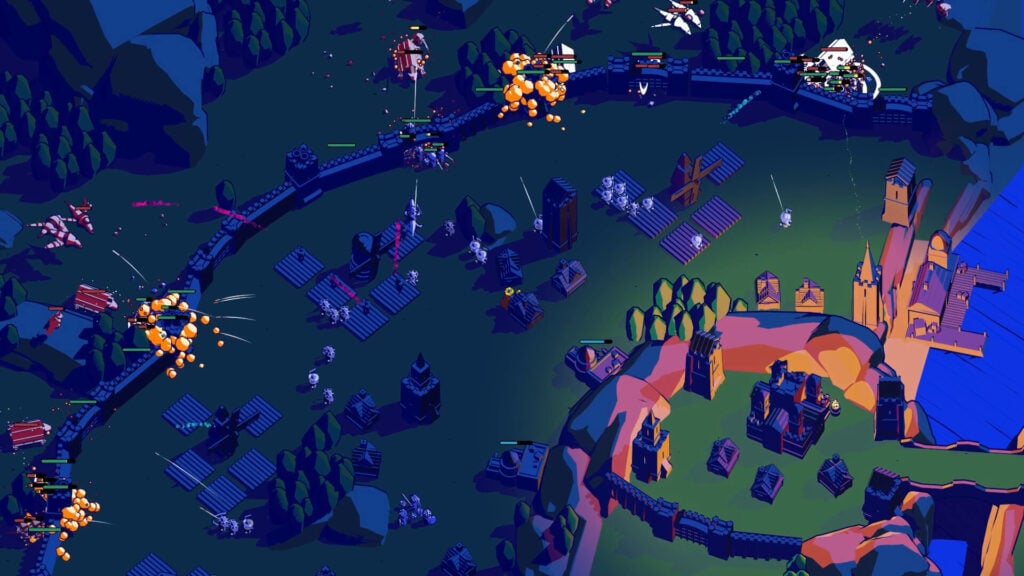
Thronefall strips away the administrative clutter that can make strategy games feel like work. During the day, players spend a limited supply of coins on farms, walls, towers, and soldiers. When night arrives, they personally ride out to help those defenses withstand an enemy wave. Since every purchase occupies a clear place on the map, it’s easy to understand why a plan succeeded or where it failed.
Investing in the economy may pay for a stronger kingdom tomorrow, but a neglected wall might not survive tonight, so even a short level can develop an interesting cycle of risk and reward. Mutators and optional objectives encourage repeat attempts after the basic campaign is complete, while the clean low-poly artwork keeps crowded battles readable. There’s no multiplayer to complicate the experience, with Thronefall being a focused single-player game built equally well for quick sessions and obsessive perfect runs.
Why Kids And Teens Will Love Thronefall: The game delivers the pleasure of building and defending a kingdom without demanding hours of tutorials first. Younger players can grasp the cause-and-effect mechanics quickly, while teens will find considerable depth in its challenge modifiers.
ESRB Rating: E10+
Content Descriptors: Fantasy Violence
Platforms: Nintendo Switch, PC
Players: Single-Player
Total War: Warhammer III Makes Fantasy Warfare Feel Enormous
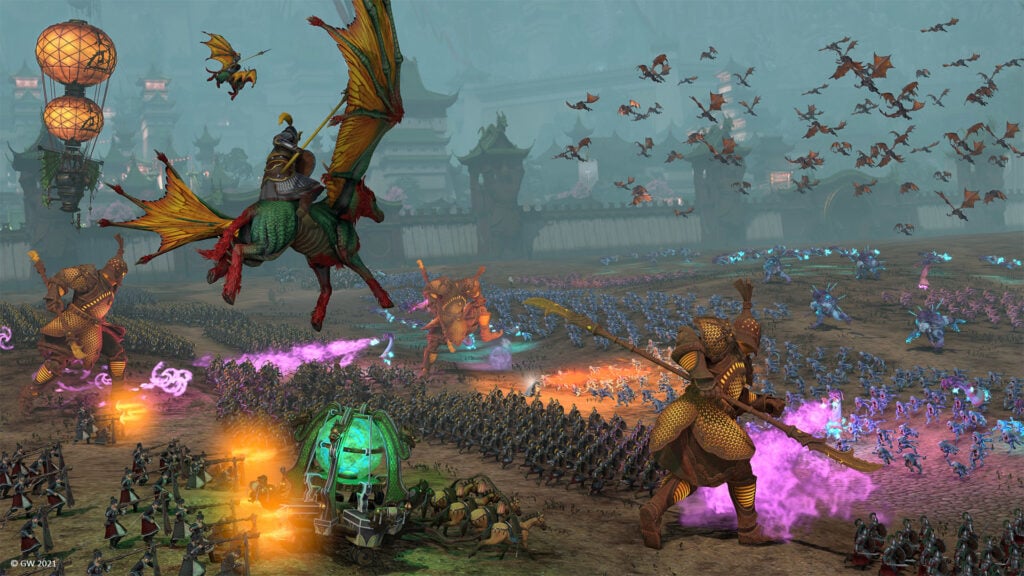
Total War: Warhammer III switches between two very different scales without losing the connection between them. On the turn-based campaign map, players negotiate, develop settlements, and maneuver armies across continents. Once those armies meet, the view descends into real-time battles where hundreds of soldiers collide with dragons, demons, and towering war machines. A clever campaign decision can therefore become a visible advantage when the fighting begins.
The spectacle of the game is immediate, but understanding the many factions, unit matchups, economies, and magical abilities takes patience. For that reason, this is a recommendation for strategy-minded teens who actively want a large system to study. The story campaign offers guidance, while the Immortal Empires mode turns the trilogy’s world into a huge sandbox. Warhammer III can be enjoyed by itself, although owning earlier games and downloadable content unlocks additional factions, making the complete ecosystem considerably more expensive.
Why Teens Will Love Total War: Warhammer III: Few strategy games match its sense of scale or the thrill of watching an unlikely army composition succeed. The game is very complex, occasionally unruly, and best for teens who want to challenge themselves by learning a complicated game.
ESRB Rating: T
Content Descriptors: Blood, Crude Humor, Suggestive Themes, Violence
Platforms: Linux, Mac, PC
Players: Single-Player, Online Multiplayer
Two Point Museum Makes Management Funny Without Making It Shallow
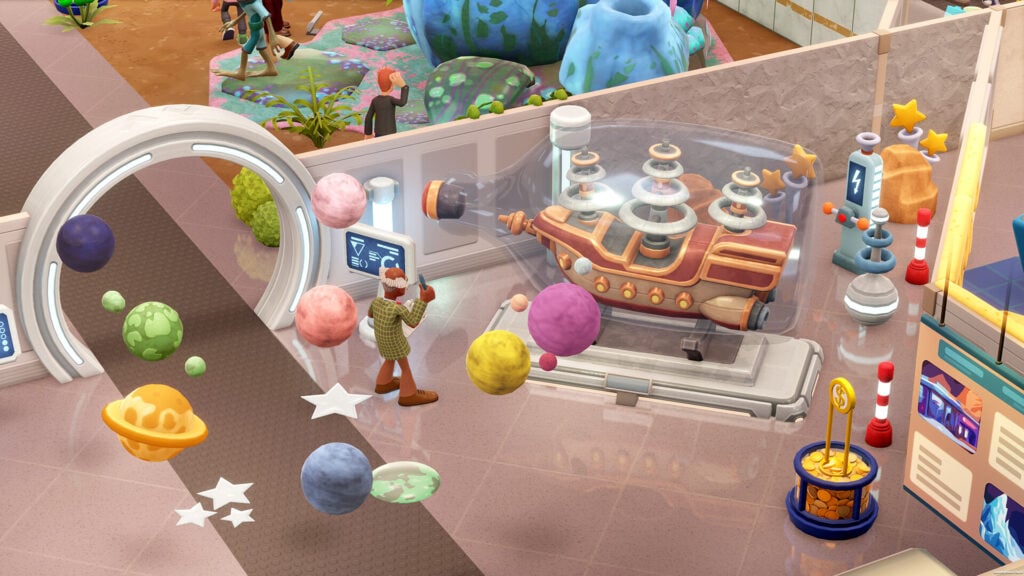
Two Point Museum understands that the funniest disasters are often the ones a player could have prevented. Poorly placing an exhibit may create a crowd that blocks the gift shop, while an understaffed attraction can leave guests bored just as an expensive tour arrives. Because those problems emerge from the museum’s layout, fixing them feels like redesigning a living space rather than clearing notifications from a checklist.
Expeditions introduce another layer of planning by sending experts to recover new displays, however, the campaign teaches each system gradually enough for older kids to follow. And, of course, having everything be accompanied by a healthy dose of humor makes the learning process incredibly fun. Two Point Hospital and Two Point Campus use the same playful management style, so either of them is a sensible next stop for anyone who enjoys curating these eccentric institutions.
Why Older Kids And Teens Will Love Two Point Museum: The museum theme invites creativity, but a beautiful building still has to function. The balance between decoration and problem-solving gives players the pleasure of making a place that looks charming because it has been planned well.
ESRB Rating: E
Content Descriptors: Crude Humor, Mild Language
Platforms: Linux, Mac, Nintendo Switch 2, PC, PlayStation 5, Xbox Series X/S
Players: Single-Player
Age Of Empires II Has A Timeless Strategic Foundation
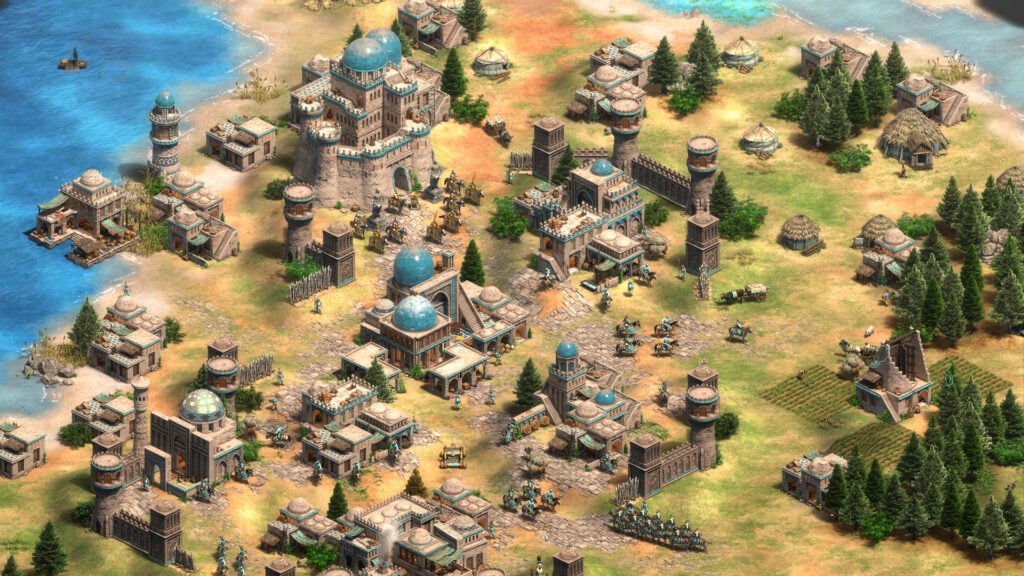
Age of Empires II: Definitive Edition has endured because its economy and warfare continually pull against each other. Villagers gather the resources that fund an army, yet every villager assigned to stone is one less worker producing food or wood. That need for thoughtful decision-making is what makes growth feel purposeful, and it ensures that a bustling town is never separate from the military decisions happening beyond its walls.
The Definitive Edition preserves the original game’s foundation while making the classic easier to approach through clearer visuals, modern controls, and an enormous collection of historical campaigns. Those scenarios aren’t substitutes for a textbook, but they often spark curiosity about the people and conflicts behind them. New players can practice against adjustable computer opponents before trying online competition, where decades of accumulated expertise make the skill ceiling intimidatingly high.
Why Older Kids And Teens Will Love Age Of Empires II: Definitive Edition: The basics produce understandable goals right away, while the interaction between economy, technology, and combat leaves room for constant improvement. AoE II is an especially strong bridge from casual strategy games to traditional real-time competition.
ESRB Rating: T
Content Descriptors: Mild Blood, Mild Language, Violence
Platforms: Mac, PC, PlayStation 5, Xbox One, Xbox Series X/S
Players: Single-Player, Online Multiplayer
Wargroove 2 Packs Serious Tactics Into A Cheerful World
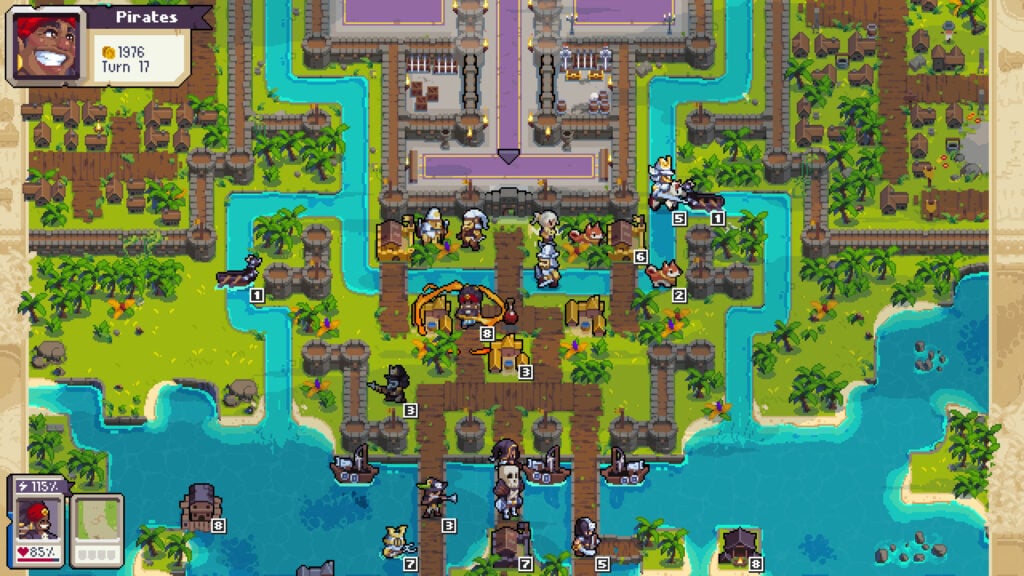
Wargroove 2 uses bright pixel art and charming commanders to make its battlefields look appealing to players both young and old. Whether we’re talking infantry, archers, ships, or flying units, everything has a clear purpose in this game, allowing players to quickly understand a threat as soon as they spot it. From there, terrain and positioning turn those simple relationships into a more demanding contest over villages, roads, and narrow passages.
Commander powers provide each army with a distinctive advantage, although using one recklessly can expose the very leader players need to protect. The campaign introduces these ideas through several connected stories, while Conquest mode rearranges them into shorter runs with consequences that carry from one battle to the next. Wargroove 2 follows the original Wargroove, but can be enjoyed as a standalone game without needing to play the first one.
Why Older Kids And Teens Will Love Wargroove 2: The game has the friendliness of a colorful Nintendo game and the structure of a serious tactical challenge. Players who like Advance Wars will recognize the core gameplay style, but the commander powers and custom maps allow Wargroove to stand out from other strategy games.
ESRB Rating: E10+
Content Descriptors: Fantasy Violence
Platforms: Nintendo Switch, PC, Xbox One, Xbox Series X/S
Players: Single-Player, Local Multiplayer, Online Multiplayer
Valkyria Chronicles 4 Puts Players Directly On The Battlefield
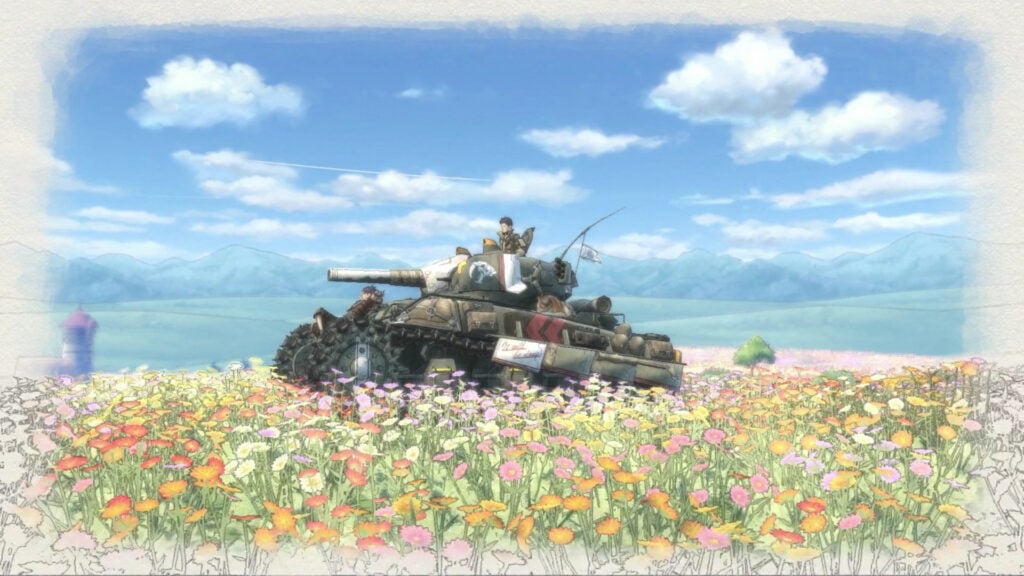
Valkyria Chronicles 4 blends turn-based planning with direct control in a way that makes orders feel tangible. Players start by choosing a soldier from the command map, then proceed to guide that character through enemy fire to reach cover or line up a shot. Because movement consumes a limited resource while bullets continue to fly, even a simple advance carries tension that a static grid rarely creates.
Between missions, distinct squad members form relationships and reveal personal traits that can affect their performance, which gives tactical choices a human dimension. The game’s watercolor presentation softens the edges of a fictional conflict modeled on World War II, but the story still deals with death, sacrifice, prejudice, and the strain war places on young soldiers. Those themes, together with blood and firearm violence, make the game most appropriate for teens.
Why Teens Will Love Valkyria Chronicles 4: Moving each soldier personally creates a stronger connection than issuing commands from a distant menu. The painterly art and earnest cast then give the campaign a personality that stands apart from conventional military strategy games.
ESRB Rating: T
Content Descriptors: Blood, Language, Suggestive Themes, Use of Alcohol and Tobacco, Violence
Platforms: Nintendo Switch, PC, PlayStation 4, Xbox One
Players: Single-Player
Dorfromantik Turns Careful Planning Into A Relaxing Ritual
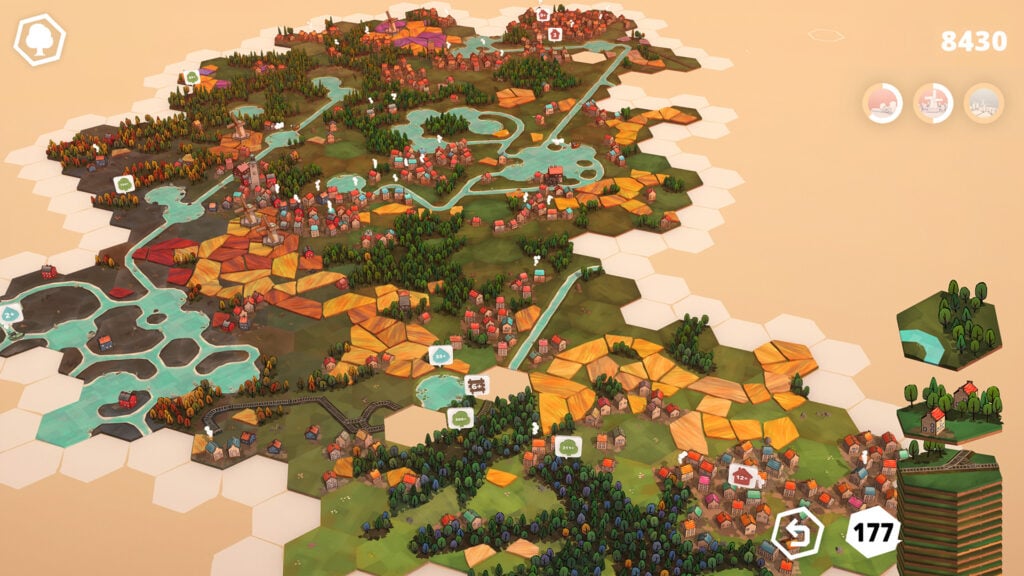
Dorfromantik gives players a stack of hexagonal landscape tiles and enough space to build a quaint piece of countryside they can call their own. Carefully matching forests, fields, villages, and rivers earns more tiles, but players don’t need to micromanage under pressure because the absence of a timer allows each placement to be considered at an unhurried pace. As the map expands, a decision that once seemed decorative can close a railway or create the perfect edge for a future forest.
Dorfromantik’s slow, sometimes methodical pacing is what keeps the game from becoming a digital coloring book. Players are always balancing the immediate reward of a clean match against the possibility that an awkward open side will be useful later. Even when the run ends, the finished landscape still feels like a record of dozens of small decisions players can trace back to their origin. A creative mode removes the tile limit for anyone who would rather build freely, making Dorfromantik one of the easiest strategy games on this list to share with younger children.
Why Kids And Teens Will Love Dorfromantik: The game’s calm music and storybook scenery create a welcoming place to think. The rules are simple enough for children to discover independently, yet efficient tile placement remains engaging for players who care about high scores.
ESRB Rating: E
Content Descriptors: No Content Descriptors
Platforms: Nintendo Switch, PC, PlayStation 4, PlayStation 5, Xbox One, Xbox Series X/S
Players: Single-Player
Age Of Mythology: Retold Gives Classic Strategy A Mythic Personality
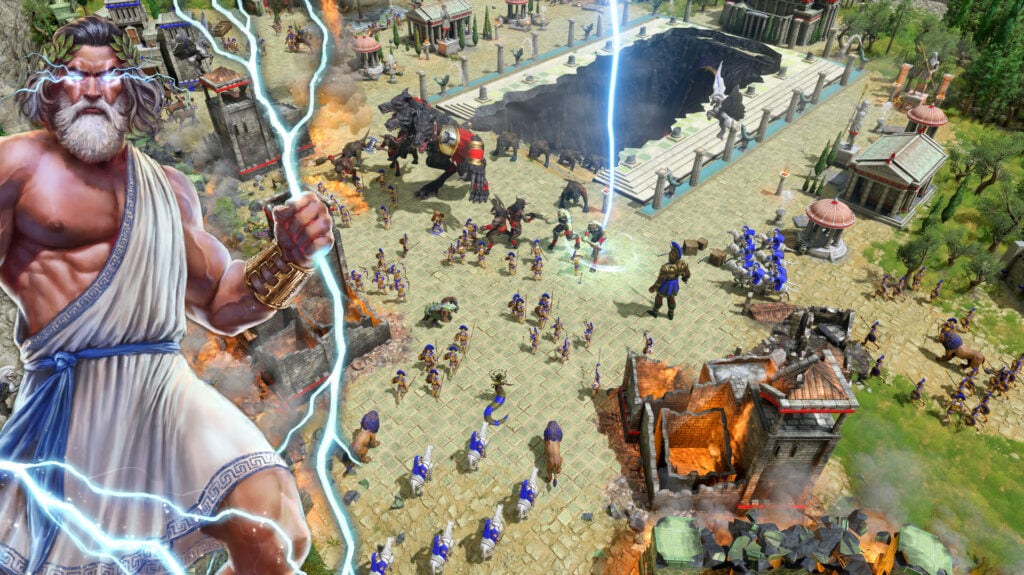
Age of Mythology: Retold takes the familiar structure of Age of Empires and fills it with gods who can overturn a sensible plan in seconds. A well-managed settlement still needs food, wood, and gold, but worship generates favor that brings minotaurs, valkyries, and other mythological units into the army. Divine powers then add spectacular turning points, from restorative rain to a meteor strike capable of tearing through a fortified town.
The campaign makes those ideas easier to absorb by tackling Greek, Egyptian, and Norse myths with a likable group of heroes. Each culture handles faith and development differently, which gives players a reason to rethink their habits instead of following one universal build order. Retold modernizes the 2002 original with clearer presentation and new quality-of-life features, although real-time battles can still become hectic. Online multiplayer is available for confident competitors, while campaigns and computer skirmishes provide plenty to do alone.
Why Older Kids And Teens Will Love Age Of Mythology: Retold: Mythological creatures give economic planning an immediate imaginative payoff, and god powers ensure that battles rarely look ordinary. This is a strong choice for mythology fans ready to learn a traditional real-time strategy game.
ESRB Rating: T
Content Descriptors: Fantasy Violence
Platforms: PC, PlayStation 5, Xbox Series X/S
Players: Single-Player, Online Multiplayer
Dicey Dungeons Makes Bad Luck An Integral Part Of The Gameplay
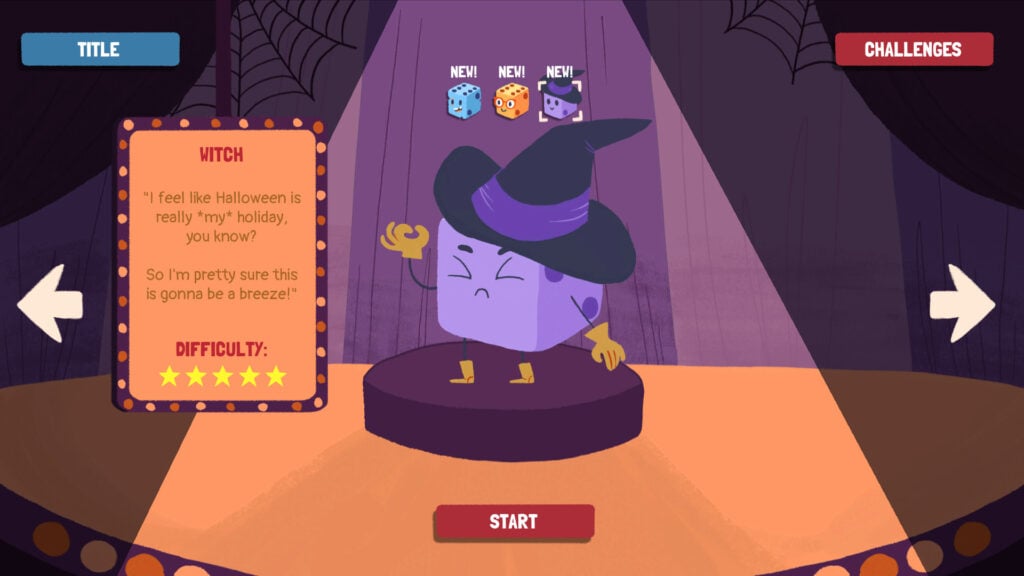
In Dicey Dungeons, players start each turn by rolling dice, but the important decision is where those uncertain results could lead to. A high number might power a strong attack, while a low roll can activate equipment that freezes an enemy or prepares a better future turn. Since nearly every result has some potential value, the game teaches players to always make the best of the hand they are dealt instead of waiting for perfect luck.
The game’s six contestants reinterpret the core mechanic in clever ways. The Robot risks losing a turn by pushing its luck, for example, while the Inventor regularly converts old equipment into temporary gadgets. Later episodes alter the rules again, allowing familiar characters to feel newly unpredictable without requiring a new tutorial. The colorful paper-cutout art and energetic soundtrack keep repeated runs lively. Meanwhile, the relatively short dungeons soften the disappointment of defeat. There’s randomness throughout, but smart preparation has enough influence to make improvement feel real.
Why Kids And Teens Will Love Dicey Dungeons: The game turns basic arithmetic into a flexible tactical tool without feeling like an educational exercise. The humor makes it approachable for kids, whereas the increasingly strange rule variations give teens a deeper puzzle to master.
ESRB Rating: E10+
Content Descriptors: Fantasy Violence
Platforms: Android, iOS, Linux, Mac, Nintendo Switch, PC, PlayStation 4, PlayStation 5, Xbox One, Xbox Series X/S
Players: Single-Player
SteamWorld Heist II Rewards The Perfect Trick Shot
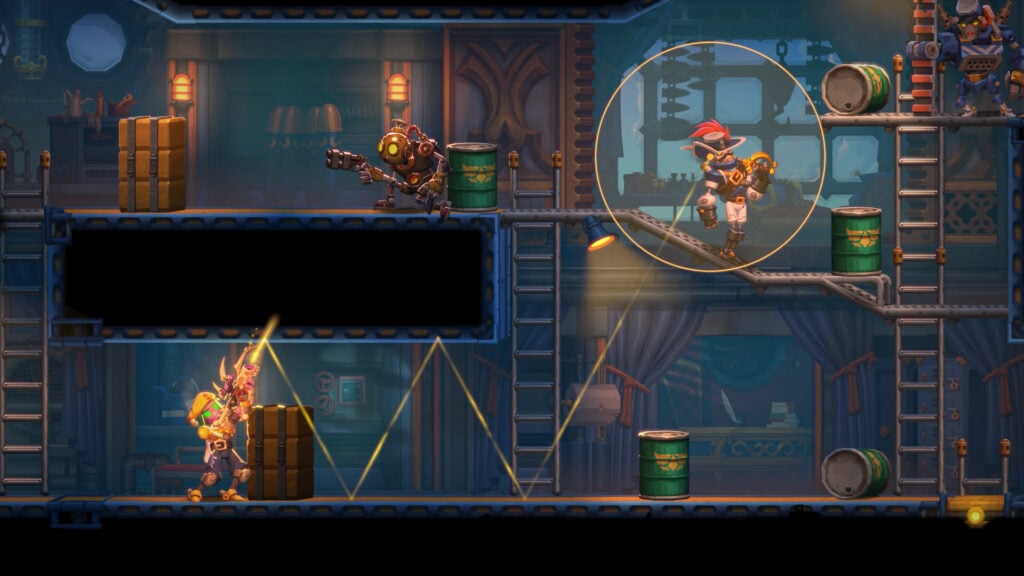
SteamWorld Heist II does things differently from other games by allowing players to manually aim every shot, turning a tactical decision into a small feat of geometry. Depending on the angle, a bullet can ricochet from a ceiling, slip behind an enemy’s cover, and knock off a metal hat before reaching its target. Because success depends on both positioning and execution, the battles feel more physical than the percentages and grids found in many turn-based games.
A character’s weapon determines the role they’re learning, so changing equipment can reveal a new specialty without discarding progress made elsewhere. That freedom encourages players to solve problems with the crew they already enjoy. Between missions, a submarine lets players explore a bright mechanical ocean whose cheerful surface gradually gives way to a more substantial mystery. The sequel stands on its own, though the original SteamWorld Heist remains worth visiting for another set of tightly designed ricochet battles.
Why Older Kids And Teens Will Love SteamWorld Heist II: A clever shot produces instant satisfaction, especially if it first ricochets a couple of times before finally hitting its intended target. Difficulty options make the campaign welcoming, and the expressive robot crew keeps the long journey personable.
ESRB Rating: E10+
Content Descriptors: Fantasy Violence, Mild Language
Platforms: Nintendo Switch, PC, PlayStation 4, PlayStation 5, Xbox One, Xbox Series X/S
Players: Single-Player
Anno 1800 Makes Supply Chains Surprisingly Compelling

Anno 1800 is a strategy game that, in many ways, tells the story of a journey from a farm to a crowded city. Along the way, grain becomes flour, flour becomes bread, and that bread supports workers whose changing needs demand an increasingly elaborate network of production. When one link fails, the shortage ripples through the settlement, so diagnosing a problem can be as satisfying as constructing a new district.
The result is a city-builder where beauty and efficiency constantly negotiate. Trade routes eventually connect islands and regions, turning a local shortage into a larger logistical puzzle. The campaign offers direction, but the number of resources and overlapping systems make Anno 1800 best for teens who enjoy sustained concentration. Online multiplayer is optional, and the console edition omits the PC version’s many expansion packs, so content differs by platform.
Why Teens Will Love Anno 1800: Watching a complicated economy run smoothly is immensely rewarding because every ship, warehouse, and factory serves a visible purpose. The game is demanding without becoming as impenetrable as the grandest grand-strategy games.
ESRB Rating: T
Content Descriptors: Alcohol and Tobacco Reference, Language, Mild Violence
Platforms: PC, PlayStation 5, Xbox Series X/S
Players: Single-Player, Online Multiplayer
Marvel’s Midnight Suns Finds Strategy In Superhero Teamwork
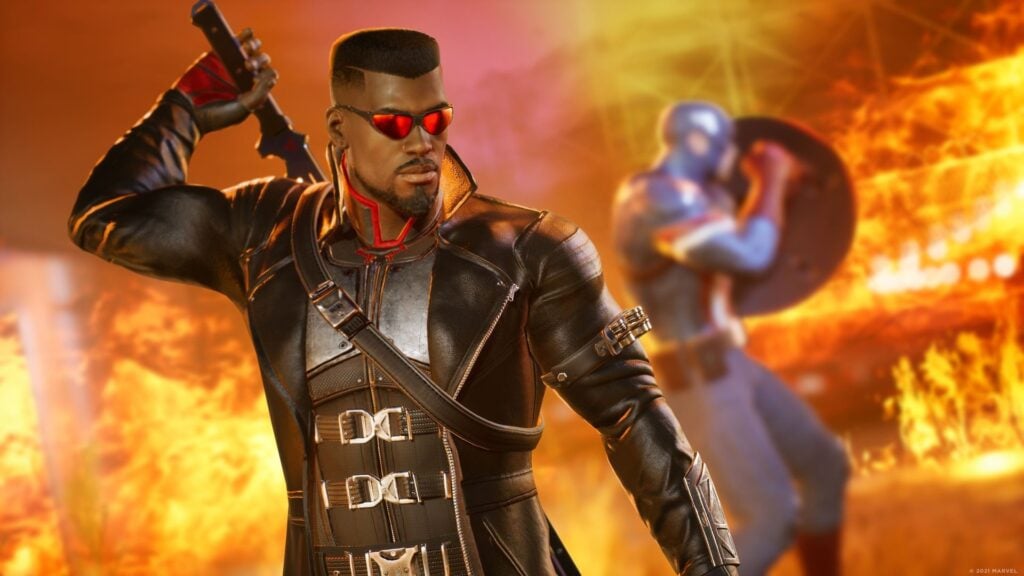
Marvel’s Midnight Suns treats superhero combat as a problem of coordination that can be solved by combining various superpowers. Each turn deals a hand of ability cards drawn from the heroes in the current squad, so players must create a plan from the tools available instead of spamming the same attacks over and over. Knockbacks make walls, explosive objects, and other enemies part of that strategy, which gives every arena its own tactical possibilities.
Life at the Abbey then provides a bit of a relaxing counterpoint. Conversations, clubs, and shared activities reveal sides of familiar heroes that rarely appear during a battle, and stronger friendships unlock practical benefits without reducing the relationships to a meter. Some players may find these social sections overly talkative, but they give the team a warmth that carries back into combat. The supernatural story includes mild blood, language, and darker demonic imagery, making Midnight Suns a better fit for teens.
Why Teens Will Love Marvel’s Midnight Suns: The game captures the pleasure of assembling a superhero team while asking players to improvise and not rely on memorizing a fixed sequence. The friendship stories make each lineup feel personal, particularly for teens already attached to Marvel’s characters.
ESRB Rating: T
Content Descriptors: Language, Mild Blood, Violence
Platforms: PC, PlayStation 4, PlayStation 5, Xbox One, Xbox Series X/S
Players: Single-Player
Mini Motorways Turns Traffic Into A Beautifully Clear Puzzle
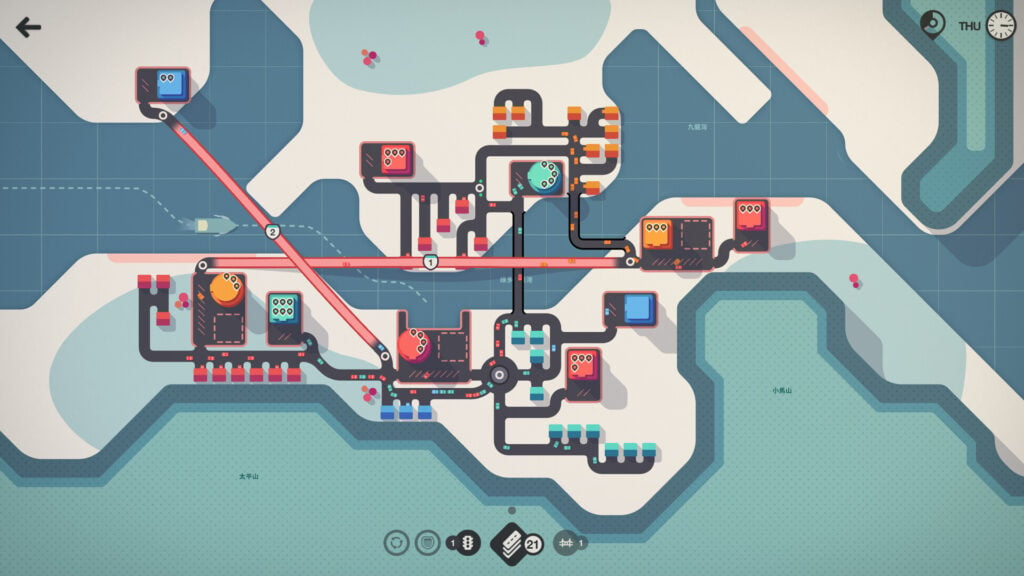
Mini Motorways begins with a few houses, a destination, and a road drawn between them. Soon after, new buildings will start appearing in inconvenient places, and that tidy neighborhood becomes a network of intersections competing for limited asphalt. Because the visual language is so clean, players can watch congestion form and understand how yesterday’s convenient shortcut became today’s bottleneck.
The game hands out a small selection of upgrades at the end of each week, which turns every motorway, bridge, and roundabout into a commitment. Redrawing roads is always possible, but construction pauses only briefly before the city resumes growing, so a sustainable design is more important more than a pretty one. Daily and weekly challenges add shared rules and online leaderboards, although the standard maps can be played alone without engaging with them.
Why Kids And Teens Will Love Mini Motorways: The controls are nearly effortless, leaving players free to concentrate on design and efficiency. A collapsing road network is easy to understand, and finding the one change that restores the flow feels wonderfully clever.
ESRB Rating: E
Content Descriptors: No Content Descriptors
Platforms: Apple Arcade, Mac, Nintendo Switch, PC
Players: Single-Player, Online Leaderboards
Advance Wars 1+2 Makes Military Strategy Easy To Read
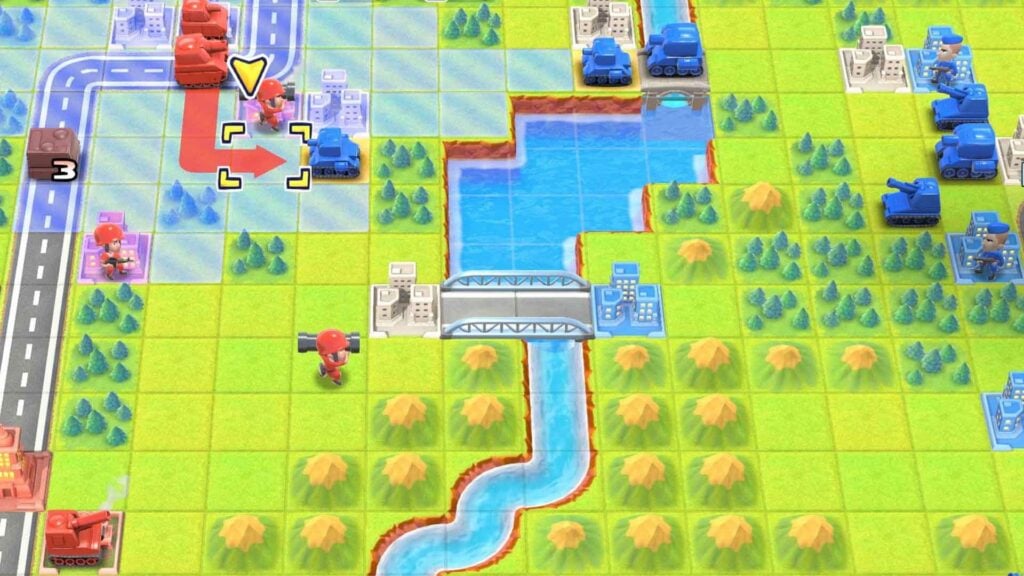
Advance Wars 1+2: Re-Boot Camp presents tanks, helicopters, submarines, and infantry like pieces in a bright tabletop game. Their relationships are clear enough to learn through experimentation, while terrain and fuel prevent those matchups from becoming a simple game of rock-paper-scissors. Capturing a distant city may provide the income needed to win later, but protecting the soldier sent there creates an immediate tactical problem.
The two remade campaigns build on those fundamentals with distinct commanders whose powers can change the weather, repair an army, or create a sudden offensive. Their exaggerated personalities keep the tone playful, although some missions become surprisingly demanding and may require restarting with a better opening plan. The package recreates the first two Game Boy Advance entries, so it works as both an introduction and a substantial series collection. Local multiplayer supports up to four players on custom maps, while online battles are limited to two-player matches against friends.
Why Kids And Teens Will Love Advance Wars 1+2: Re-Boot Camp: Every unit communicates its purpose clearly, allowing young players to think several turns ahead without decoding a complicated interface. The cheerful presentation keeps losses light, even when the later maps demand serious planning.
ESRB Rating: E10+
Content Descriptors: Mild Violence
Platforms: Nintendo Switch
Players: Single-Player, Local Multiplayer, Online Multiplayer
Bloons TD 6 Hides Serious Depth Behind Cartoon Chaos
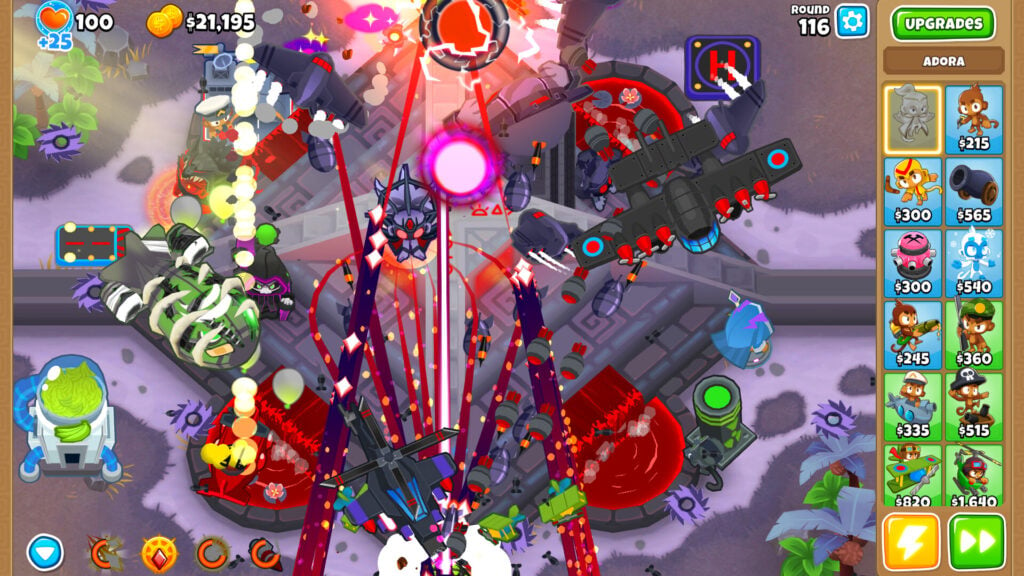
Bloons TD 6 revolves around a pretty comical premise. Namely, colorful balloons follow a path and a team of monkeys must stop them before they escape. That simplicity gives younger players room to experiment with placement, but the three upgrade paths available to each tower ensure that early choices keep developing. For instance, a dart monkey beside the entrance can eventually serve a very different purpose from one guarding the final corner.
Later maps reveal just how much strategy is hiding beneath the silliness. Limited sight lines, unusual routes, and stronger balloon types force players to reconsider reliable combinations, while heroes grow during a match and anchor broader plans. The standard game includes optional purchases and advertisements for its own currency on some platforms, though progress doesn’t require spending additional money. The Apple Arcade version, Bloons TD 6+, removes those purchases.
Why Kids And Teens Will Love Bloons TD 6: The popping effects make every defense immediately satisfying, while the huge number of viable combinations gives committed players far more to discover than the playful artwork suggests. The game is easy to get into and surprisingly difficult to exhaust.
ESRB Rating: E
Content Descriptors: Mild Fantasy Violence
Platforms: Android, Apple Arcade, iOS, Mac, Nintendo Switch, PC, PlayStation 4, Xbox One, Xbox Series X/S
Players: Single-Player, Online Multiplayer

