

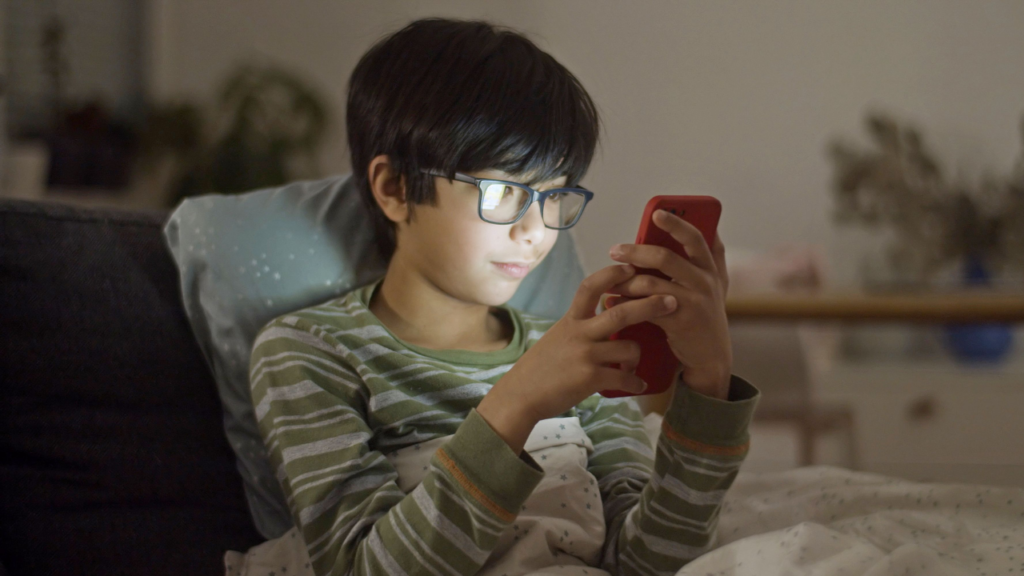
Short-form videos on TikTok, Instagram Reels and YouTube Shorts are designed to keep users watching one video after another, but pediatrician Allison Hensley, MD, says parents should understand what that constant stimulation can mean for children. Hensley explains that short-form content can make it harder for kids to tolerate slower-paced activities and may affect attention, emotional regulation and sleep.
Importantly, Hensley does not suggest that watching a few short videos permanently “rewires” a child’s brain. Instead, she emphasizes that developing brains are highly adaptable and that repeated habits can influence how children learn to focus, regulate emotions and seek stimulation.
For parents, that distinction matters. The concern isn’t necessarily one particular video, but the possibility that hours of rapid-fire content could displace sleep, physical activity, face-to-face interaction, creative play and other experiences children need for healthy development.
Should Kids Avoid Short-Form Videos?
The answer isn’t necessarily an absolute ban. Harvard Medical School’s Michael Rich argues that “It’s not how long we’re using screens that really matters; it’s how we’re using them and what’s happening in our brains in response.”
That means parents should consider what short-form videos are replacing. If scrolling regularly cuts into sleep, homework, outdoor play, family conversations or hobbies, the habit deserves attention.
Sleep is particularly important because screen use before bedtime can interfere with melatonin and sleep patterns. Rich also describes much digital stimulation as “impoverished” compared with real-world experiences, reinforcing the importance of giving children a varied mix of online and offline activities.
Parents Can Get Caught in the Scroll, Too
Children aren’t the only ones vulnerable to social media’s design. During adolescence, brain regions associated with seeking attention and social rewards become particularly sensitive, while the areas responsible for mature self-control continue developing into adulthood.
The APA notes that these changes begin around age 10, while research has found that social-media use can activate the brain’s reward system. As Mitch Prinstein explains, social media activity is closely tied to the ventral striatum, producing “a dopamine and oxytocin rush” when users receive social rewards.
Parents can model healthier habits by putting their own phones away during family time, establishing screen-free periods and discussing what children encounter online. Psychology Today found that 178 sixth- and seventh-grade students who were followed for three years showed differences in brain development based on how habitually they checked social media, including increased sensitivity to social cues among frequent checkers.

