

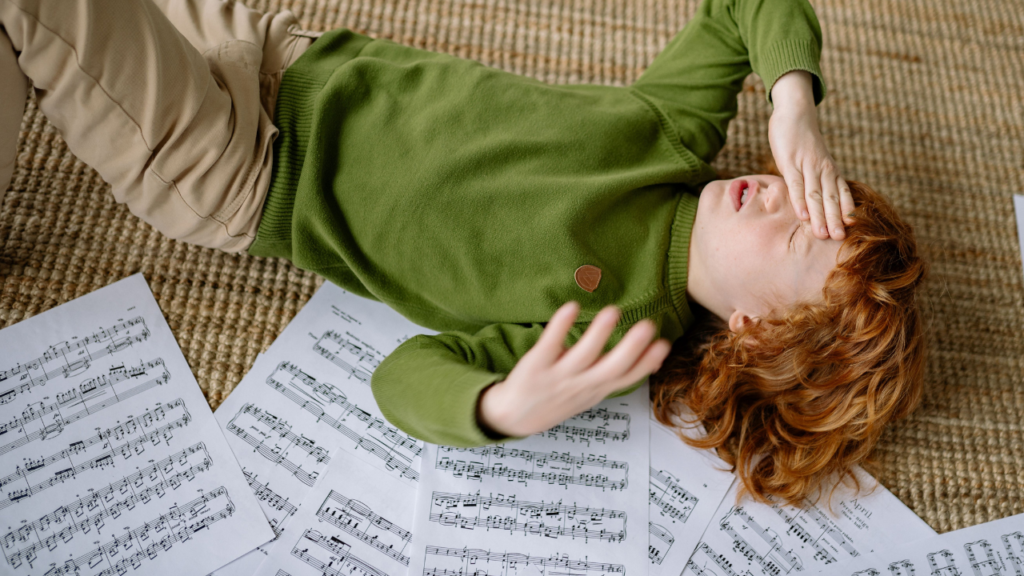
Kids can have big reactions to things that seem completely ordinary to adults. A noisy restaurant, crowded classroom, scratchy clothing or a busy day can sometimes leave a child overwhelmed, irritable or ready to melt down—and sensory fatigue may be part of the reason.
Sensory fatigue happens when a child becomes overwhelmed by the amount of sensory information coming from their surroundings. Noise, movement, touch, bright lights and even emotional stimulation can build up, leaving children feeling worn out and unable to regulate their reactions.
The signs aren’t always obvious. First Things First notes that an overwhelmed child may “cry more, have trouble with changes or seem extra active,” while other children may become tense, irritable or desperate for a quieter environment.
Sensory processing issues can look different from child to child. The Child Mind Institute says some children are hypersensitive and become overwhelmed by sensory input, while others are hyposensitive and seek additional stimulation by touching, bumping or crashing into things.
How Common Are Sensory Issues in Kids?
There’s no single number that captures how prevalent sensory difficulties are among all children, partly because research populations and definitions vary. A 2013 study of 59 preschool-aged children receiving clinical services found that 55.9% were rated as having definite sensory processing difficulties, compared with 2% in the original community sample used to establish one set of screening criteria.
That figure shouldn’t be interpreted as the percentage of all children who experience sensory difficulties. The study specifically involved children attending an outpatient clinic for developmental and behavioral concerns, making its population very different from the general child population.
A separate USC-led study followed more than 1,500 children for six years and found that 3% had an “Elevated—All Worsening” sensory trajectory. Among that group, 82% had an autism diagnosis or elevated autistic traits by ages 3 to 6, highlighting an association rather than proving that sensory difficulties cause autism.
How Parents Can Recognize and Help
Parents can start by watching for patterns. If meltdowns, irritability, avoidance or unusually active behavior repeatedly appear after noisy, crowded or otherwise stimulating situations, sensory overload may be worth discussing with a healthcare provider.
During an overwhelming moment, reducing stimulation can help. First Things First recommends simple strategies such as taking slow breaths, moving somewhere quieter, offering a favorite toy or book, holding hands or practicing a calming routine together.
Most importantly, parents don’t need to “fix” every sensory reaction. As one expert quoted by the Child Mind Institute explains, “They’re actually having a neurological ‘panic’ response to everyday sensations the rest of us take for granted.” Recognizing that possibility can help parents respond with patience rather than assuming a child is simply misbehaving.

