

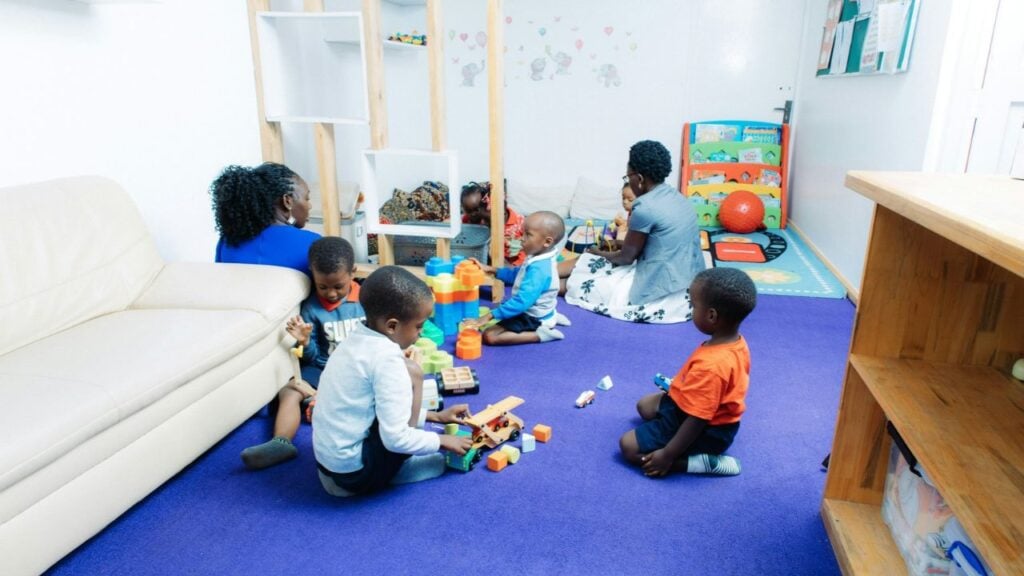
While toys help children learn and explore their world, some can pose a choking hazard.
Small parts, loose parts and broken toys can pose risks parents may not realise. By knowing the age range and checking your toys regularly, you can reduce risk for your family, especially if you have children of different ages.
1. Toys With Small or Detachable Parts
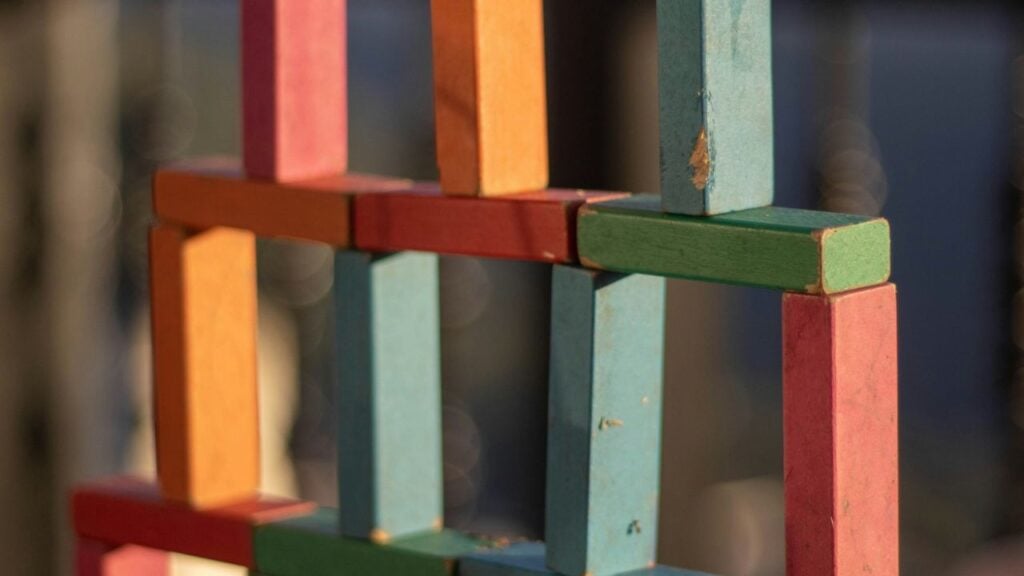
Toys like building blocks, small figures, beads and toys with parts can create a choking risk to young children. Wheels, buttons and eye parts can come off during play.
Check the age recommendation when buying toys and regularly check for loose parts or broken pieces. Keep older toys out of siblings’ reach.
2. Toys Containing Button Batteries
Some toys with lights, music or electronic features can use round button batteries. These can cause damage if swallowed.
Ensure that there are no batteries in the battery compartment, and that the compartment is secured with a tool. If toys have batteries or broken battery covers, keep them out of reach. If you suspect your child has swallowed a button battery, seek emergency attention.
3. Toys With Small Magnets
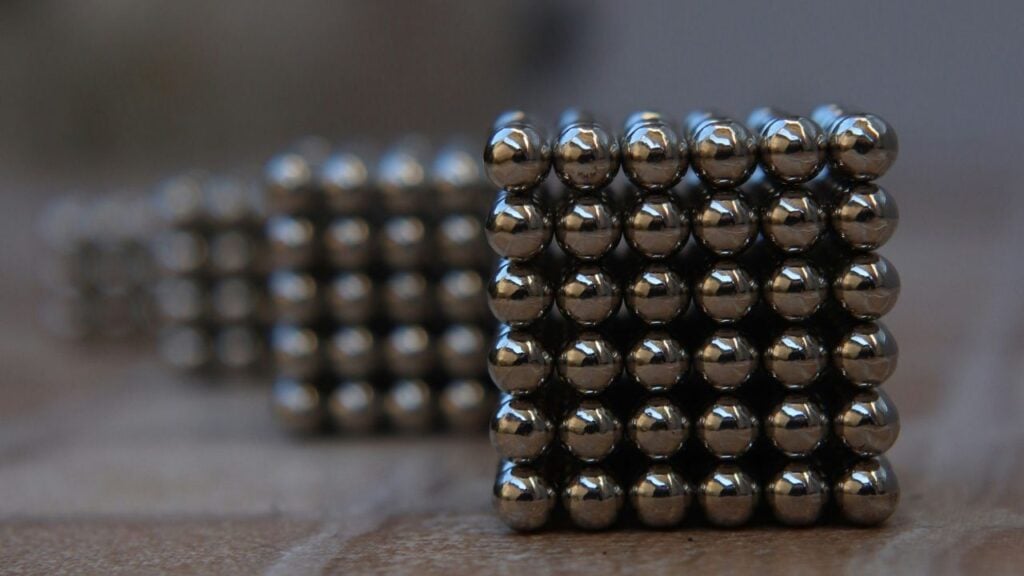
Magnetic building toys and other magnetic toys can be dangerous if parts are swallowed. If multiple strong magnets are swallowed, they can stick together inside the body and cause damage.
Make sure no parts are missing from any magnetic toys. Keep magnets away from young children. If you suspect your child has swallowed any magnets, seek medical attention.
4. Marbles, Small Balls and Balloon Pieces

Marbles, small balls and broken balloon parts can pose a choking hazard for babies and toddlers. These can block their airways.
Keep balls and marbles away from children under 3. Throw away any deflated balloons. After playing, check the floor for any parts.
5. Stuffed Toys With Loose Parts
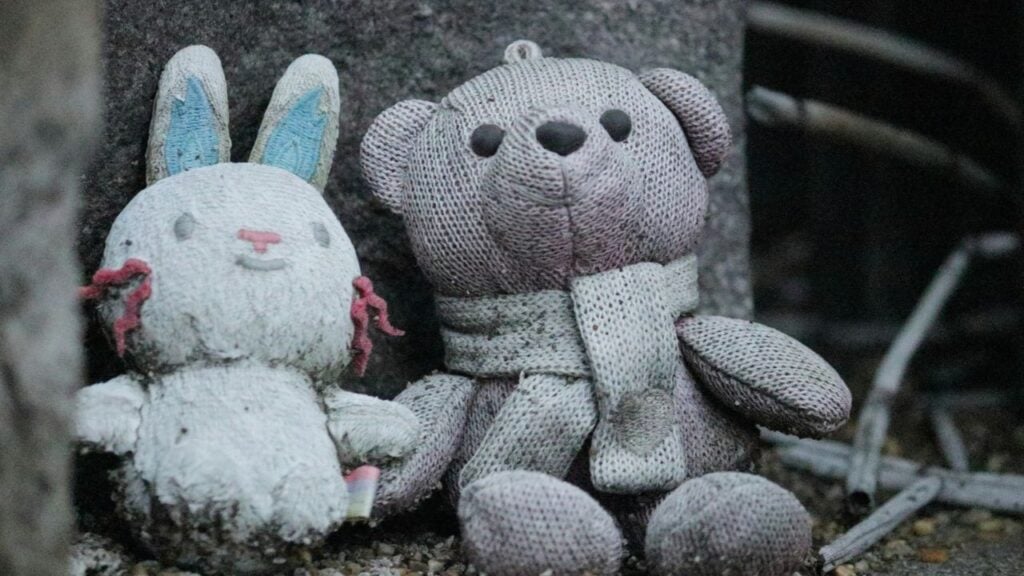
Plush toys can seem harmless; however, eyes, noses, buttons and other adornments can come off if they aren’t securely attached. If seams are loose, stuffing may come out or small parts could be swallowed.
Check toys for loose seams, broken fabric and detachable parts. If the toy is coming apart, remove it from the child until it can be safely fixed or thrown away.
6. Broken or Damaged Toys
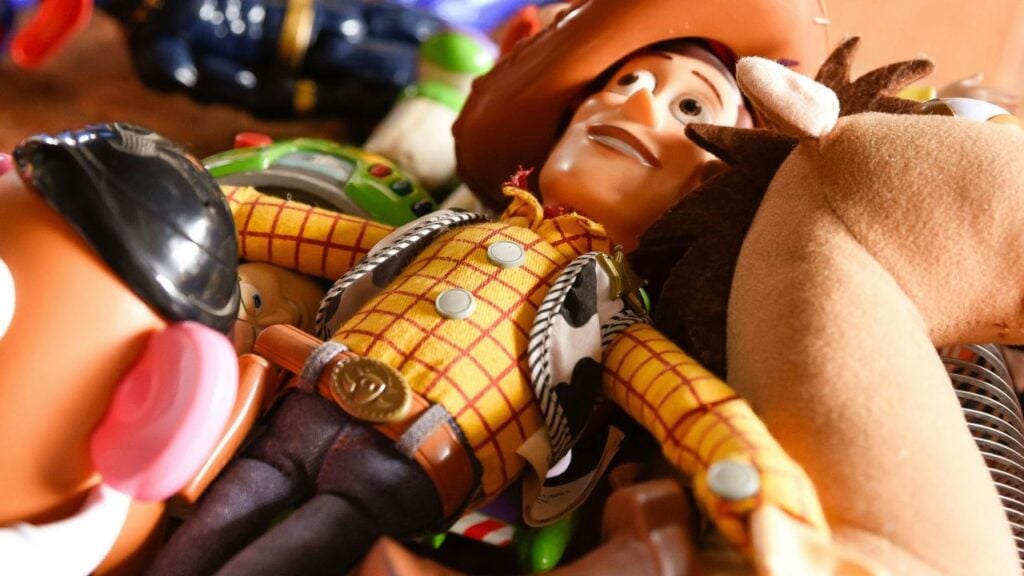
Toys can become dangerous after use. Cracked plastic, wheels, exposed wires, and broken parts can create choking hazards or sharp edges.
Regularly check toys. Don’t let children play with broken toys. It can also help to check for official recalls before buying second-hand toys.
How Can Parents Make Toy Play Safer?
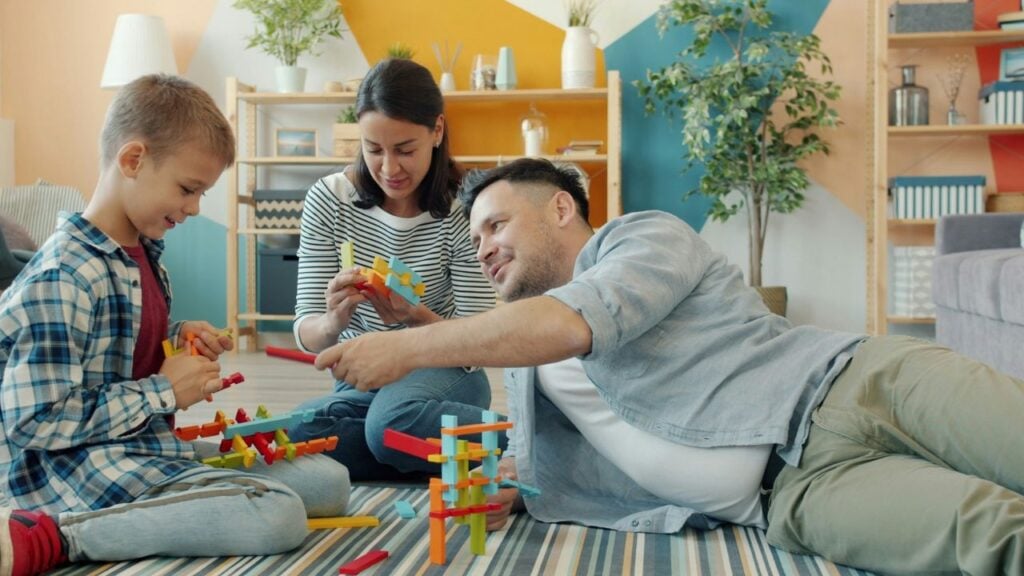
A few simple habits can help reduce toy-related risks:
- Check age recommendations: Choose toys that match the child’s age and abilities.
- Inspect toys regularly: Look for loose parts, damaged seams, cracks, and exposed batteries.
- Separate toys by age: Keep older children’s toys with small components away from younger siblings.
- Store toys safely: Put small pieces away after playtime and keep them out of reach.
- Supervise young children: Watch closely when children play with toys with detachable parts.
- Check for recalls: Review official safety notices before buying toys and when concerns arise.
Choosing age-appropriate toys and checking them regularly can help make playtime safer without taking the fun out of childhood.

