

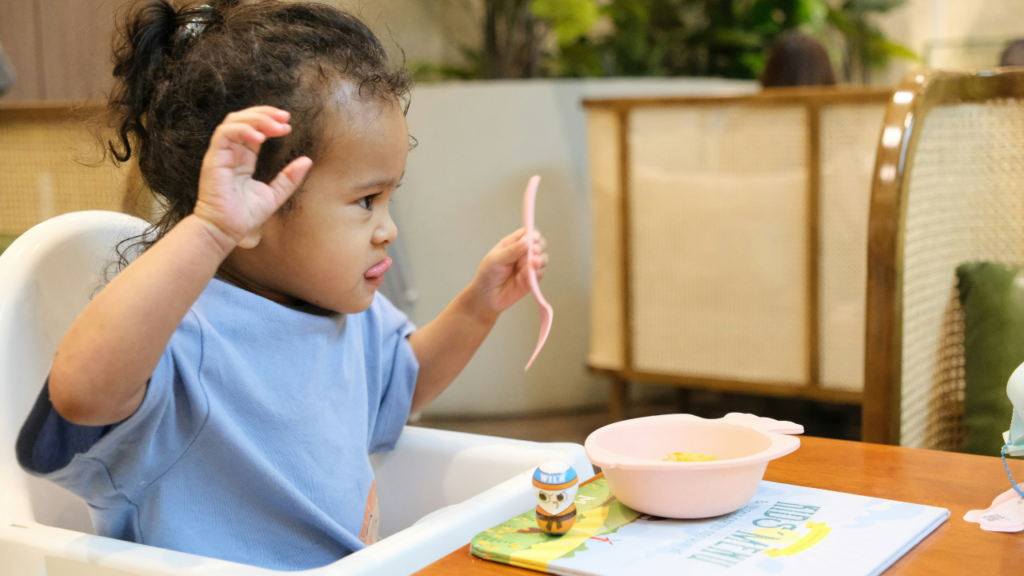
Holiday meals are supposed to bring families together, but they can become stressful when a child refuses to eat anything beyond their usual favourites. Between unfamiliar dishes, relatives asking questions and pressure to clean their plates, picky eaters can make festive gatherings challenging for parents.
The good news is that one holiday meal of chicken nuggets, plain rolls or macaroni and cheese is unlikely to cause lasting harm. Experts recommend including at least one familiar food your child enjoys, allowing them to choose what goes on their plate and keeping mealtime conversations positive.
Parents may also need to manage well-meaning relatives who comment on a child’s eating habits. Rather than turning dinner into a confrontation, families can focus on enjoying time together and making children feel comfortable at the table.
Why Do Kids Become Picky Eaters?
Picky eating is often a normal part of childhood development, particularly as toddlers become more independent. The Children’s Hospital of Philadelphia explains that children commonly go through a picky phase between ages two and four, partly because being cautious about unfamiliar foods can be a natural protective instinct.
Research discussed by Harvard Health found that picky eating among children ages four to nine tended to persist over time. Researchers also identified connections between picky eating, difficulty regulating emotions and strict parental approaches to food.
That doesn’t mean parents are to blame. Harvard pediatrician Claire McCarthy explains that “All children are picky eaters at some point or in some way during childhood,” noting that food refusal can be one way children assert their independence. .
How Can Parents Encourage Picky Eaters to Try New Foods?
Patience and repeated exposure are key when introducing unfamiliar foods. CHOP psychologist Katherine Dahlsgaard notes that research suggests children may need to encounter a new food “eight to 15 times” before accepting it, while parents often give up after just three to five attempts.
Parents can start with small portions, pair unfamiliar foods with favourites and invite children to help prepare holiday dishes. Avoid forcing bites or making dessert a bargaining tool, since pressure can turn mealtimes into a struggle.
Keep routines predictable and celebrate curiosity rather than how much a child eats. If food refusal becomes extreme or affects nutrition, growth or family activities, consider speaking with a pediatrician or feeding specialist.

