


Scroll through social media for a few minutes and a parent is likely to land on a post about baby sleep, picky eating or fever remedies. Some of the advice is sound. Some is not, and it can be hard to tell which is which.
A study suggested many parents are doing just that. Researchers surveyed 85 parents attending child and youth health visits at a health center in March and April 2024. Of those, 48 or 56.5 percent, said they use online platforms to find health information about their children.
Where Parents are Looking For Medical Information For Their Kids

Among the 48 parents who go online, 28 preferred general websites. Thirteen relied on Instagram, six on Facebook and one on YouTube. Mothers and parents with higher levels of education were significantly more likely to search online, the study found.
The most common topics were general pediatrics, child development and nutrition. Despite the habit, 45 of the 48 parents or 95.8 percent, said they turn to a health professional when the information they find conflicts.
The authors concluded that online platforms act as a supplement to medical advice, not a replacement.

The study also warned that misinformation on these platforms can put children at risk. They called for stronger digital literacy and closer collaboration between health care providers and online platforms.
How To Spot a Shaky Post on Social Media?
Here is a list of a few things that parents should be aware of before believing any social media medical information regarding kids.
1. Check Who is Behind It

A pediatrician, nurse or hospital account is different from an anonymous page or an influencer selling supplements. Credentials can be faked, so look for a name and a track record.
2. Be Wary of Big Promises
Claims of a miracle cure, or that doctors are hiding the truth, are red flags. Children’s health rarely comes down to one trick or product.
3. Look For Sources
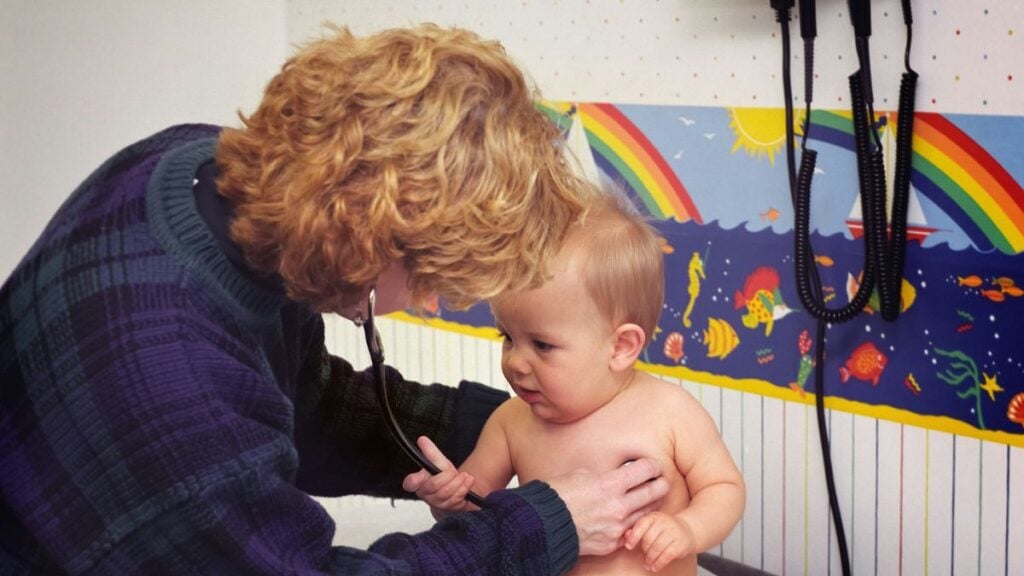
Reliable posts point to a guideline, study or health agency. If a post cites nothing, treat it as an opinion.
4. Cross-Check Information
Compare the advice with a trusted source, such as a pediatrician’s office, a children’s hospital or a national health agency. If they disagree, trust the professionals.
5. Check The Date of Information
Medical guidance changes, and an old video may no longer reflect current recommendations.
6. Know When To Call The Doctor
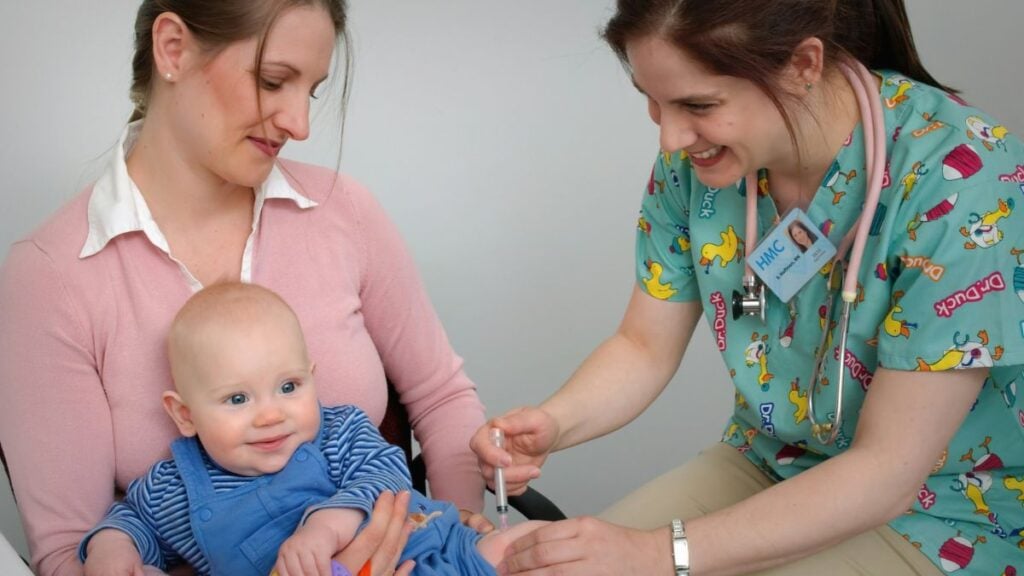
Social media can be a starting point for questions, not a stand-in for an exam. Parents should not delay care, skip a treatment or change a medicine dose because of something they saw online.
Bringing a post to the pediatrician is a simple way to check it. Questions about a baby’s fever, breathing or feeding should go to a doctor, not a comment section.

