

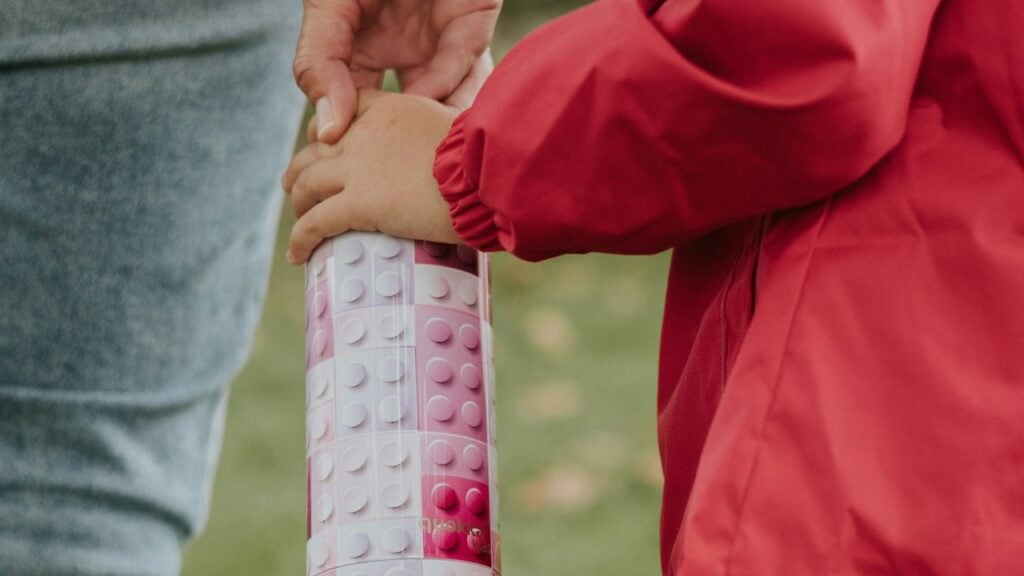
Child-resistant packaging helps prevent accidental poisoning in young children. This packaging is designed to make things harder for children under the age of 5 to open.
It is commonly used on medications, cleaning products and some household chemicals. The packaging makes it easier for adults to access the items while making it more difficult for children to access them.
The packaging will help reduce the risk of accidental exposure to children. However, it is not completely child-proof. Parents should store potentially dangerous items safely.
What Is Child-Resistant Packaging?

Child-resistant packaging makes it difficult for children under 5 to open a container or access a hazardous amount of the contents for any length of time. Adults still need to be able to open it, so the design has to be a compromise.
The Poison Prevention Packaging Act (PPPA) of 1970 established requirements for special packaging on certain household substances. Those include prescription medicines, OTC drugs and household chemicals.
The intent is to reduce the number of accidental poisonings in young children. The extra barrier gives adults time to notice and intervene if a child tries to open a container.
How Does Child-Resistant Packaging Work?
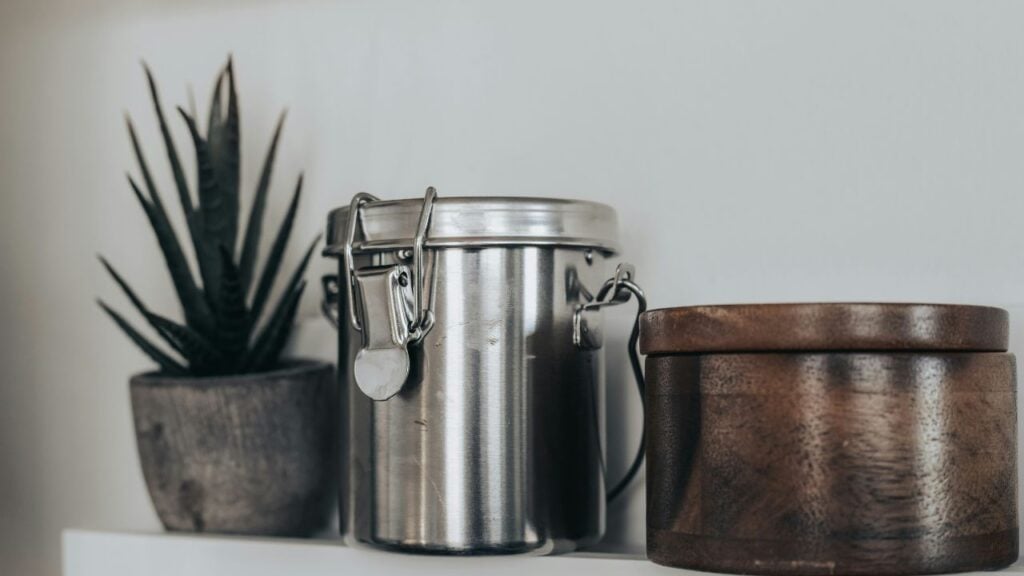
Different designs use mechanisms that delay the child’s access to these products by making the lid difficult to open. Common examples include:
- Push-and-turn caps: The cap has to be pushed down as it’s turned. These are the most common type on medicine bottles.
- Squeeze-and-turn closures: Certain parts of the cap must be squeezed before it can be twisted.
- Blister packs: Each dose is sealed behind a piece of foil or plastic that has to be peeled or pushed through.
- Locking flip-top closures: A locking tab must be released before the lid opens.
- Child-resistant pouches: Special materials or openings that require more than one action.
Which Household Products Should Parents Keep Out of Reach?
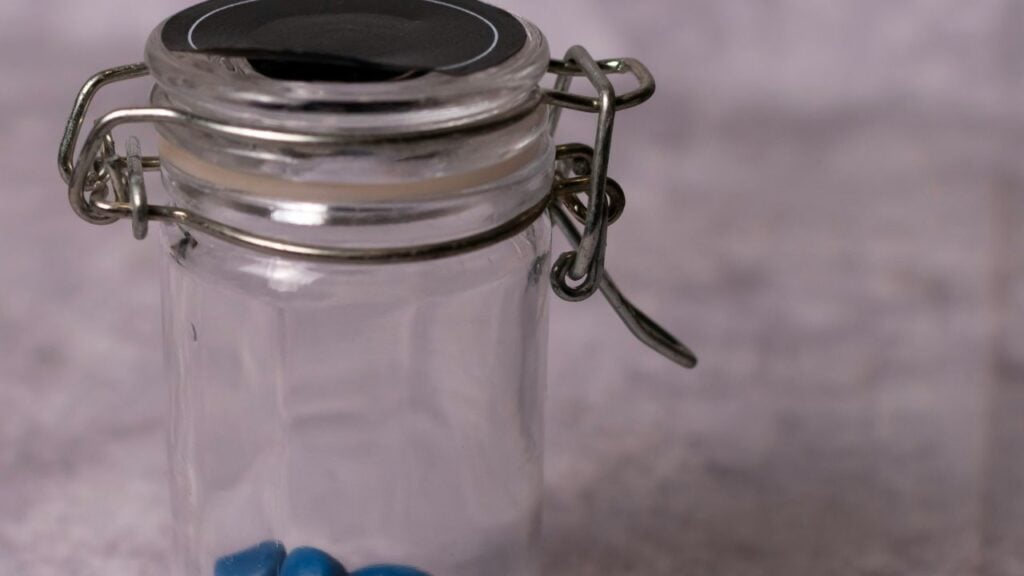
There are a variety of products that could cause poisoning or injuries if swallowed by children. Parents should be cautious with:
- Medications and vitamins: Store prescription medications, over-the-counter medications and supplements safely. Handle iron products with extra care.
- Cleaning products: Store laundry detergents, drain cleaners, toilet cleaners and other household chemicals in locked or out-of-reach containers.
- Personal care products: Certain makeup, concentrated essential oils and products with active chemical ingredients can be harmful if swallowed.
- Car and garden products: Antifreeze, windscreen wash, insecticides and paint thinners should never be left within reach.
- Cannabis products: Edibles can look like regular sweets/snacks, so store them safely.
- Batteries and nicotine: Button batteries and liquid nicotine can cause serious harm if swallowed.
Not all products in these categories will require child-resistant packaging, as it depends on the product and the regulations that apply.

