

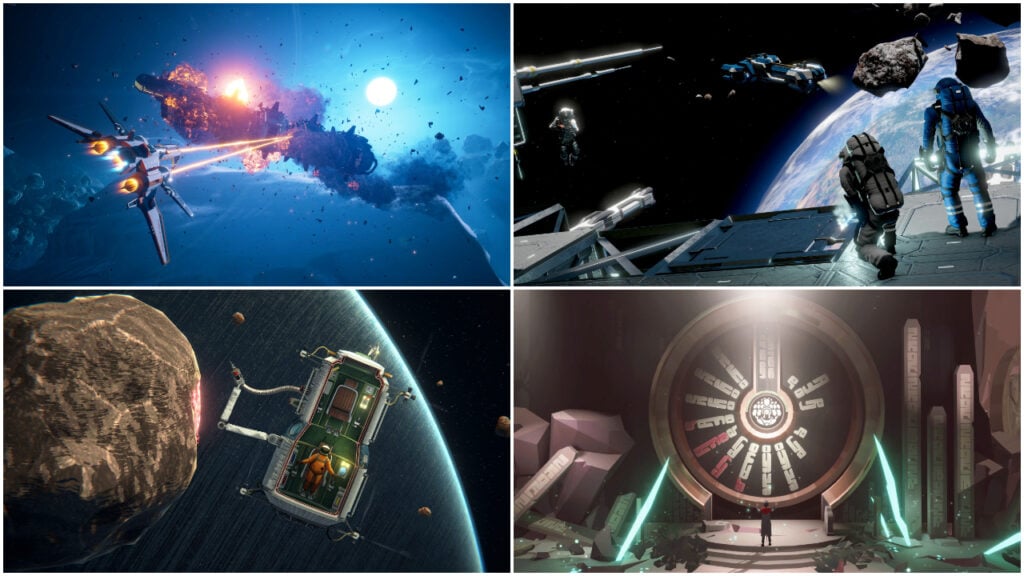
The idea of flying a spaceship to another planet is exciting enough on its own, but a good space game also gives kids something to do once they get there. For instance, they might investigate ancient ruins and follow a clue to another world or establish a base that supports longer expeditions. Before long, a destination that once seemed impossibly far away can become their new home away from home.
Of course, there’s more than one way to explore space. Some of the games below let players design the rocket themselves, with all the trial and error that comes with getting it off the ground. Other games focus on the work astronauts do after a launch, from maintaining equipment to helping a colony grow. We’ve included scientific sandboxes, too, for children who want to experiment with planets and stars or choose their own route through a virtual universe.
The best space video games for kids and teens range from Mario’s planet-hopping platforming to simulations that take patience and practice to learn. A low age rating doesn’t necessarily indicate an easy game, so we’ve explained where younger children may need help and which games are better suited to teens. Alongside the exploration and engineering, some games include combat or more serious stories. We listed all the ratings and everything else parents need to know about these games under each entry.
Super Mario Galaxy + Super Mario Galaxy 2 Sends Mario Planet Hopping
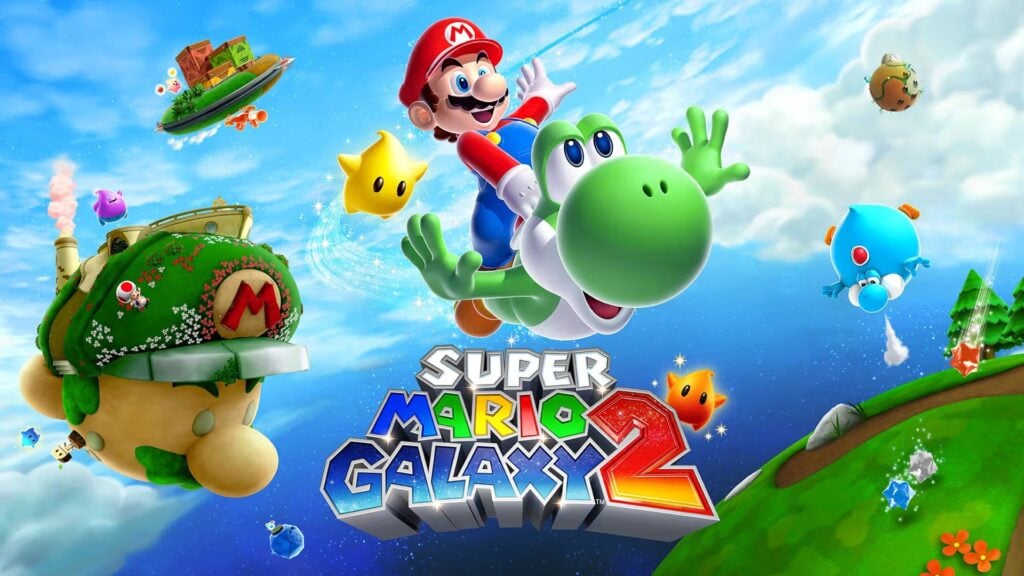
Super Mario Galaxy + Super Mario Galaxy 2 takes Mario’s search for Princess Peach into space, where players jump between tiny planets and collect Power Stars to reach new galaxies. Gravity follows the shape of these worlds, so Mario can run around a planet and end up underneath the place he started. Once children get used to the wacky mechanics, they can try power-ups that change how they explore. The sequel is pretty similar to the original, but features Yoshia, new power-ups and dynamic environments.
The Switch collection comes with an Assist Mode, which adds health, allows Mario to heal while standing still, and returns him to solid ground after a fall into space. These options help younger players practice the jumps without losing lives as often. For more help, a second player can collect Star Bits and stun enemies in Co-Star Mode while the first player controls Mario.
Why Kids Will Love Super Mario Galaxy + Super Mario Galaxy 2
Children can chase a Power Star across the underside of a planet, then launch toward the next one. Yoshi’s transformations add more surprises, including the chance to carry Mario into the air after eating a Blimp Fruit.
- Price: $69.99 for the collection; $39.99 per game when purchased separately
- ESRB Rating: E for Everyone
- Platforms: Nintendo Switch; playable on Nintendo Switch 2 with a free enhancement update
- Players: 1 locally, with an optional second player in a supporting role
- Content Descriptors: Mild Fantasy Violence
Astroneer Lets Kids Set Up Their Own Space Program

Astroneer gives players a small base on an alien planet and the tools to turn the surrounding landscape into a new home. To that end, children can dig through hills, gather materials and connect machines that process those materials into equipment. As their base grows, players can make rovers for longer trips and eventually even construct a shuttle to visit another planet. Each new destination has different resources, so preparing for a launch becomes an excuse to improve the base back home.
Before heading out, players need to think about oxygen. A line of tethers connects their astronaut to a supply, allowing them to explore caves without rushing straight back to the surface. There are hazards, including dangerous plants and falls, so younger children may prefer Custom Games settings that remove the oxygen requirement or adjust other survival rules. Up to four players can work on the same world online.
Why Kids Will Love Astroneer
A shuttle launch gives children a clear reward for all the equipment they’ve assembled. Players can land somewhere new with the knowledge and tools to start another base, then decide how to improve on their first attempt.
- Price: $29.99 for the base game; optional expansions and cosmetics sold separately
- ESRB Rating: E for Everyone
- Platforms: Windows, PlayStation 4, PlayStation 5, Xbox One, Nintendo Switch; playable on Xbox Series X|S and Nintendo Switch 2 through backward compatibility
- Players: 1 locally; up to 4 online
- Content Descriptors: Mild Fantasy Violence; interactive elements include Users Interact and In-Game Purchases
LEGO Star Wars: The Skywalker Saga Opens Up a Galaxy Of Movie Locations

LEGO Star Wars: The Skywalker Saga retells all nine main films, with children choosing a trilogy before joining its heroes for lightsaber battles, puzzles and plenty of LEGO silliness. Progressing the story unlocks new planets to explore, so the trip doesn’t have to end when a familiar movie scene does. Between missions, players can return to places like Tatooine and Coruscant to complete side quests and hunt for collectibles. Different characters have abilities that help with these activities, encouraging kids to try someone other than their favorite Jedi.
Of course, visiting all those planets calls for a spaceship and there are quite a few to choose from. Players can pilot ships from the films, fight enemy fighters and take on enormous capital ships that can be boarded afterward. Two people can play together in local split-screen, making this a good choice for a parent and child who want to work through the saga together. There’s no built-in online co-op.
Why Kids Will Love LEGO Star Wars: The Skywalker Saga
Children can unlock a favorite ship and take it out for a flight between story missions. Back on a planet, switching from a Jedi to a droid or bounty hunter lets them tackle challenges with a different set of abilities.
- Price: $59.99 for the standard console edition; additional character packs sold separately
- ESRB Rating: E10+ for Everyone 10+
- Platforms: Windows, PlayStation 4, PlayStation 5, Xbox One, Xbox Series X|S, Nintendo Switch; playable on Nintendo Switch 2 through backward compatibility
- Players: 1–2 locally in split-screen
- Content Descriptors: Cartoon Violence, Comic Mischief; interactive elements include In-Game Purchases
Universe Sandbox Puts The Solar System In Kids’ Hands
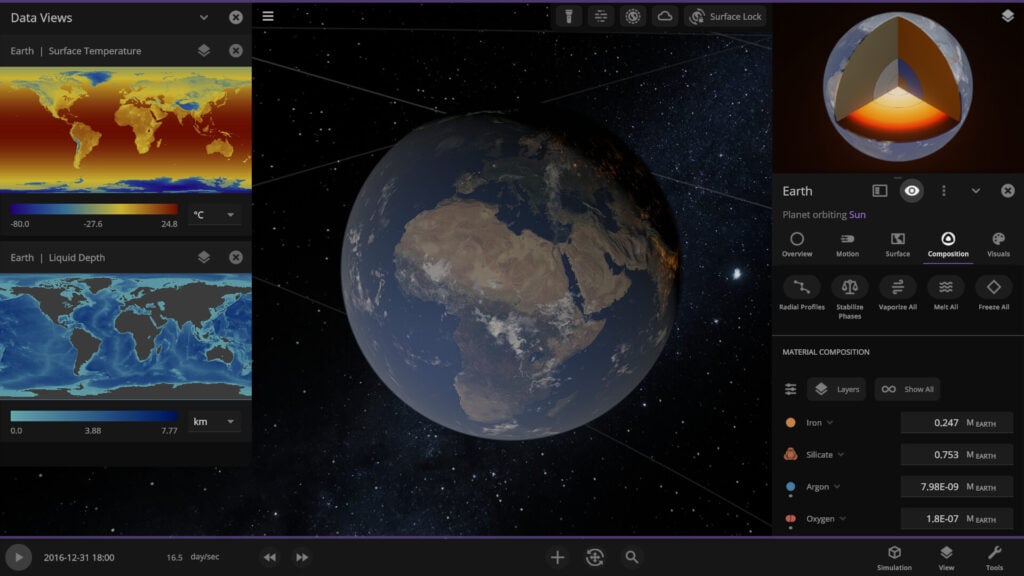
Universe Sandbox lets children experiment with planets and stars on a scale that would be rather inconvenient in a real science classroom. Players can load a simulation of the Solar System, change a planet’s orbit, or add an object just to see how gravity affects everything around it. For example, sending a large body toward Earth produces a collision whose effects they can watch unfold. Afterward, they can reload the simulation and try a different experiment without having to apologize to anyone on Earth.
Collisions are fun, but there’s a lot more to play around with in Universe Sandbox. Children can move a planet closer to its star and watch temperatures rise, or create their own planetary system and adjust its orbits. The menus and scientific terms make this a stronger recommendation for older kids and teens with an interest in astronomy. Younger children may find it a bit dull since there’s no action-packed gameplay to look forward to.
Why Kids Will Love Universe Sandbox
Players can test a question about space and watch the consequences play out. They can then change one setting and run the simulation again, comparing the results with what they expected to happen.
- Price: $29.99; currently in Early Access
- ESRB Rating: No ESRB rating listed
- Platforms: Windows, macOS; Linux and SteamOS via Proton
- Players: Single-player
- Content Descriptors: No ESRB descriptors listed
Lovers in a Dangerous Spacetime Gives The Family One Ship To Run

In Lovers in a Dangerous Spacetime, up to four players share a spaceship while searching the galaxy for kidnapped space bunnies. Everyone controls a character inside the ship, with separate stations for steering, shields and weapons. Since those stations are scattered around the interior, a player who spots an enemy approaching from behind may need to leave the controls they’re using and run to another turret. Meanwhile, someone else has to keep the ship from drifting into danger.
That scramble gets more manageable once families start calling out what they’re doing. A parent can steer while a child handles the shield, then swap jobs when they want to try something different. Along the way, space gems let players upgrade equipment and experiment with combinations. The cooperation is local, so everyone needs to be in the same room. Solo players get an AI pet to help operate the ship.
Why Kids Will Love Lovers in a Dangerous Spacetime
Children can protect the whole crew by putting the shield in the right place before an attack lands. Rescuing a group of bunnies gives everyone something to celebrate after a frantic encounter.
- Price: $14.99
- ESRB Rating: E10+ for Everyone 10+
- Platforms: Windows, macOS, Linux, PlayStation 4, Xbox One, Nintendo Switch; playable on PlayStation 5, Xbox Series X|S, and Nintendo Switch 2 through backward compatibility
- Players: 1–4 locally; an AI companion assists solo players
- Content Descriptors: Fantasy Violence
Heavenly Bodies Makes Everyday Tasks Tricky In Zero Gravity
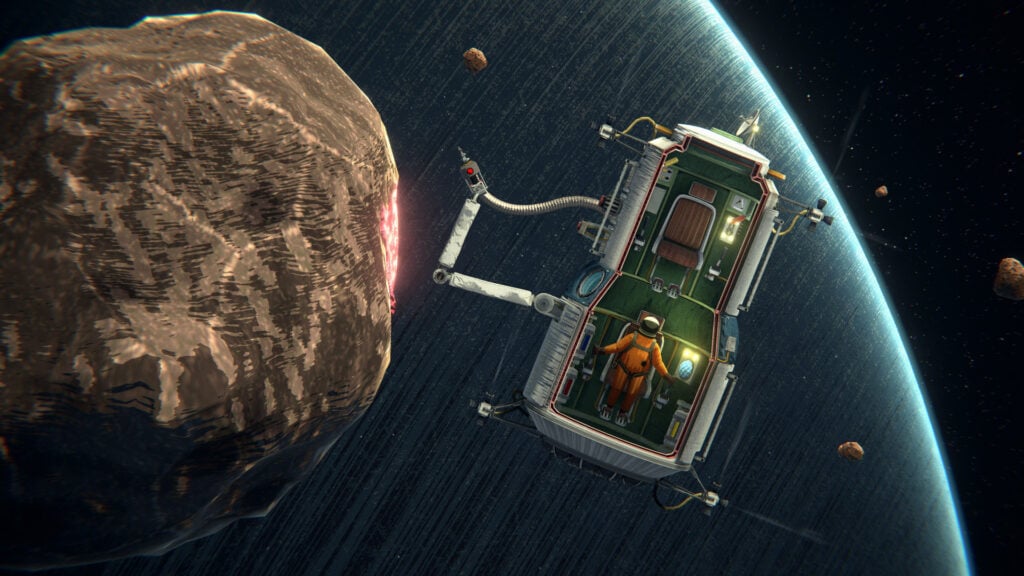
Heavenly Bodies puts players aboard a research station, where they help assemble telescopes, maintain solar panels and carry out other astronaut duties. As one might imagine, completing these tasks can get a little tricky in zero-G. Without gravity, players have to grab objects and brace themselves against the surroundings to get anything done. On a controller, each thumbstick controls one of the astronaut’s arms, so even pulling a lever takes some coordination.
For players who enjoy this sort of physics game, the awkwardness can produce some very funny mishaps. Multiple players can work together to complete tasks, however, an extra pair of hands won’t help much if its owner accidentally drags everyone away from the equipment. Older children who enjoy experimenting with controls will get the most out of this one. If the standard controls become frustrating, Assist mode makes getting around easier, while Toggle Grab reduces the need to hold buttons down.
Why Kids Will Love Heavenly Bodies
Children get to try the hands-on work that keeps a space station running. A job as simple as plugging in a cable can become a group achievement after everyone has spent several minutes floating past the socket.
- Price: $19.99 for the base game on PlayStation; optional Cleanup DLC sold separately
- ESRB Rating: E for Everyone
- Platforms: Windows, macOS, PlayStation 4, PlayStation 5, Xbox One, Xbox Series X|S, Nintendo Switch; playable on Nintendo Switch 2 through backward compatibility
- Players: 1–4 locally on Windows, macOS, PlayStation, and Xbox; 1–2 locally on Nintendo Switch
- Content Descriptors: None
No Man’s Sky Lets Teens Choose Their Own Destination
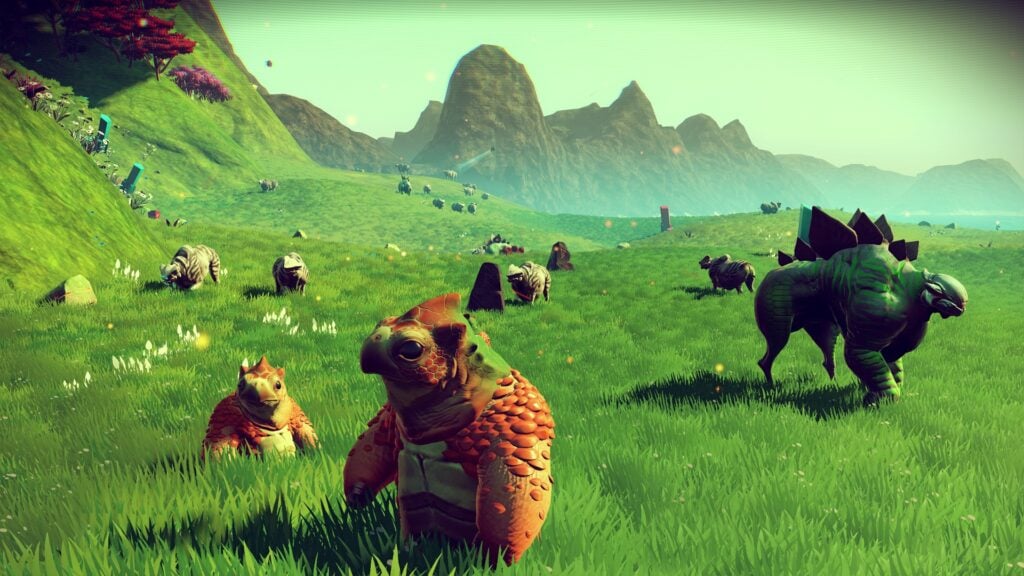
No Man’s Sky gives players a spacecraft and an enormous universe of planets to investigate, each offering different terrain, creatures and resources. Players can scan the local wildlife, gather materials for better equipment, or settle down long enough to construct a base. Upgrades support longer expeditions, eventually taking explorers into new star systems. For kids who enjoy imagining life on another world, choosing a planet and deciding where to put their first home can be just as interesting as the trip there.
Players can use Creative Mode to remove resource costs and survival pressures, or choose Relaxed Mode for less demanding survival and combat. These options make room for sightseeing without so much equipment maintenance, though the menus and crafting systems still take time to learn. No Man’s Sky is best suited to teens due to its space battles, armed encounters, and unsettling creatures found aboard some of the abandoned ships.
Why Teens Will Love No Man’s Sky
Teens can find a planet they like and develop a home there, then head out in search of somewhere completely different. Their base remains a place to return to between expeditions across the galaxy.
- Price: $59.99 on PC and consoles; free trial on iPhone and iPad, with a $19.99 full-game unlock
- ESRB Rating: T for Teen
- Platforms: Windows, macOS, PlayStation 4, PlayStation 5, Xbox One, Xbox Series X|S, Nintendo Switch, Nintendo Switch 2, iOS, iPadOS; compatible hardware required for Apple versions
- Players: 1 locally; online groups of up to 4 on supported platforms; original Nintendo Switch and iPhone/iPad versions are single-player only
- Content Descriptors: Animated Blood, Fantasy Violence; interactive elements include Users Interact on multiplayer-supported versions
Kerbal Space Program Gives Aspiring Rocket Engineers Plenty To Work Out
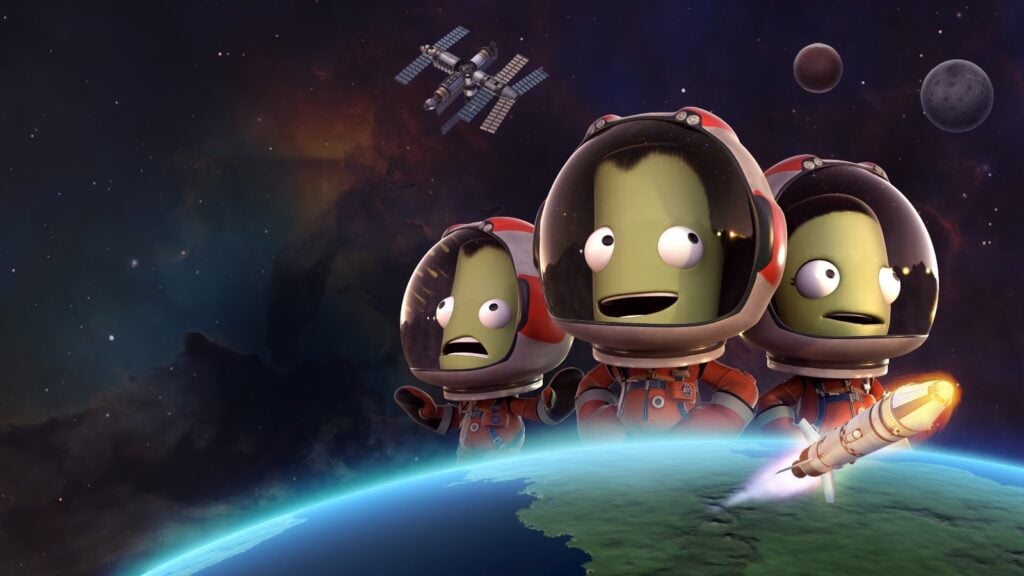
Kerbal Space Program puts players in charge of getting little green astronauts off their home planet and safely to other worlds. Before any of them can plant a flag on a moon, however, someone has to design a rocket capable of reaching it. To that end, players are tasked with assembling engines, fuel tanks, capsules, and other components, then test their creation at the launchpad. An unstable rocket or an empty fuel tank shows what needs changing before the next attempt.
Once a rocket can reach space, players have to learn how to stay there. Orbiting a planet takes sideways speed as well as altitude, and reaching a moon calls for more planning still. Sandbox mode provides access to parts without the research and budget restrictions of Career mode, but the physics still need to be taken into account even there. Patient teens are the core target audience, while younger space enthusiasts will likely want an adult’s help with tutorials and flight planning.
Why Teens Will Love Kerbal Space Program
A successful landing can be the result of several redesigned rockets and carefully timed maneuvers. Players can look back at those attempts and understand why their latest spacecraft succeeded where the others failed.
- Price: $39.99 for the base game or console Enhanced Edition; expansions sold separately
- ESRB Rating: E for Everyone
- Platforms: Windows, macOS, Linux; Enhanced Edition on PlayStation 4, PlayStation 5, Xbox One, and Xbox Series X|S
- Players: Single-player
- Content Descriptors: None
Spaceflight Simulator Takes Rocket Design Into a Side-On View
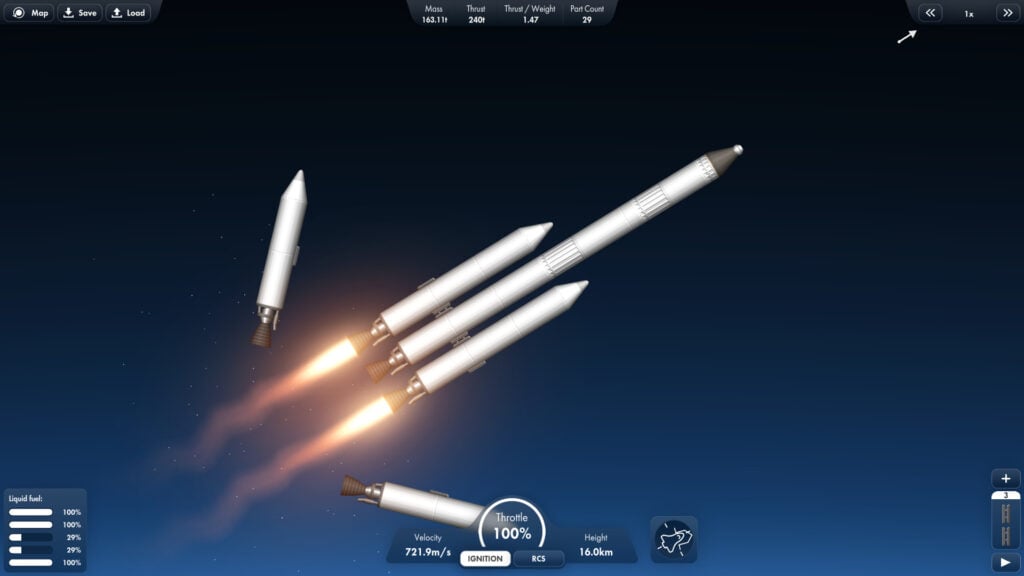
Spaceflight Simulator lets players assemble rockets from individual parts, then launch them from Earth toward the Moon and other destinations. The side-on view makes it easy to see how the fuel tanks, engines and landing equipment fit together. As fuel runs out, players can separate spent stages and continue with the lighter spacecraft above them. The process encourages children to think about which parts they’ll need for each portion of the flight, including the landing.
Despite the simple presentation, the game does a good job of teaching kids about the complexities of spaceflight. Players need to manage their trajectory and speed, so pointing a rocket upward won’t be enough to keep it in orbit. On mobile, children can try the basics for free before buying parts and expansion content. The paid Steam version includes the expansion packs and is currently in Early Access.
Why Kids Will Love Spaceflight Simulator
Children can design a rocket for a specific goal, such as delivering a lander to the Moon. Once they’ve reached it, they can attempt a return trip or prepare a different vehicle for another destination.
- Price: Free on iOS and Android, with optional in-app purchases; $14.99 on Steam, including expansion packs
- ESRB Rating: E for Everyone on the US Google Play store; no ESRB rating listed for the Steam version
- Platforms: Windows, macOS, iOS, Android
- Players: Single-player
- Content Descriptors: None listed; mobile versions include in-app purchases
Mars Horizon Puts Kids In Charge Of Mission Control
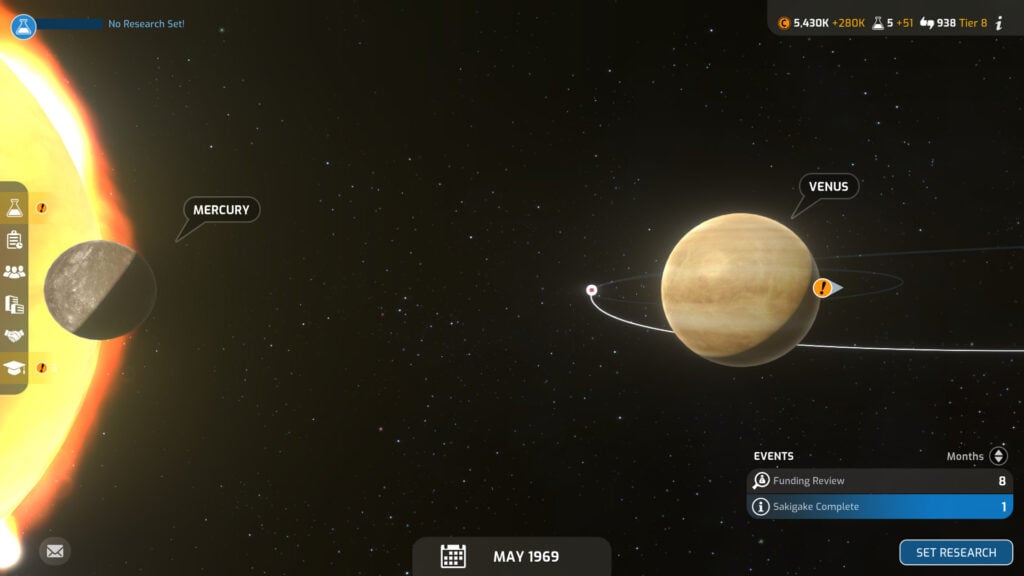
In Mars Horizon, players run a space agency from its early launches through increasingly ambitious missions, with a crewed trip to Mars as the eventual goal. To get there, children have to develop a base, research technology and choose hardware for their rockets. Each successful mission brings scientific progress and public support, helping the agency prepare for its next project. Other agencies are pursuing their own goals, so players can compete for milestones or arrange partnerships to share the benefits.
During missions, the focus shifts to turn-based decisions about the spacecraft’s resources. Players might spend power to repair damaged equipment, knowing they’ll need enough left for later objectives. Since these decisions don’t demand quick reactions, players can carefully consider their options before committing to an action. The reading and management make Mars Horizon a good choice for older kids and teens interested in how space missions are organized.
Why Kids Will Love Mars Horizon
Children can choose a space agency and try to lead it to a historic first. As they reach new milestones, they can compare their progress with the real Space Race.
- Price: $19.99 on Windows through the Epic Games Store
- ESRB Rating: E for Everyone
- Platforms: Windows, macOS, PlayStation 4, Xbox One, Nintendo Switch; playable on PlayStation 5, Xbox Series X|S, and Nintendo Switch 2 through backward compatibility
- Players: Single-player
- Content Descriptors: None
Mars First Logistics Gives Young Engineers a Delivery Job
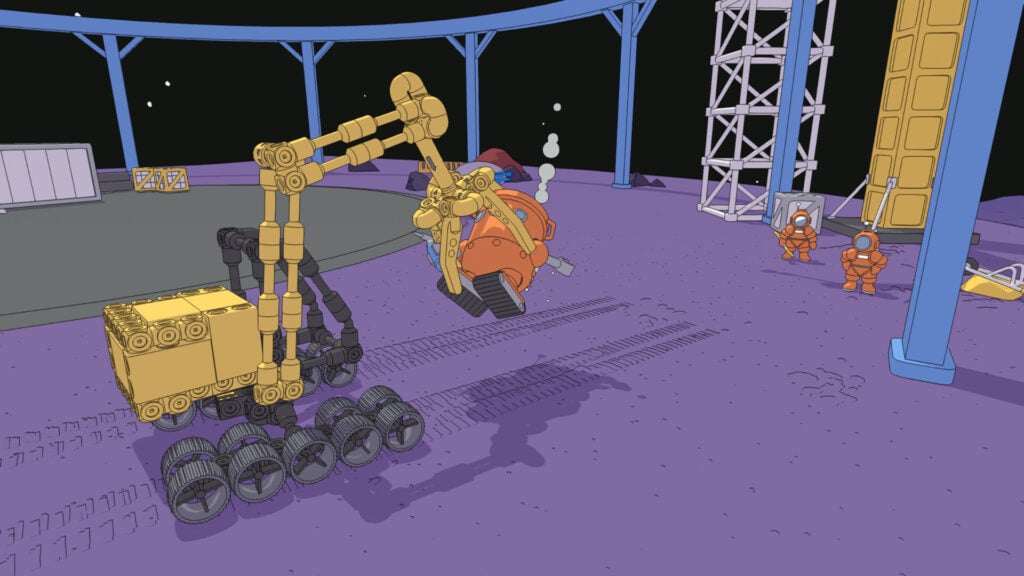
Mars First Logistics gives players the chance to design rovers to transport cargo across the Martian landscape. Each delivery calls for a vehicle that can carry its load over rough ground, so a design that handled the last job might need adjustments for the next one. Children can combine wheels, springs and powered joints to create unique machines. However, the designs still need to make sense. A long lifting arm might reach the cargo perfectly, for example, only to tip the entire rover over when they try to pick it up.
Once a delivery succeeds, players earn funds and unlock parts for more ambitious machines. Their work helps settlements grow, with roads and other infrastructure gradually changing the places they drive through. Older children who enjoy rebuilding and testing will probably get the most out of Mars First Logistics, but the game is suitable for kids of all ages. Up to four players can cooperate online, giving friends a chance to tackle deliveries together.
Why Kids Will Love Mars First Logistics
Even a ridiculous-looking rover can still get the job done. Usually. When it doesn’t, the way it tips, bounces, or drops its cargo helps children decide what to change next.
- Price: $19.99
- ESRB Rating: No ESRB rating listed
- Platforms: Windows
- Players: 1 locally; up to 4 online
- Content Descriptors: No ESRB descriptors listed
The Planet Crafter Lets Kids Bring a Barren World To Life

The Planet Crafter sends players to an inhospitable world with the equipment to begin making it habitable. At first, players must gather minerals and construct machines that produce heat, oxygen and atmospheric pressure. As their equipment improves conditions, the changes become visible across the landscape. A blue sky and the arrival of rain mark early successes, with lakes and vegetation following as terraforming progresses. If everything goes well, the base players started for their own survival will eventually support life across the entire planet.
Before the planet can be terraformed, players have to watch their oxygen, food, and water supplies. Exploring a distant wreck can provide materials for better equipment, but children need to prepare for the return trip as well. There are no enemies to fight, so the main challenge comes from managing expeditions and expanding the base. Creative Mode and adjustable difficulty offer alternatives for players who prefer to concentrate on construction and terraforming.
Why Kids Will Love The Planet Crafter
An area children remember as empty desert can have water or greenery when they return. Those changes show how their work is affecting much more than the buildings they’ve placed.
- Price: $23.99 for the base game; optional expansions sold separately
- ESRB Rating: E for Everyone
- Platforms: Windows, PlayStation 5, Xbox Series X|S
- Players: 1 locally; online co-op designed for up to 10 on PC and up to 8 on consoles
- Content Descriptors: None; interactive elements include Users Interact
Outer Wilds Makes Every Planet Feel Mysterious
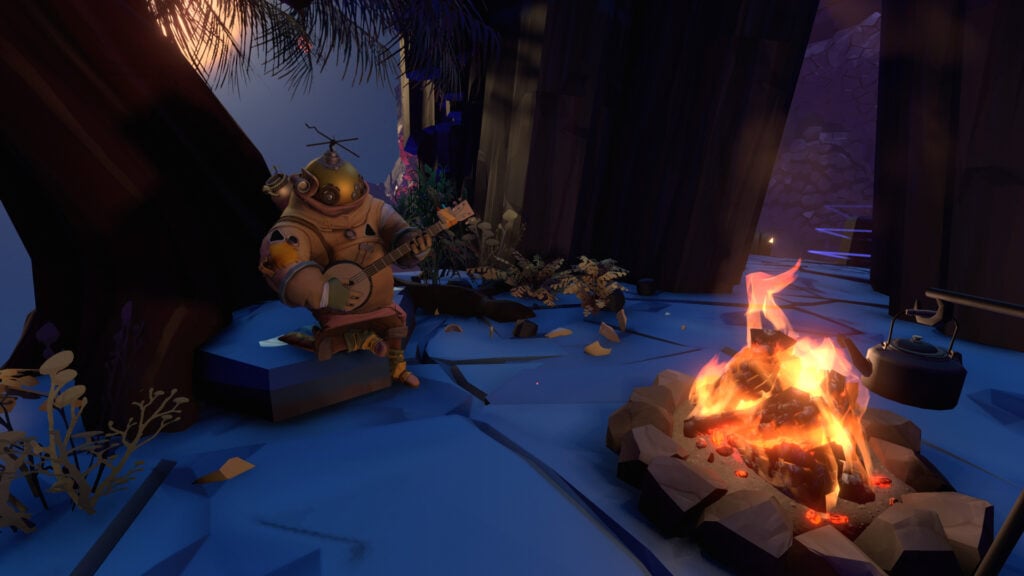
Outer Wilds follows a new astronaut investigating a solar system caught in a time loop. Players can choose where to fly, land their small spacecraft and search for clues left by an ancient civilization. Those clues often point toward another location, so a trip to one planet can change what children want to investigate on the next. Meanwhile, the planets themselves change as time passes, making the timing of a visit as important as the destination.
Progress comes from understanding what players have found, with the ship’s log helping them keep track of connections and unanswered questions. Multiple players can compare theories between flights, though only one person controls the astronaut. This is a strong recommendation for teens and older children who enjoy reading and working things out independently. Spaceflight takes practice, and the time loop includes repeated deaths and frightening locations.
Why Teens Will Love Outer Wilds
A clue can make places teens have already visited seem worth investigating again. Players get to decide which lead to follow, then test their theory by taking the ship out for another flight.
- Price: $24.99 for the base game; Echoes of the Eye expansion sold separately
- ESRB Rating: E10+ for Everyone 10+
- Platforms: Windows, PlayStation 4, PlayStation 5, Xbox One, Xbox Series X|S, Nintendo Switch; playable on Nintendo Switch 2 through backward compatibility
- Players: Single-player
- Content Descriptors: Fantasy Violence, Alcohol Reference
Space Engineers Lets Teens Design The Ship They’ll Pilot
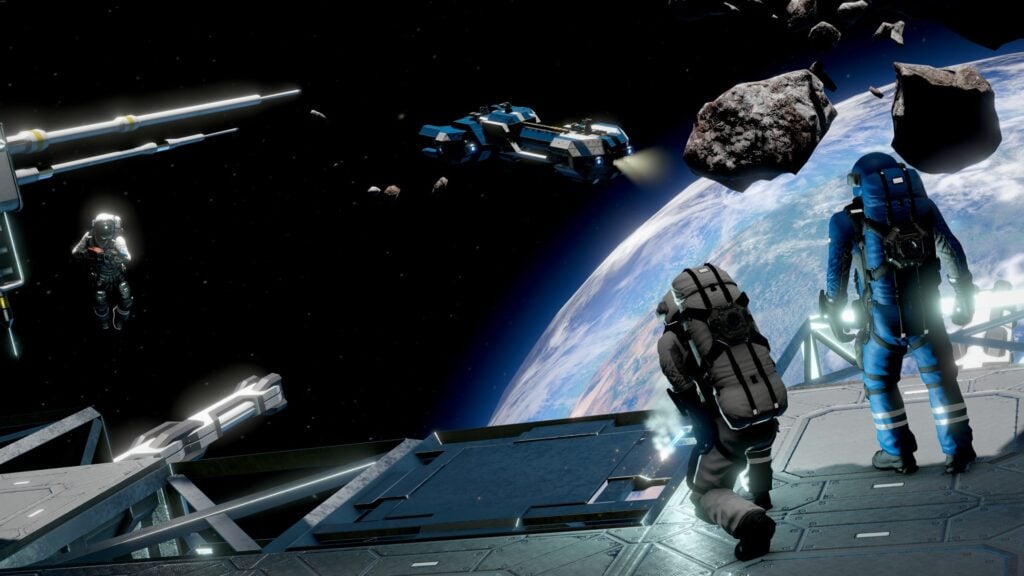
Space Engineers gives players modular parts for constructing spacecraft, stations and vehicles they can freely operate. Every ship is a complex piece of machinery that requires players to supply power, arrange thrusters and make sure it can maneuver. Once the design works, players can pilot it out to gather materials or begin a different construction project. That link between building and exploration allows kids to put their engineering ideas to the test every time they build a new vehicle.
Creative Mode provides unlimited resources and instant construction, making it a sensible starting point for teens learning how the components fit together. In Survival Mode, those same projects require resources and equipment, with oxygen and fuel adding more preparation before a trip. Even in Creative Mode, a working ship takes patience to put together. Teens can start with a small craft and learn what each component does before attempting a larger station.
Why Teens Will Love Space Engineers
Teens can save a working ship design and keep improving it for different jobs. A mining vessel, cargo hauler and planetary rover each give them different reasons to rethink the equipment and layout.
- Price: $19.99 for the base game on Xbox and PlayStation; optional DLC packs sold separately
- ESRB Rating: T for Teen on Xbox
- Platforms: Windows, PlayStation 4, PlayStation 5, Xbox One, Xbox Series X|S
- Players: 1 locally; online multiplayer, with capacity varying by hardware, hosting method and server settings
- Content Descriptors: Xbox lists Drug Reference, Fantasy Violence and Mild Language; PlayStation lists Fantasy Violence; online play includes Users Interact
Starbound Gives Space Explorers a Ship To Call Home

Players spend the first chunk of Starbound repairing a damaged ship and making it spaceworthy again. Once the ship is ready, players can travel to other worlds and beam down to explore their surfaces and underground areas. Each trip can supply materials for better equipment, furniture for the ship or a settlement on a favorite planet. Since the ship can be expanded and decorated, children can develop a home that travels with them between destinations.
Most of the action takes place on foot in side-scrolling environments, where players mine, build, complete quests, and fight creatures. The ship connects these places, with travel handled through navigation menus. Casual mode removes the need to eat, making it a good starting point for players who are primarily interested in exploring and building. Combat and boss encounters remain, however, so parents should still expect a game with weapons, dangerous enemies, and some challenging fights.
Why Kids Will Love Starbound
Children can bring souvenirs from different planets back to their ship. Over time, its rooms can reflect the places they’ve explored and provide space for recruited crew members to live.
- Price: $14.99
- ESRB Rating: E10+ for Everyone 10+ on Xbox
- Platforms: Windows, macOS, Linux, Xbox One, Xbox Series X|S
- Players: 1 locally; online multiplayer with server-dependent limits on computers; up to 4 on Xbox, or 2 when hosted on Xbox One S
- Content Descriptors: Alcohol Reference, Crude Humor, Fantasy Violence, Mild Blood; interactive elements include Users Interact
FTL: Faster Than Light Puts Teens In The Captain’s Chair
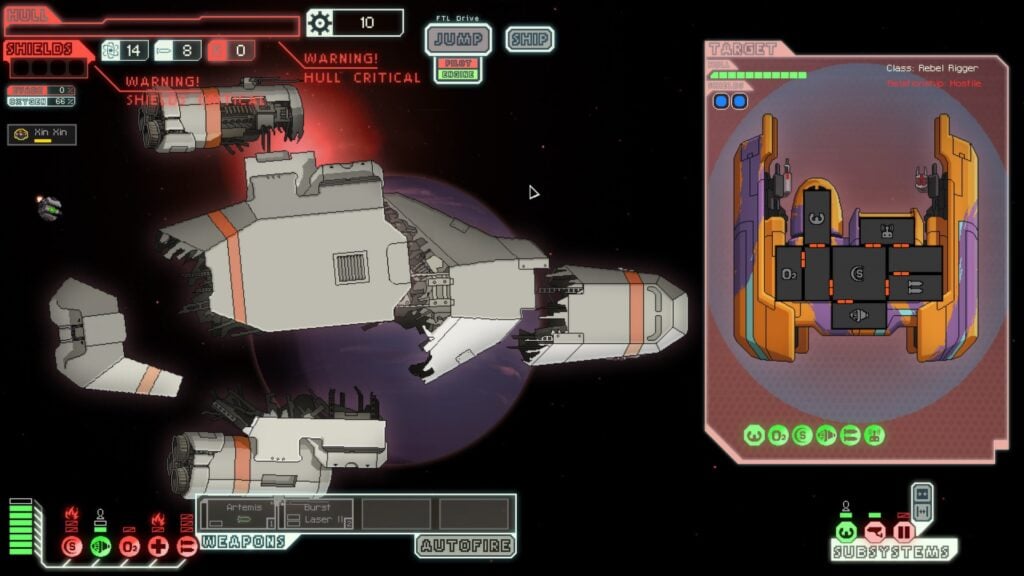
FTL: Faster Than Light puts players in command of a spaceship carrying vital information while a rebel fleet pursues them. Each jump typically leads to some sort of encounter, with opportunities to collect supplies, recruit crew or get into a fight. During battles, players assign crew members to stations and decide which systems should receive power. Hits from enemy vessels can damage those systems, forcing a crew member to leave their post and make repairs while the remaining crew keeps the ship functioning.
Things can get pretty hectic at times in FTL, but fortunately, players can pause to assess the damage and issue orders before continuing. Being able to get a little breathing room like that is helpful, but it won’t make every situation survivable. Crew members can easily die if players aren’t careful and a destroyed ship instantly ends the run. FTL remains challenging even on Easy difficulty, making it one of the better recommendations for players who enjoy strategy games and who can accept losing an expedition after investing time in their crew and upgrades.
Why Teens Will Love FTL: Faster Than Light
A damaged ship can still survive if its captain makes the right calls. Players can try different weapons and crew arrangements across runs, gradually learning which combinations give them more options when things go wrong.
- Price: $9.99 on computers and iPad
- ESRB Rating: E10+ for Everyone 10+
- Platforms: Windows, macOS, Linux, iPadOS
- Players: Single-player
- Content Descriptors: Fantasy Violence, Language
OPUS: Echo of Starsong – Full Bloom Edition Follows a Search Through Singing Asteroids
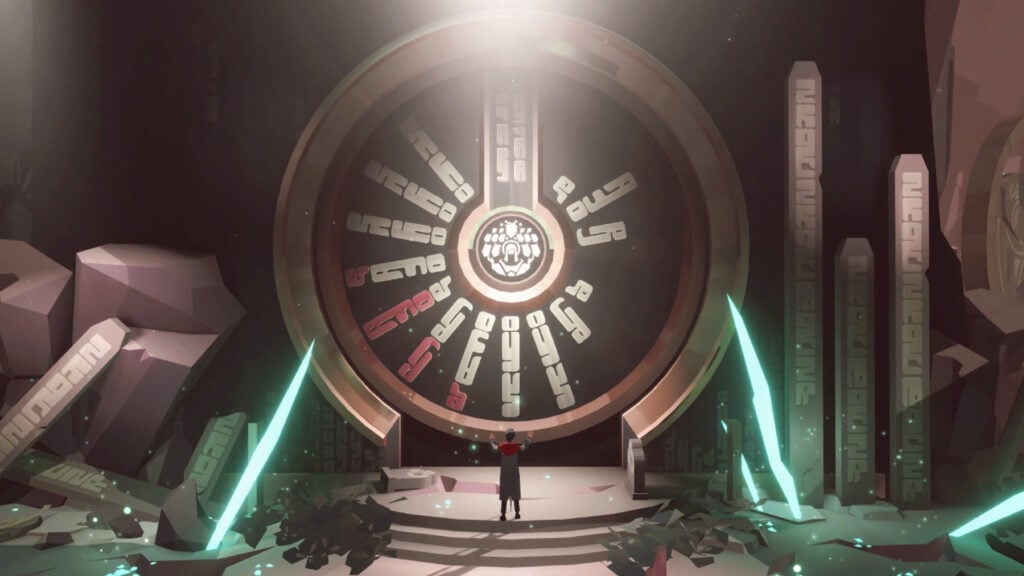
OPUS: Echo of Starsong – Full Bloom Edition follows Jun, an exiled young man searching for asteroids that contain a valuable resource. His companion Eda can hear and reproduce the mysterious starsongs associated with them, helping the pair locate ruins hidden inside the asteroids. Players must travel between destinations aboard their ship, gather information and explore those ruins on foot. Once inside, players can solve sound-based puzzles as they search for the source of each starsong.
Along the way, conversations reveal the crew’s past and the conflicts that have shaped the places they visit. The Full Bloom Edition adds Japanese and Chinese voice acting, with English text still central to following the story. Teens who enjoy reading and getting invested in characters are the best audience here, with themes of war, love and loss accompanying the lighter exploration and resource management elements.
Why Teens Will Love OPUS: Echo of Starsong – Full Bloom Edition
Jun and Eda’s different abilities encourage them to rely on each other as their relationship develops. Teens who enjoy character-driven science fiction can follow their relationship through a journey full of ancient ruins and competing factions.
- Price: $24.99 on Steam; $8.99 on iOS
- ESRB Rating: T for Teen
- Platforms: Windows, macOS, PlayStation 5, Xbox One, Xbox Series X|S, Nintendo Switch, iOS, iPadOS, tvOS; playable on Nintendo Switch 2 through backward compatibility
- Players: Single-player
- Content Descriptors: Mild Violence, Mild Blood, Mild Language
Deliver Us The Moon Sends a Lone Astronaut To Investigate A Silent Colony
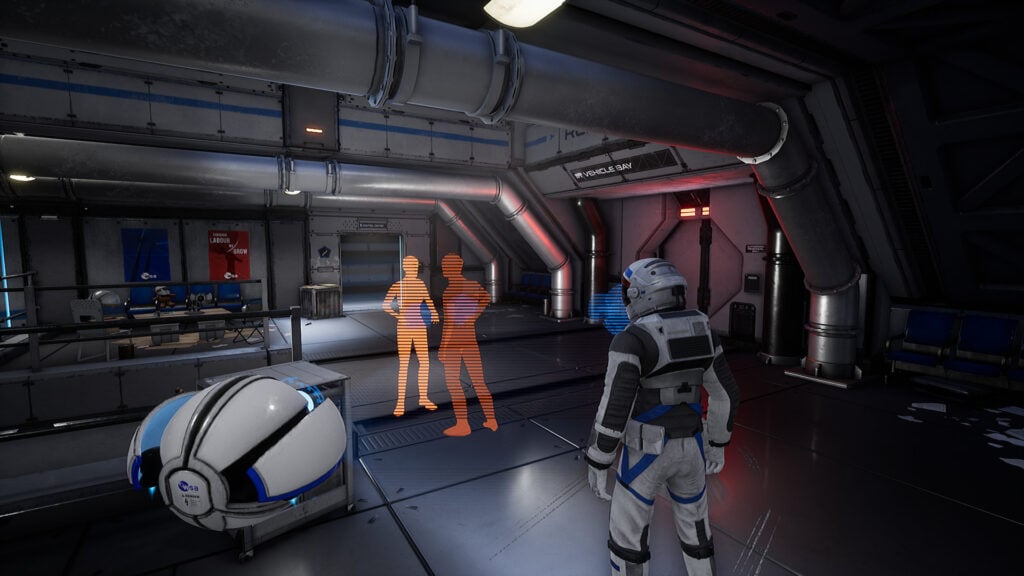
Deliver Us The Moon follows an astronaut sent to find out why a lunar colony has stopped transmitting the energy Earth desperately needs. In their quest to find answers, players travel through abandoned facilities, restore machinery and follow the evidence left by the people who worked there. The gameplay focuses heavily on environmental puzzles, with damaged equipment blocking access until players work out how to get it running. Over the course of their investigation, players gradually piece together what happened via recordings and holographic scenes.
The trip includes weightless sections and journeys across the lunar surface, giving players a chance to experience various sides of an astronaut’s day-to-day activities. Some situations are urgent, though, with limited oxygen and hazardous machinery leaving little room to wander. Deliver Us The Moon is a thriller suited to teens comfortable with suspense. The story includes deaths shown in recordings, while blood stains and body bags appear in some of the facilities.
Why Teens Will Love Deliver Us The Moon
Teens can piece together the colony’s story while restoring the systems needed to continue their mission. Each repaired machine can open an additional section of the facility, bringing them closer to understanding why contact was lost.
- Price: $24.99 on Windows through the Epic Games Store
- ESRB Rating: T for Teen
- Platforms: Windows, PlayStation 4, PlayStation 5, Xbox One, Xbox Series X|S, Nintendo Switch; playable on Nintendo Switch 2 through backward compatibility
- Players: Single-player
- Content Descriptors: Fantasy Violence, Mild Blood
EVERSPACE 2 Combines Space Battles With a Search For Better Ships
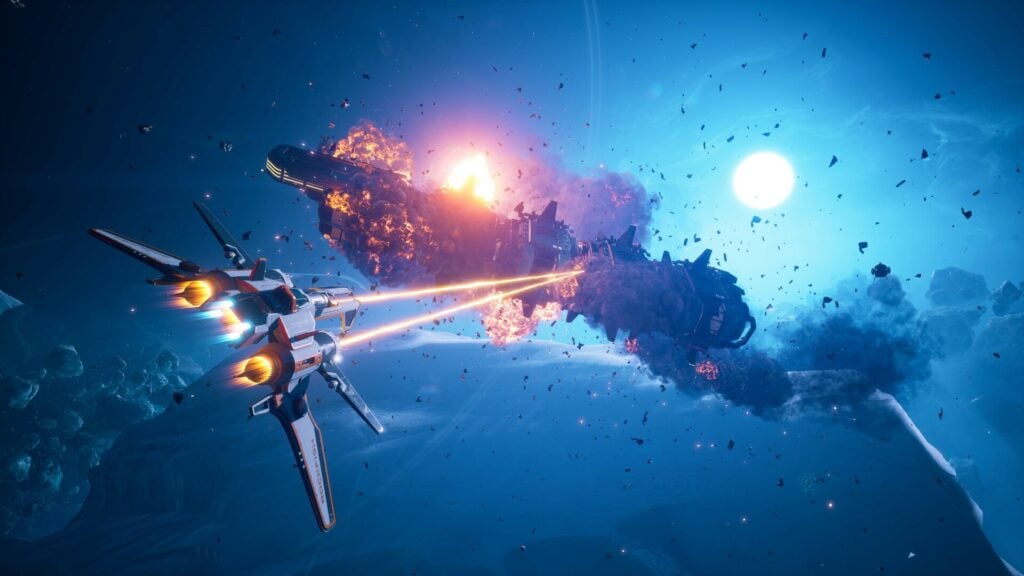
EVERSPACE 2 follows clone pilot Adam through star systems full of outlaws, wrecks and valuable equipment. Players get to fly various ships during missions, using weapons and special devices to survive encounters with hostile pilots. Defeated enemies can leave behind better gear, encouraging players to adjust their equipment before taking on a new assignment. Different ship types offer different abilities, allowing teens to try new tactics when they change vessels.
Between battles, players can investigate derelict structures, solve environmental puzzles and search for hidden supplies. These detours make exploration worthwhile even when there’s no mission directing them toward a location. Combat remains central to EVERSPACE 2, however, so it works best for teens who want an action game with plenty of spaceflight. The story also includes swearing and some suggestive scenes, hence the T for Teen rating.
Why Teens Will Love EVERSPACE 2
Teens can experiment with equipment combinations and feel the results during their next dogfight. A ship that suits their preferred tactics can make them want to seek out tougher enemies and test what it can do.
- Price: $49.99 for Galactic Edition on Nintendo Switch 2, including the expansions and Supporter Pack; other platforms offer separate base-game and DLC purchases
- ESRB Rating: T for Teen
- Platforms: Windows, macOS, PlayStation 5, Xbox Series X|S, Nintendo Switch 2
- Players: Single-player
- Content Descriptors: Violence, Language, Mild Blood, Mild Suggestive Themes
SpaceEngine Lets Young Astronomers Choose Where To Explore

SpaceEngine lets players travel from a planet’s surface to distant galaxies, stopping to examine whatever catches their attention. The game combines astronomical catalogs with procedurally generated objects, filling uncharted areas with stars and worlds to investigate. Children can search for a known planet, compare its properties with another or find a viewpoint overlooking its rings. Time controls let players speed up or reverse events, turning a stationary view into an opportunity to watch an orbit unfold.
SpaceEngine can be best described as an interactive planetarium with a spacecraft Flight Simulator mode. Players set their own goal as there’s no campaign or mission list directing the trip. Those interested in piloting can practice orbital maneuvers, landings and docking in Flight Simulator, however, it’s worth noting that the mode is currently a work in progress. Teens with an interest in astronomy will get the most out of SpaceEngine, while younger children may enjoy choosing destinations with a parent helping them learn the controls.
Why Kids Will Love SpaceEngine
Kids can follow up a question about space by traveling to the object they’re curious about. Players can save a favorite location and return later to examine it from another angle or at a different point in time.
- Price: $29.99; currently in Early Access
- ESRB Rating: No ESRB rating listed
- Platforms: Windows
- Players: Single-player
- Content Descriptors: No ESRB descriptors listed

