

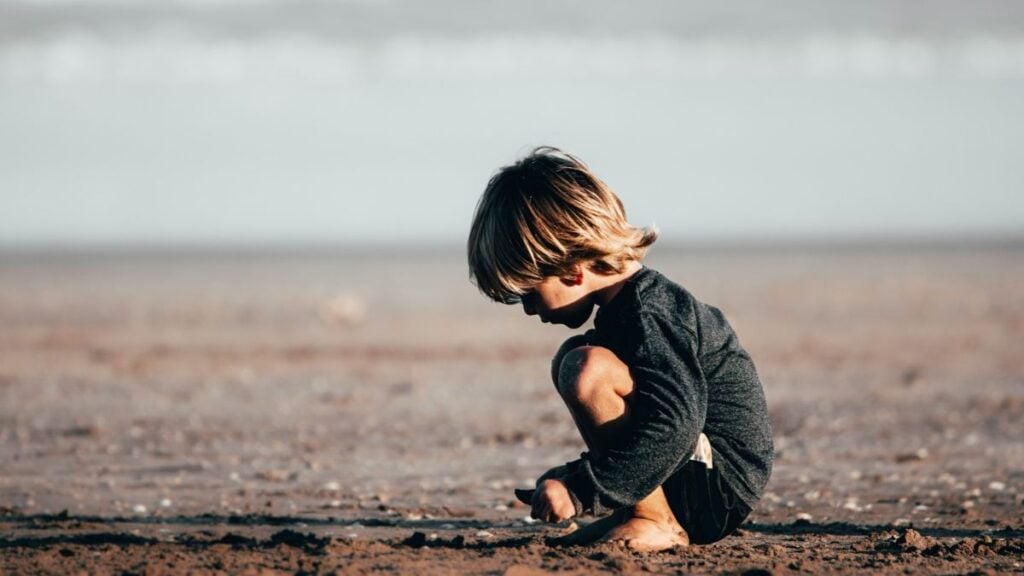
Some children chat easily at home, treasure a best friend and do well in class, yet go quiet or restless once a whole crowd gathers. Parents are increasingly using a new word for that pattern “otrovert.” The term has spread quickly on social media and in parenting circles, though experts are still debating it.
Psychiatrist Rami Kaminski introduced the term in his 2025 book, The Gift of Not Belonging. He described it as a trait that turns away from the group, setting it apart from introversion and extroversion, which both revolve around community.
What sets otroverts apart is a reluctance to conform to group norms, not where they get their social energy. Otroversion isn’t a recognized personality type and has little research behind it. Think of it as a way to understand behavior, not a label to pin on a child.
Here are six signs that may help you understand your kids’ personalities.
1. Groups Feel Confusing

Birthday parties, team sports and big playdates can leave an otrovert child puzzled, not just tired. The child isn’t withdrawing from people so much as from the group itself.
A parent might notice a child hovering at the edge of a party, or wandering off to find a quieter corner, even when no one has been unkind to them.
2. One-On-One Time Shines
The same child may get along well with each friend separately, then seem to disconnect when those friends come together.
Teachers sometimes see this on the playground, where a child who is lively with a single classmate grows quiet once a third or fourth kid joins in.
3. Depth Beats Numbers
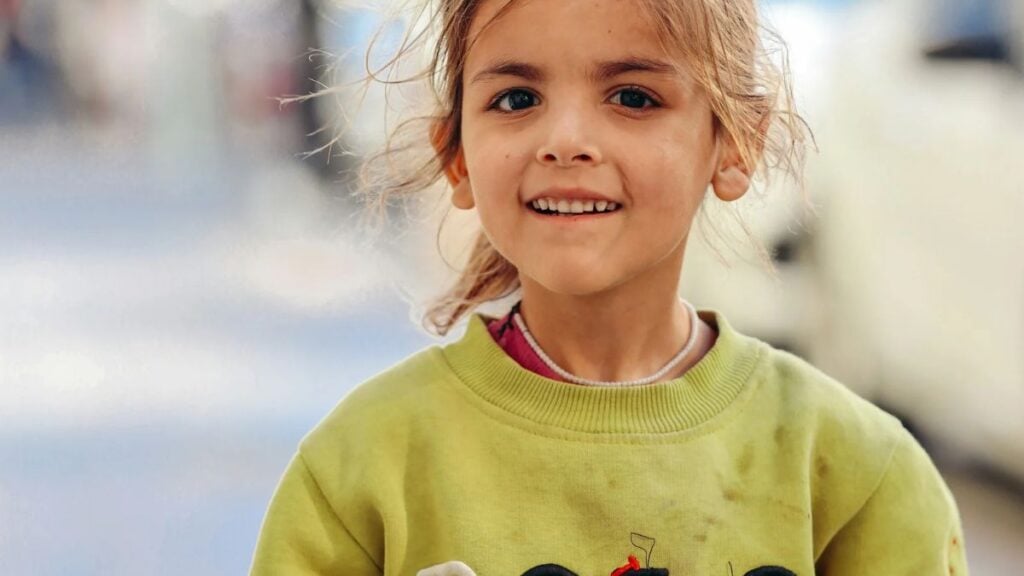
A single close friendship often matters more to an otrovert child than a wide social circle. These children may not ask for lots of playdates or worry about who is “popular.”
They tend to invest deeply in one or two friends and may be hurt more by losing that bond than by missing a big gathering.
4. Peer Pressure Doesn’t Stick
Otrovert kids tend to think for themselves. They may skip a trend that every classmate follows, whether it’s a toy, a game or a way of talking, and feel fine about it.
Parents may find this admirable, though it can also read as stubbornness when a child simply won’t go along.
5. Forced Participation Backfires
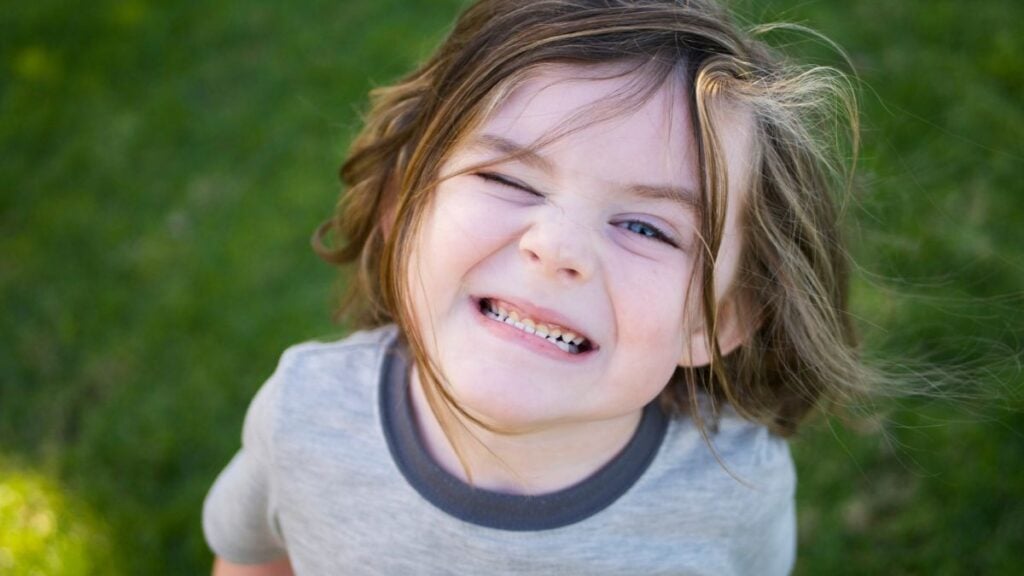
Kaminski has described otrovert children as neurotypical, friendly, curious and often popular, yet resistant to being pressured into group activities.
Pushing a child to join in on a team cheer or a class-wide game, can lead to pushback, tears or sudden silence. The same child may happily take part later if the choice is theirs.
6. They Aren’t Necessarily Shy
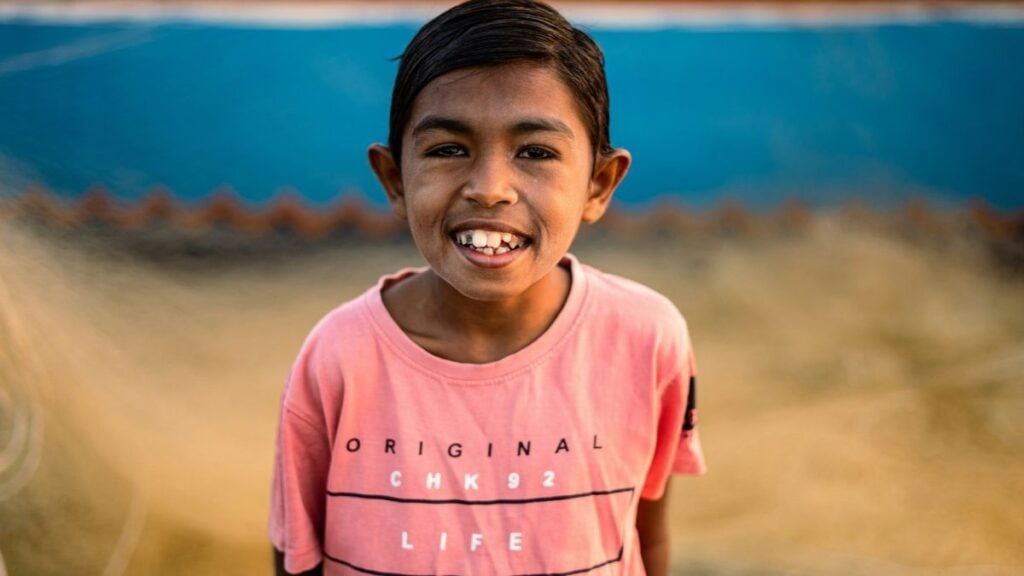
Many are sociable and well-adjusted, which is why the pattern is easy to misread. Shyness usually involves nervousness around people, while an otrovert child’s hesitation centers on the group dynamic.
A child who chats comfortably with adults and friends but dreads assemblies or group projects may fit this description.
How parents can respond
Try not to dismiss the behavior as shyness or stubbornness. Small playdates with one or two kids can help a child build friendships on their own terms. Letting them skip an occasional group event, without making it a big deal, can also ease pressure.
Parents should keep an eye on the bigger picture, too. If a child seems distressed or lonely, or is struggling at school, a pediatrician or school counselor can help rule out other causes, including anxiety.
Whether or not “otrovert” ever becomes an official category, it offers parents a useful reminder. Children connect with others in different ways, and not blending into the crowd doesn’t mean a child doesn’t belong.

