

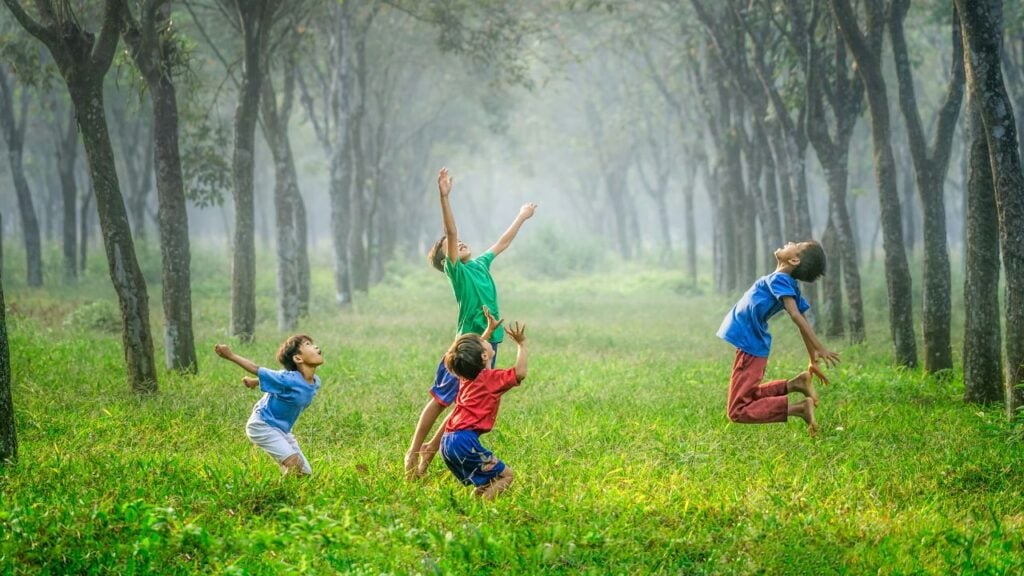
Tablets, television and packed schedules are keeping more young children indoors and many parents are quietly wondering whether they are shortchanging their kids by skipping the playground.
But child development experts say parents don’t have to choose between the two. Outdoor play builds strength, coordination and a spirit of adventure, while indoor play nurtures creativity, problem-solving and focus. Together, they give children a well-rounded start that neither can offer alone.
Why Outdoor Play Is Important For Kids
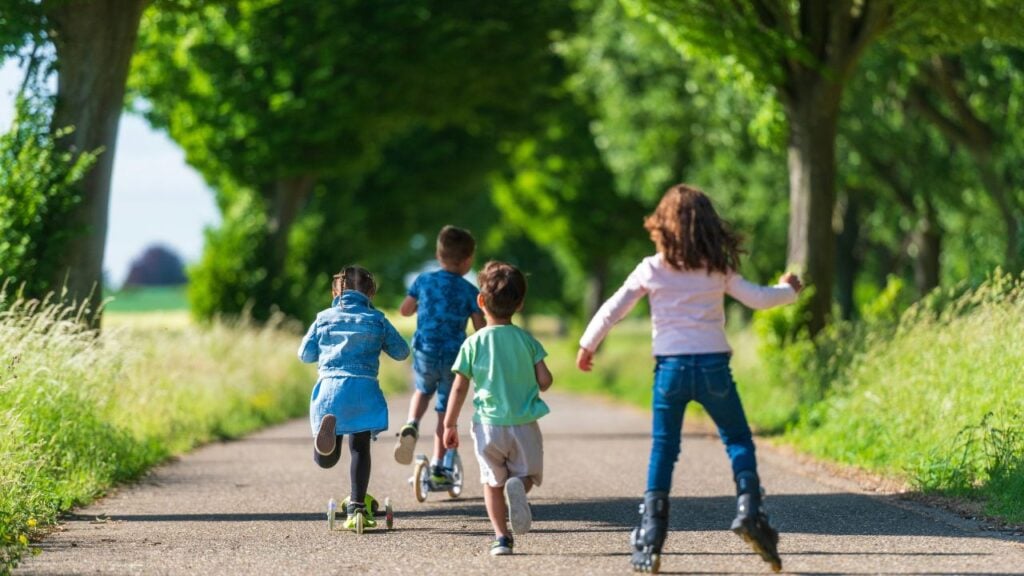
Running, jumping, climbing and cycling help preschoolers build coordination, strength and gross motor skills. Time outside also appears to ease stress and anxiety. It stimulates the senses and sparks imagination.
Unstructured outdoor play lets children take small risks. That can teach them decision-making, resilience and independence.
Know How To Replace Screen Time With Indoor Activities

Indoor play has its own strengths. Puzzles, building blocks, storytelling, drawing and pretend play sharpen fine motor skills, concentration, language and creativity, experts said.
Indoors is also a controlled setting where parents can keep a close watch. Board games, craft projects and family movie nights double as bonding time. They also give children a chance to slow down and recharge.

Most child development experts do not rank one type of play above the other. Outdoor play mainly supports physical activity, social interaction and confidence. Indoor play builds focus, imagination and communication, per a report.
Preschoolers tend to learn best when the day mixes active movement with calmer creative activities.
Many experts recommend at least one to two hours of active outdoor play each day for preschoolers. Regular time outside is linked to better sleep and emotional balance.
Tips For Parents to Build Play Habits in Kids
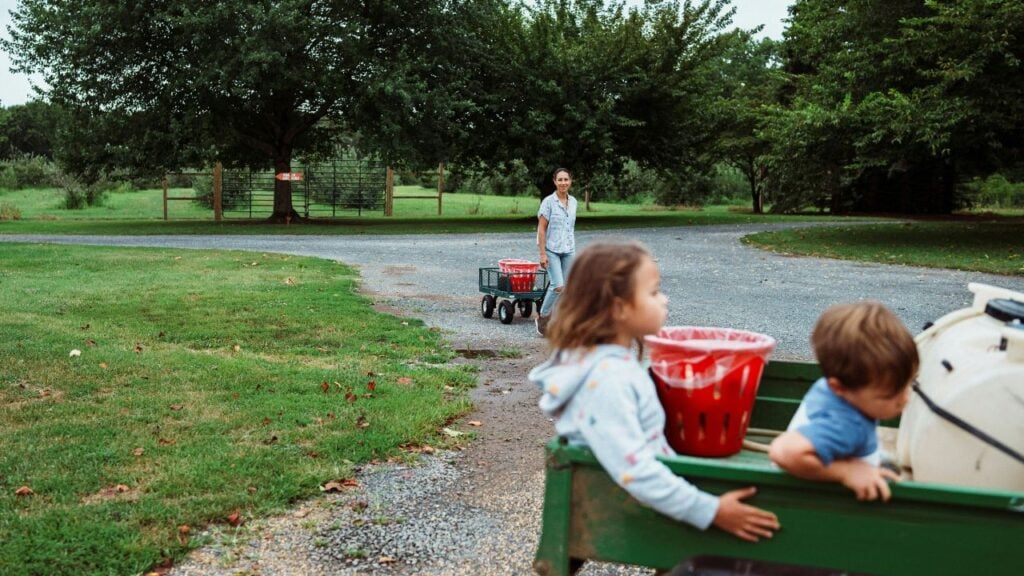
It also cuts down on screen exposure. Even simple activities count, a run around the park or a bike ride can make a difference.
Make outdoor time a daily habit, whether that means a backyard, a nearby park or a family walk. Let children lead and play without rigid rules.
Keep indoor time engaging and when possible, free of screens. Arts and crafts, blocks and cooking together build skills while keeping kids busy.

