

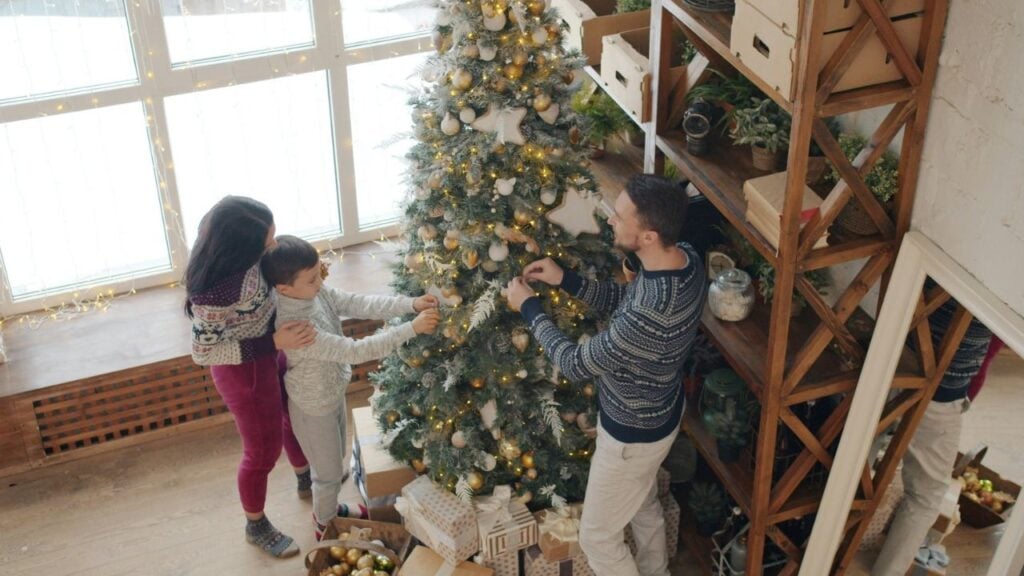
Holiday decorations are a great way of bringing the festive spirit into the home. However, they can also present several safety hazards to young children: candles, ornaments, artificial snow, holiday plants, etc. Simple precautions can be taken to avoid any injury when decorating the home.
Pediatrician Dawn D. Johnson, M.D., with Children’s Health and teaches as an Associate Professor at UT Southwestern, recommended checking the home for possible safety risks before putting up holiday decorations.
From keeping breakable bits of ornamentation well out of reach to using candles safely, these eight tips can help families get through the festive season decorating without the usual hazards to children.
1. Use Flame-Resistant Holiday Decorations

Be careful with flammable decorations, such as cards and similar items made from paper or cotton. If you use any such decorations, distance them from candles, fireplaces and lights.
If you have a real Christmas tree, choose flame-resistant ornaments made of metal or glass. If you are buying an artificial tree, make sure it’s fire-resistant. A well-watered real tree is less likely to catch fire.
2. Keep Fragile Ornaments Away From Children
Durable party decorations are often the best bet in a house with young kids. You might want to store the more delicate, breakable glass baubles and decorations until the kids are a bit older.
If you do go ahead and display them, just make sure they’re well out of reach. A good idea would be to fit a baby gate around the Christmas tree to keep the tree and the fragile decorations well out of the kids’ reach.
3. Clear Gift Wrappings and Ribbons After Unwrapping

The fun of opening presents is a major one for kids. The downside is the hazard presented by the wrapping paper itself. Ribbons, plastic and small bits of paper can all be a choking hazard. Sort and dispose of the packaging as soon as possible and keep all small bits out of reach.
4. Follow Candle Safety Precautions
If you’re using candles in the house at any time during the holidays, make sure you use them safely. Here are a few safety tips for using candles inside your home:
- Use non-flammable candle holders and don’t use glass or any other breakable containers.
- Keep candle holders well out of reach of children and don’t place them on a cloth that could be pulled easily by children.
- Never use lit candles on a tree or near any other evergreens.
Consider flameless candles to achieve the candlelight effect without the risk of fire. If it’s a battery-operated candle, make sure the batteries are secure.
5. Keep Button Batteries Out of Reach
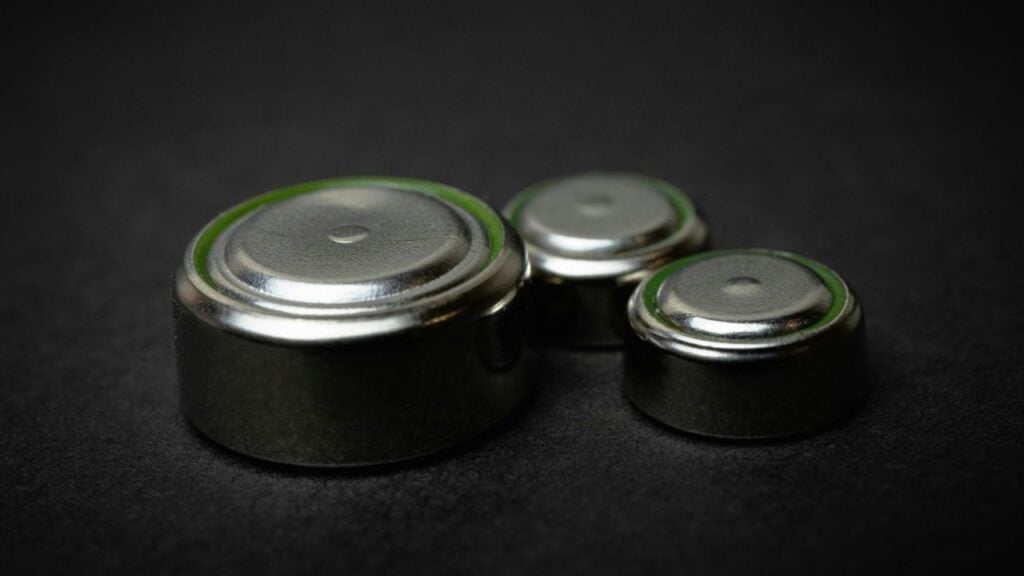
Button batteries in toys, musical greeting cards, remote controls and all sorts of festive decorations can be a real problem if ingested. The little shiny things are very attractive to young kids and if swallowed, can cause serious internal damage.
Keep these devices well out of reach, regularly check the battery compartments and ensure any loose batteries are securely stored. If you think your child has swallowed a button battery, then get medical help immediately.
6. Place Choking Hazards Out of Reach
Young children often put small objects in their mouths, making tiny figurines, decorated wreaths, potpourri, hard candies and nuts potential choking hazards. Keep these items out of their reach.
A simple way to check whether an object poses a choking risk is to see if it fits through a toilet paper roll. If it does, keep it away from young children.
7. Keep Holiday Plants Out of Children’s Reach

Traditional festive plants with their brightly coloured berries are of course beautiful and very tempting to little fingers on the lookout. Mistletoe, poinsettia and holly are the usual suspects.
The American Association of Poison Control Centers has reportedly advised that they are not poisonous, though ingestion can cause nausea, diarrhoea, tingling or a burning sensation in the mouth.
8. Check Holiday Decorations for Lead
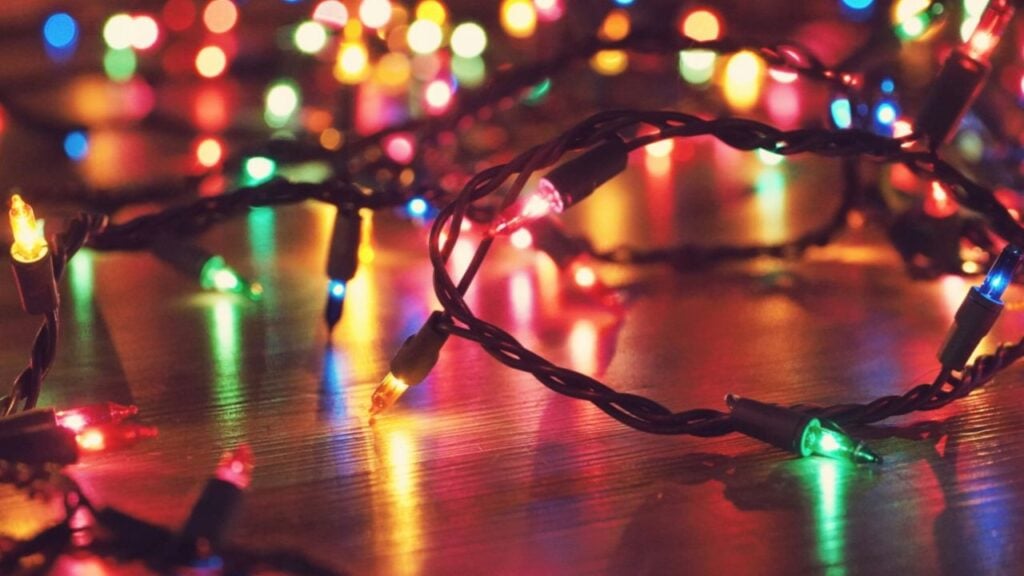
Strings of lights can be coated in lead-containing plastic, so wash your hands after you’ve handled them. Artificial trees or trees over nine years old, may also contain lead or shed lead dust as they age. Get rid of the old trees and check the labels on the new ones to see if they contain lead.

