

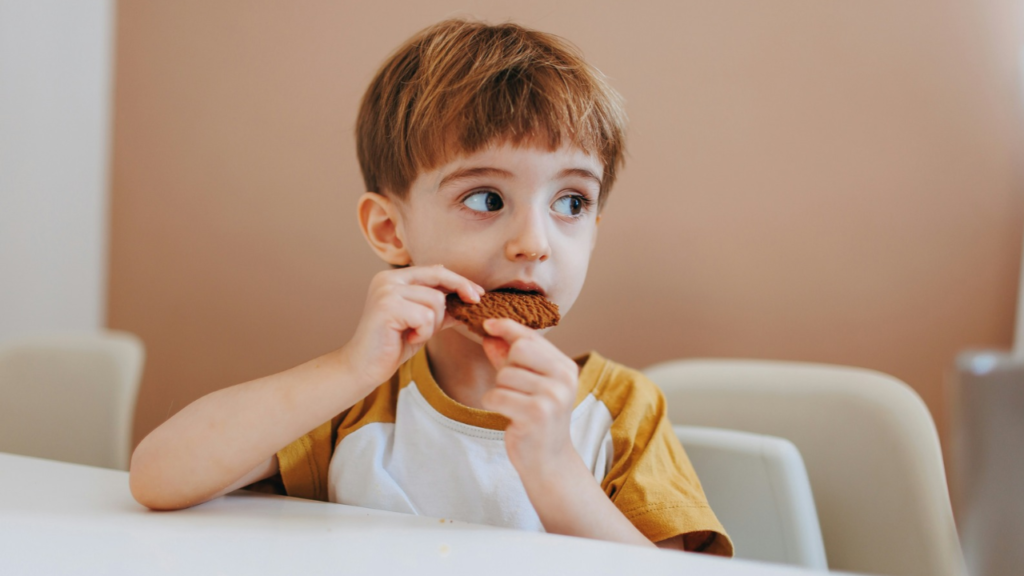
Picky eating is common in the toddler years as their growth rate slows right after infancy. Their appetite can vary from day to day, so it’s understandable for parents to feel unsure about how much to serve or what they’ll actually eat.
Toddlers also develop food preferences. They may like a food one day and refuse it the next. Some may stick to just one or two favorite foods for weeks at a time.
Although this can be frustrating, it’s generally part of normal development. The best thing you can do is offer healthy foods, keep mealtimes relaxed and give the child time to explore new tastes. Here are 10 tips to make feeding your toddler easier.
1. Make Family Meals a Daily Routine

Eat meals together as a family whenever possible. Turn off the TV and put phones away to help your toddler focus on their food. They learn their eating habits by watching you, so let them see you enjoying a range of foods.
Serve one meal for everyone and include at least one food that your toddler already likes. If they turn down what’s on their plate, don’t worry about preparing a separate meal.
2. Avoid Turning Mealtimes Into Battles
If your toddler is refusing to eat, don’t get frustrated. They may simply be eating less because they’ve already had a fairly filling meal or snack. Let them learn to recognize when they’re hungry and when they’re full.
Parents can choose what to serve and when, while the toddler decides how much they want to eat. Putting pressure on the child or punishing them for food will make mealtimes a very stressful affair.
3. Stop Using Treats as Food Rewards
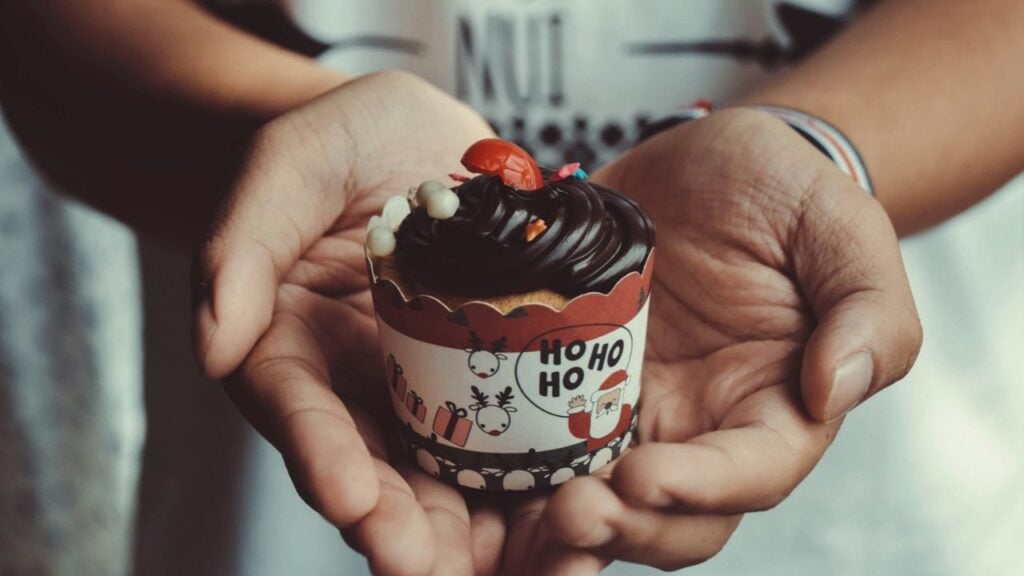
Offering a sweet as a reward for eating vegetables may sound like a simple way to get your toddler to eat their vegetables. The problem is that it makes the sweet even more desirable and makes the veg seem like something you have to eat to get it.
Instead, let your toddler explore different foods by offering no rewards and avoiding pressure. Keep mealtimes relaxed and give them the time and space to try new foods when they’re ready.
4. Keep Offering Foods Your Toddler Rejects
Refusing a food once doesn’t mean your toddler will never eat it again. They may need to see it, touch it, smell it and taste it several times before they’re willing to eat it.
Keep offering the foods your toddler has turned down without forcing them to eat. Maintaining regular meal times and limiting snacks between meals will help them feel hungry enough to try something new.
5. Introduce Different Foods, Flavors and Textures
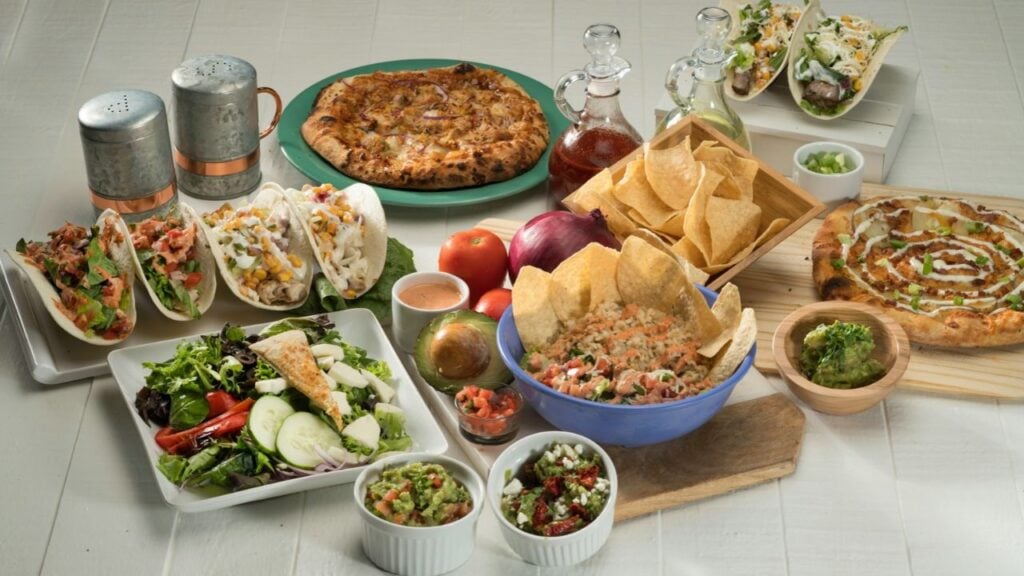
Serve a mix of fruits, vegetables, protein-rich foods and other healthy options. Add mild herbs and spices to introduce new flavors and make meals more interesting.
Serve small portions of new foods to avoid wasting too much. If your toddler isn’t interested, try the same food again in a week or two.
6. Turn Food Into a Fun Experience
Toddlers may be more interested in food if it looks appealing. Cut fruit, vegetables and other foods into simple shapes or color patterns they can recognize.
Offer finger foods and dips to encourage independent eating. Cut food into small pieces appropriate for the child’s age and avoid any potential choking hazards.
7. Let Toddlers Help Choose What They Eat
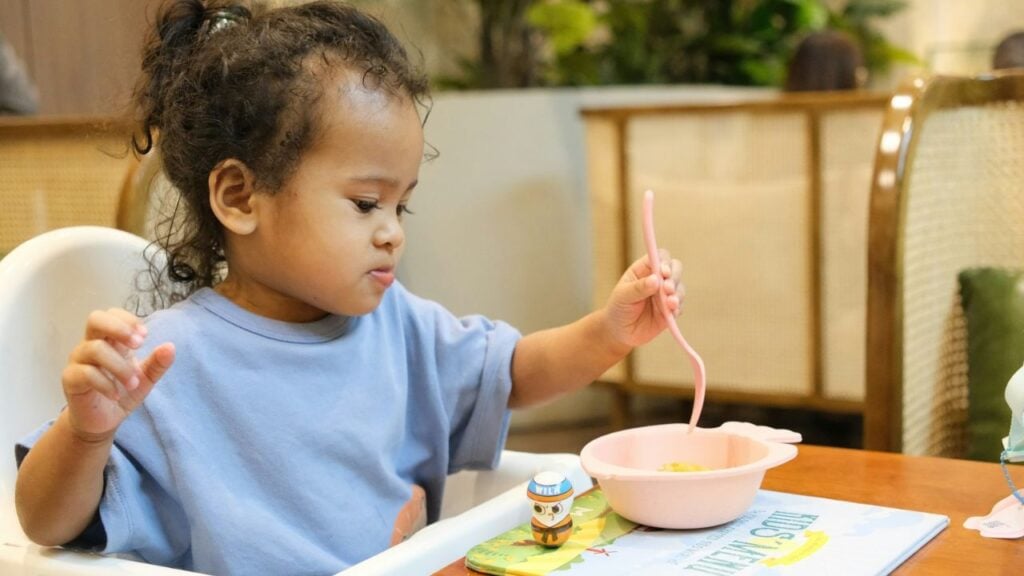
Toddlers often enjoy making choices as they become more independent, so let them pick a fruit or vegetable at the supermarket, or choose between two healthy meals at home.
You can also browse child-friendly cookbooks together and let them pick a recipe. A little choice can go a long way toward making mealtimes more enjoyable for everyone.
8. Encourage Toddlers to Help in the Kitchen
Simple kitchen tasks can go a long way toward getting toddlers used to food. With close adult supervision, you can encourage them to stir ingredients, sift flour, count items, pick herbs or brush oil onto food.
Letting children take part in preparing food can make them more interested in what they’re eating and help them feel more involved during mealtimes.
9. Use Familiar Foods to Introduce New Ones
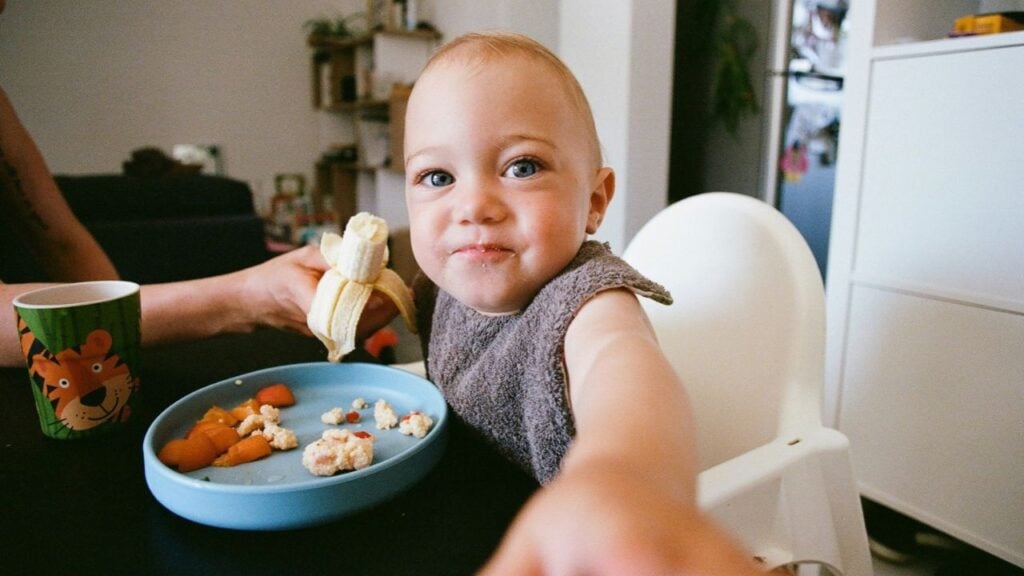
Try food bridging to introduce foods with a similar flavor, color or texture to something your toddler already likes.
If your toddler likes pumpkin, then you can introduce mashed sweet potato or carrot. A familiar food can make a new food seem less daunting.
10. Pair New Foods With Familiar Favorites
Serve the new food alongside one of the foods your toddler already eats. Putting a bitter vegetable next to something they know and love may be the key to getting them to try it.
For instance, serve broccoli with a sprinkling of grated cheese or serve a new veggie alongside their usual rice or pasta. Keep portions small and let them decide whether they want it.
When Should Parents Seek Advice?

If you’re worried about your toddler’s eating, speak to your pediatrician. They can assess the situation, identify any potential nutritional issues and advise you on how best to support healthy growth.
Picky eating is quite often a normal part of toddler development. Patience, sticking to a consistent range of foods and relaxed mealtimes can all go a long way to helping the child become more comfortable with a range of foods over time.

