

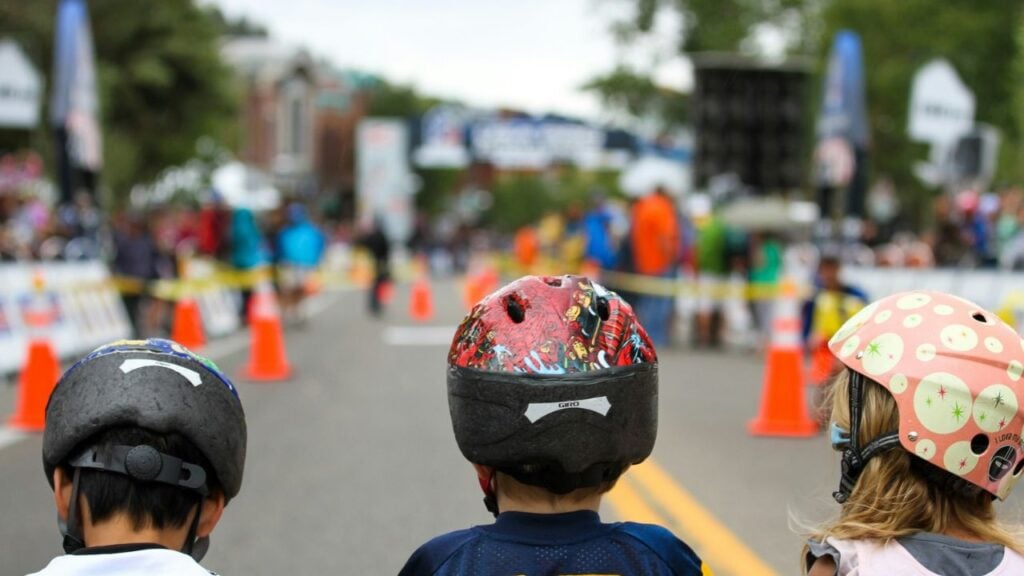
A bicycle helmet may look perfectly fine on a store shelf or tucked away in the garage, but appearance alone cannot tell parents whether it will protect a child in a crash.
A helmet that does not meet safety standards, fits poorly or has already absorbed an impact may offer less protection when it matters most.
The American Academy of Pediatrics (AAP) advised parents to choose a properly fitting bicycle helmet and replace one that has been in a crash, is damaged, or has been outgrown.
Before buying a new helmet or letting a child use an older one, check these five important safety points.
1. Check for the CPSC Safety Certification
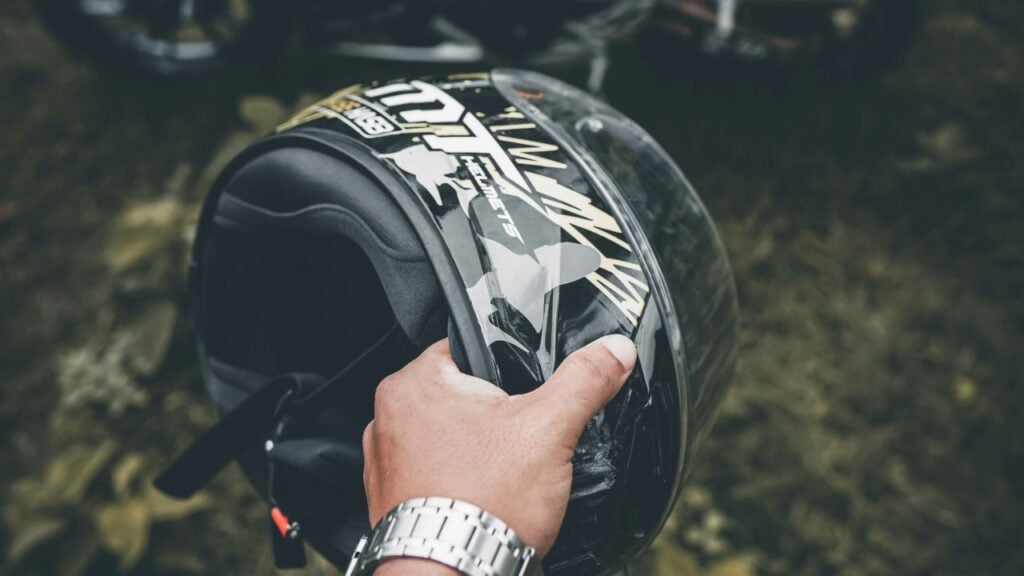
Start by checking the label inside the helmet. In the U.S., bicycle helmets must meet the Consumer Product Safety Commission (CPSC) safety standard, found under 16 CFR Part 1203.
The certification label is an important first check when shopping online or in stores. Avoid choosing a helmet based only on its appearance, price or advertised features.
Parents should also make sure they are buying a helmet intended for bicycle riding.
Some multisport helmets can be used for cycling, but only if they are certified to meet the CPSC bicycle helmet standard.
A helmet designed exclusively for skateboarding, football or another activity is not automatically suitable for riding a bicycle.
2. Make Sure the Helmet Fits Correctly
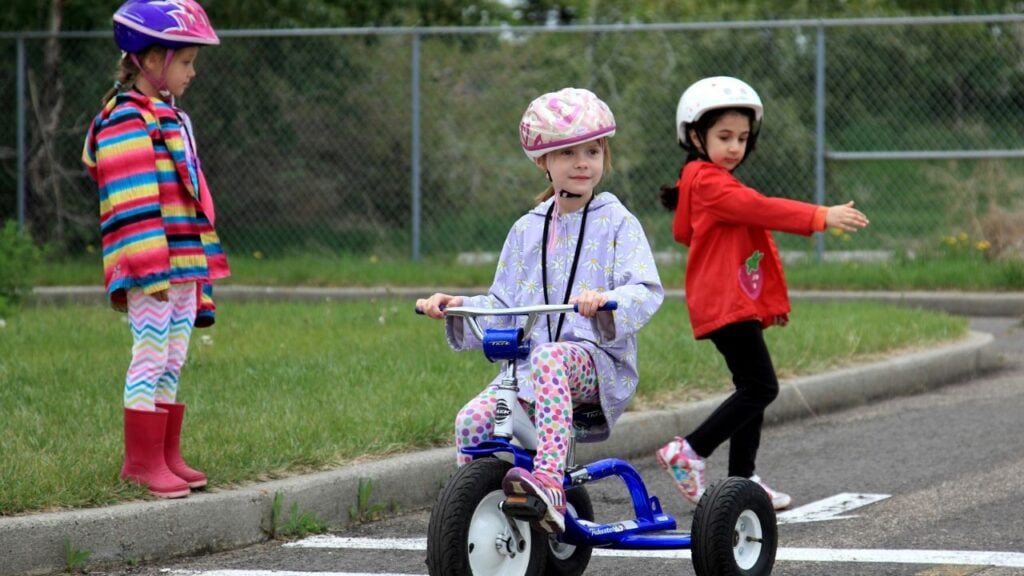
A certified helmet cannot provide its intended protection if it does not fit the child’s head. The helmet should sit level and squarely on top of the head, covering the forehead rather than tipping backward.
The front edge should sit approximately two finger-widths above the eyebrows, per CPSC helmet-safety guidance. When the child looks up, they should be able to see the helmet’s front edge.
Parents can check the fit by gently pushing and pulling the helmet. It should not slide around, move backward or fall over the child’s eyes. If it shifts easily, adjust the fitting pads or sizing system or try a different size.
A helmet that is too large is not a safe choice, even if a child will eventually grow into it.
3. Inspect the Straps and Buckle
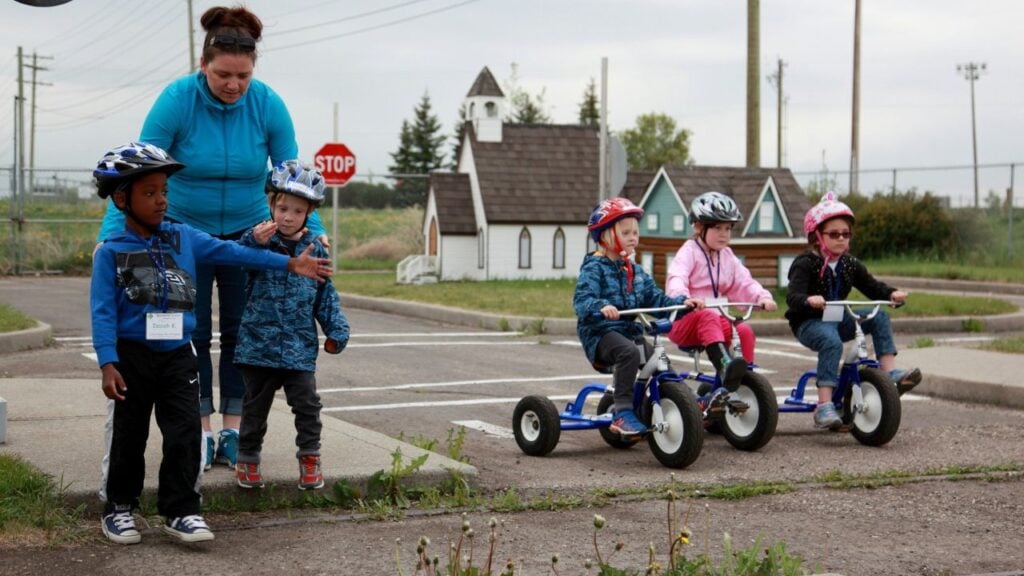
The chin strap helps keep the helmet in place during a fall. It should fit snugly beneath the chin, with the buckle securely fastened.
Check that the straps are not frayed, torn or stretched and that the buckle closes properly. The helmet should remain stable when the child shakes their head or moves around.
Parents should also check the manufacturer’s instructions for adjusting the straps and fitting system. A loose strap or faulty buckle can allow the helmet to shift or come off during a crash.
4. Look for Damage, Including Hidden Impact Damage
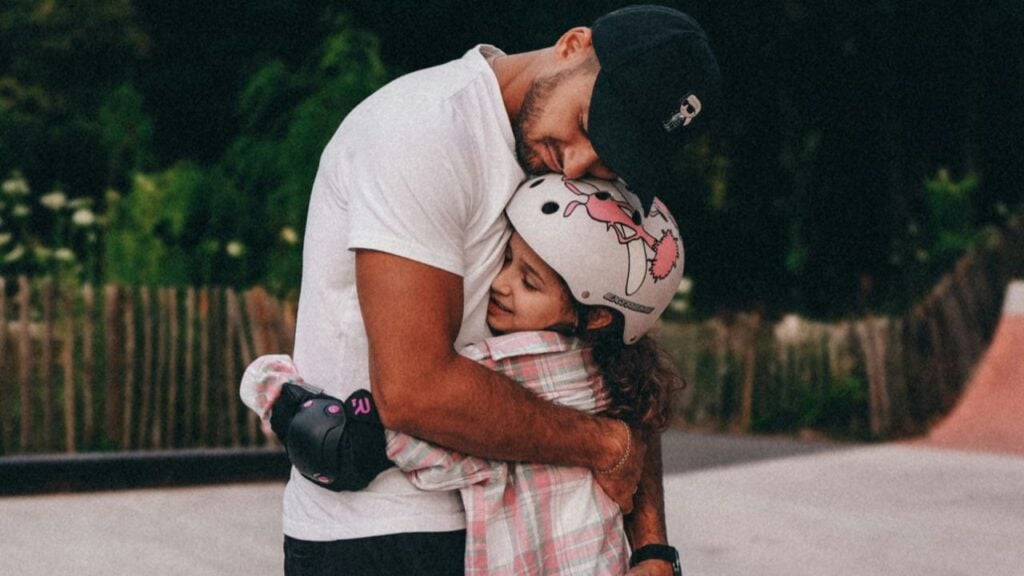
Before every ride, examine the helmet’s outer shell, inner foam liner, straps and padding. Look for cracks, dents, crushed foam, loose components or missing parts.
However, a visual inspection cannot always establish whether a helmet is safe. The CPSC warns that impact damage may not be visible.
A bicycle helmet that has been involved in a crash or significant impact should be replaced, even if it looks undamaged.
Do not assume that a helmet is reusable simply because the child did not suffer an obvious injury. Once the helmet has absorbed an impact, it may no longer provide adequate protection in another accident.
5. Check Its Age and Avoid Secondhand Helmets
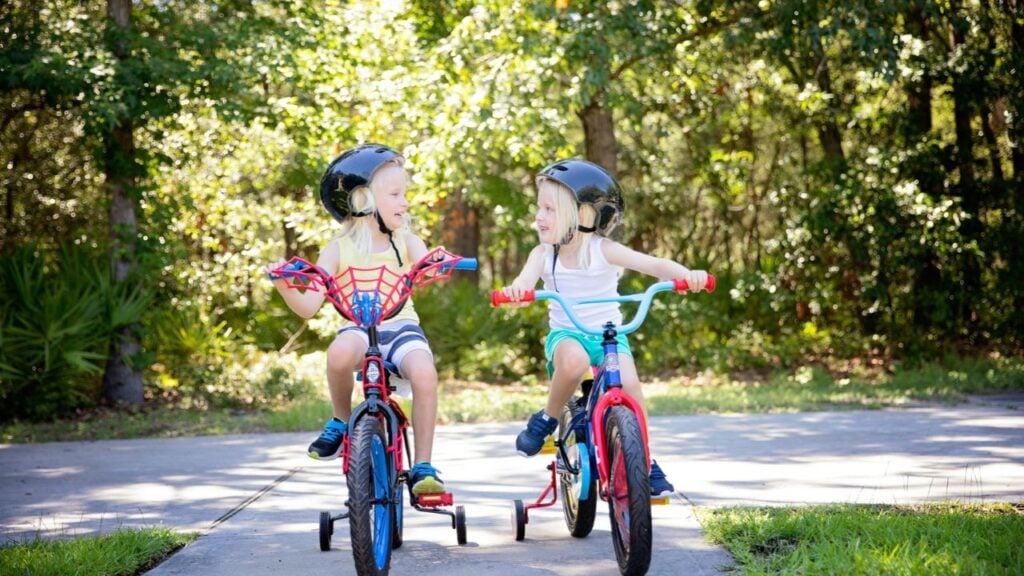
An e-bike helmet can become less reliable as its materials age. The AAP recommends replacing children’s bicycle helmets every five years or according to the manufacturer’s recommended schedule.
Parents should also replace a helmet that has become too small. A helmet that no longer fits securely cannot provide the intended protection, even if it is relatively new.
Buying or reusing a secondhand helmet can be risky because its age, storage conditions and crash history may be unknown.
The AAP advises parents not to buy, donate or resell used bicycle helmets for this reason. When in doubt, choosing a new, certified helmet that fits the child properly is the safer option.

