
Foster's Home for Imaginary Friends
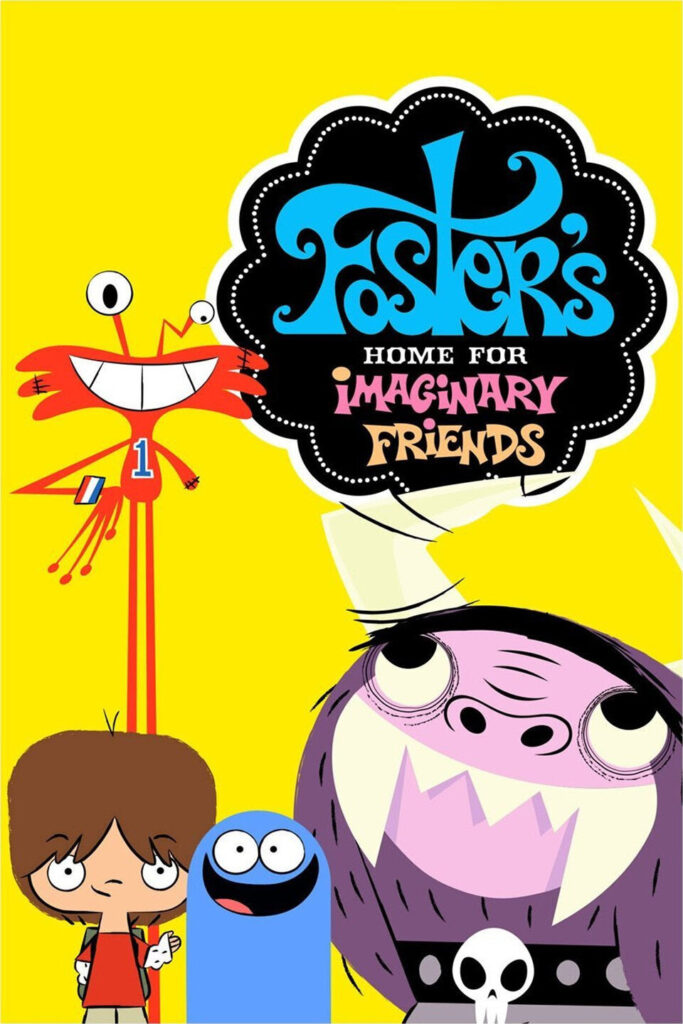
Synopsis:
When children outgrow their imaginary friends around age seven or eight, these colorful companions don't simply disappear—they find refuge at Foster's Home for Imaginary Friends, a special haven founded by the kindly Madam Foster. The animated series follows Mac and his blue imaginary friend Bloo as they navigate life at this extraordinary home alongside other abandoned imaginary friends, including the gentle giant Eduardo, the perpetually apologetic Wilt, and the egg-laying Coco. Together with Frankie, the home's caretaker, and the strict Mr. Herriman, they experience daily adventures filled with humor and heart. This imaginative premise explores themes of friendship, growing up, and finding where you belong, creating an entertaining world where the power of childhood creativity takes physical form and these once-beloved companions continue their existence in a place designed just for them.
Where To Watch: Foster's Home for Imaginary Friends
Foster’s Home for Imaginary Friends Reviews From Parents
No written parent reviews yet — be the first!
Parental Feedback
Foster’s Home for Imaginary Friends offers a whimsical and fast-paced animated experience that blends imaginative storytelling with lighthearted comedy. Parents should expect a colorful world filled with quirky characters and creative scenarios that celebrate childhood imagination, though the humor occasionally leans toward the absurd and energetic. The tone remains consistently upbeat and family-friendly, with episodes that explore themes of friendship, acceptance, and growing up without becoming overly intense or emotionally heavy for young viewers.
Why Kids Should Watch Foster’s Home for Imaginary Friends
Foster’s Home for Imaginary Friends provides several valuable lessons wrapped in entertaining animation.
The series celebrates creativity and imagination by presenting a world where imaginary friends are real, tangible characters with distinct personalities. This concept validates children's imaginative play and encourages them to embrace their creative thinking.
The diverse cast of characters, including the kind-hearted Eduardo, the helpful Wilt, and the eccentric Coco, demonstrates that differences should be celebrated rather than feared. Each imaginary friend brings unique qualities that contribute to the home's community.
The show explores themes of friendship and loyalty through Mac's relationship with Bloo and the various interactions among the residents of the foster home. These relationships model how friends support each other despite disagreements and misunderstandings.
The animation style is vibrant and engaging, with creative character designs that capture children's attention while the episodic format makes it easy for young viewers to follow along. The 30-minute runtime is appropriate for maintaining focus without overwhelming shorter attention spans.
Why Kids Shouldn't Watch Foster’s Home for Imaginary Friends
Parents may want to consider a few aspects before allowing younger children to watch.
Bloo's character often exhibits selfish and mischievous behavior that could be imitated by impressionable viewers. His schemes and self-centered actions sometimes drive the plot, which might send mixed messages about appropriate conduct.
The fast-paced humor and chaotic energy of certain episodes may be overstimulating for sensitive children or those who prefer calmer programming. The rapid-fire jokes and energetic animation style can feel overwhelming during extended viewing sessions.
Some episodes touch on themes of abandonment and being left behind, as the premise centers on imaginary friends whose children have outgrown them. While handled gently, these concepts might raise questions or concerns for younger or more emotionally sensitive viewers.
Verdict: Parent Approved
Foster’s Home for Imaginary Friends is a creative and generally positive choice for families, offering imaginative storytelling with valuable lessons about friendship and acceptance, though parents should be prepared to discuss Bloo's occasionally problematic behavior.
What Parents Should Know About Foster’s Home for Imaginary Friends
| Question | Answer |
|---|---|
| Does this TV Show model positive behavior that my child can understand and repeat? | Characters like Wilt, Eduardo, and Frankie consistently demonstrate kindness, helpfulness, and responsibility, though Bloo often models selfish behavior that requires correction from others. |
| Does this TV Show include emotional moments my child might find confusing or intense? | The premise involves imaginary friends who have been left behind by their creators, which may prompt questions about abandonment, though these themes are generally presented in a lighthearted manner. |
| Does this TV Show show consequences for unkind or unsafe behavior? | Episodes typically show characters facing consequences for mischief and selfishness, with Bloo's schemes often backfiring and requiring him to make amends. |
| Does this TV Show reinforce helpful social skills like sharing, apologizing, or teamwork? | The residents of the foster home regularly work together to solve problems, and episodes frequently emphasize the importance of cooperation, compromise, and considering others' feelings. |
| Will my child come away with any clear moral or message? | Most episodes conclude with lessons about friendship, acceptance of differences, taking responsibility for one's actions, and the value of imagination and creativity. |
The Overall Sentiment From Parental Feedback
Parents generally appreciate Foster’s Home for Imaginary Friends for its creative premise and colorful animation that keeps children engaged while delivering positive messages about friendship and acceptance. Many families value how the show celebrates imagination and features diverse characters with distinct personalities, making it easy for children to find someone they relate to. Some parents express minor concerns about Bloo's selfish behavior and whether young viewers might imitate his mischievous actions without understanding the consequences shown later in episodes. Overall, the consensus leans positive, with most parents considering it appropriate entertainment that sparks conversations about treating others with kindness and respecting differences within a community.
Foster's Home for Imaginary Friends Official TV Show Trailer
Why Kids Love Foster's Home for Imaginary Friends
Kids love the colorful cast of imaginary friends who live together at Madame Foster's home. Each character brings their own quirky personality, from the enthusiastic Bloo to the gentle Eduardo, creating a house full of funny and unexpected moments that keep young viewers laughing.
The show celebrates what makes each imaginary friend special and different. Children connect with the idea that being unique is something to embrace, as every friend at Foster's has their own distinct look and way of doing things that makes them valuable to the group.
Mac's relationship with his imaginary friend Bloo shows kids the importance of loyalty and sticking together. The bond between a child and their imaginary companion resonates with young audiences who understand the power of friendship, even when that friend is one only they can truly understand.
The bright, animated world of Foster's Home creates an inviting space where anything feels possible. With Frankie helping to manage the household and Mr. Herriman keeping things organized, the home becomes a place where imaginary friends support each other and welcome newcomers who need a place to belong.