

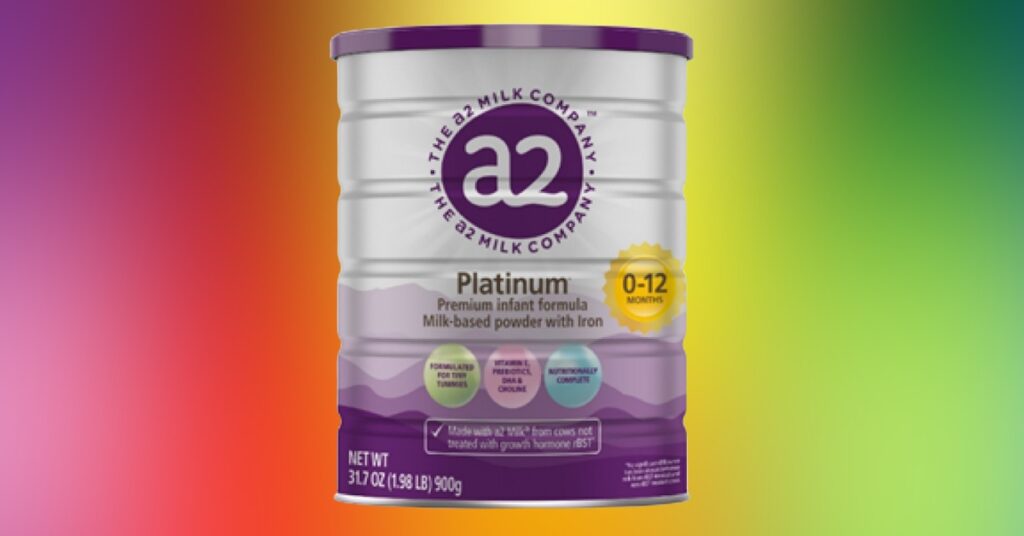
Three batches of the powdered formula were found to contain cereulide, a heat-stable toxin that can cause vomiting and dehydration in babies
Parents and caregivers who use a2 Platinum Premium USA infant formula should stop feeding it to their babies immediately: the a2 Milk Company has voluntarily recalled three batches of the powdered formula after laboratory testing detected cereulide, a bacterial toxin capable of triggering vomiting and dangerous dehydration in newborns and young infants. The FDA issued the recall notice on May 2, 2026, and no confirmed illnesses have been reported so far.
Which Products Are Affected
The recall covers three specific batches of a2 Platinum Premium USA infant formula, a powdered formula with added iron designed for children from birth through 12 months, packaged in tins weighing just under two pounds.
According to the voluntary recall announced by the A2 Milk Company, the affected batches carry use-by dates of July 15, 2026, January 15, 2027, and January 21, 2027. The batch numbers are printed on the bottom of each tin along with the use-by date. Parents should photograph that information before returning any product.
Across the three batches, the total production run was 63,078 units, of which roughly 16,428 reached consumers’ hands. Retailers carrying the product included the a2 Milk Company’s direct website, Amazon, and Meijer stores.
Families who purchased through any of those channels should check their supply right away.
Here is the full list of recalled products:
| Product Name | Packaging Format | Batch Number | Use By Date |
|---|---|---|---|
| a2 Platinium Premium infant formula 0-12 months Milk-based powder with Iron | 31.7oz tin | 2210269454 | 7/15/2026 |
| 31.7oz tin | 2210324609 | 1/21/2027 | |
| 31.7oz tin | 2210321712 | 1/15/2027 |
What Is Cereulide And Why Is It Dangerous For Babies
Cereulide is a toxin generated by certain strains of the bacterium Bacillus cereus, a microorganism associated with food poisoning. What makes it particularly concerning in infant formula is a combination of factors that go beyond a typical foodborne illness scenario.
First, the toxin acts fast. Onset of symptoms such as nausea and forceful vomiting can occur anywhere from half an hour to six hours after a baby consumes contaminated formula. Second, and critically for parents who might think they can work around the problem, preparing the formula in hot water does not eliminate the toxin because cereulide is heat-stable, according to the FDA. Boiling water, a step many caregivers use to sterilize formula, will not neutralize it.
Third, the biology of powdered formula itself creates a window of risk. As Consumer Reports explains, Bacillus cereus spores can also be present in dry powdered infant formula and germinate when the powder is dissolved in water and left to sit for several hours at room temperature. This means that even formula not covered by this specific recall carries a general risk if it is prepared in advance and left standing.
How Sick Can a Baby Get
For most infants, cereulide-related symptoms tend to clear up on their own within about a day, the FDA notes. However, the stakes are higher for babies than for older children or adults.
Repeated vomiting episodes can accelerate fluid loss, and infants are far more vulnerable to the consequences of dehydration than older individuals whose bodies can compensate more effectively. If your baby is vomiting repeatedly or showing signs of dehydration such as a dry mouth, fewer wet diapers, or unusual lethargy, contact your pediatrician or seek emergency care without delay.
It is also worth noting that the World Health Organization reports that cereulide is not routinely screened for in infant formula manufacturing, which is part of why this recall came as a surprise. The contamination was discovered only because the a2 Milk Company conducted testing in response to new guidance issued by New Zealand’s food regulatory authority. An ingredient used in the formula was identified as the probable source of the toxin.
Even beyond this specific recall, the science around Bacillus cereus offers a practical lesson for all formula-feeding families. The CDC recommends using prepared infant formula within two hours of preparation and within one hour of the start of a feeding. The German Federal Institute for Risk Assessment echoes this guidance, emphasizing that the formula should be prepared immediately before offering it to your baby rather than mixed in advance and stored at room temperature. These habits reduce the chance that any bacteria present in powdered formula have time to multiply and produce toxins.
What To Do If You Have The Recalled Formula
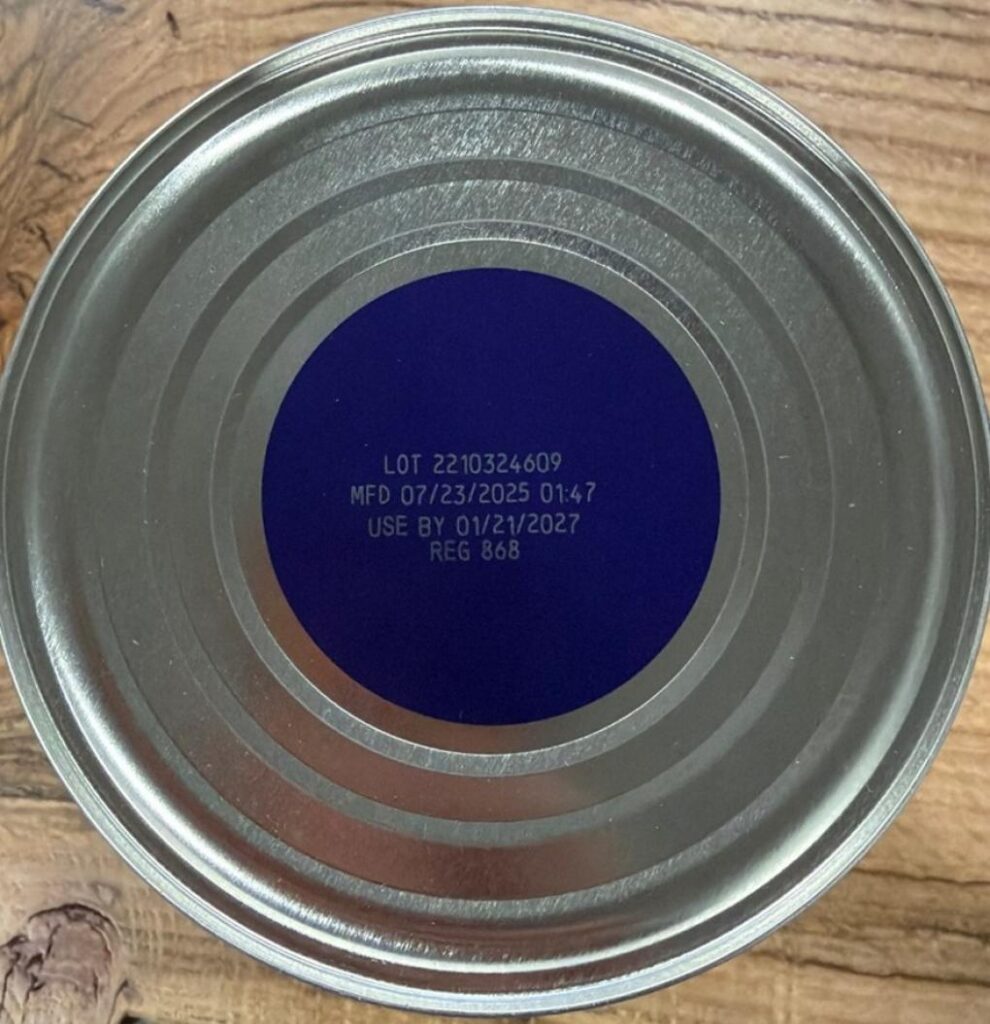
Do not use any tins matching the recalled batch numbers, regardless of whether your baby has shown symptoms. As reported by People, the a2 Milk Company advises consumers to either discard the product or return it to the place of purchase for a full refund. Before discarding or returning, photograph the batch number and use-by date on the bottom of the tin for your records.
If you have questions or need assistance, the company’s consumer line is 1 844 422 6455, available Monday through Friday from 8 a.m. to 5 p.m. Eastern Time. You can also reach the company by email at hello@a2platinum.com. To report an adverse event or illness to the FDA, families can submit a report through the FDA’s MedWatch program online or by mail.
Parents who need to switch to a different formula brand immediately should consult their pediatrician, especially if their baby has specific nutritional needs or sensitivities that led them to choose the a2 formula in the first place.
Why This Recall Is Important Beyond One Brand
This is not the first time infant formula safety has made national headlines in recent years, and it underscores how much families depend on regulatory systems and company testing protocols to catch problems before they cause harm.
The fact that no illnesses have been reported is a testament to the testing process working as intended. But it also highlights a gap: because cereulide is not a standard target in formula quality testing, this contamination might have gone undetected under ordinary circumstances.
For parents navigating formula feeding, staying informed about recalls is an ongoing responsibility. Bookmarking the FDA’s recall database and signing up for alerts can help you act quickly if a product your family uses is ever flagged.
The speed with which caregivers respond to a recall like this one can make a meaningful difference in outcomes for vulnerable infants.
The a2 recall is a reminder that even premium, specialty formulas are not immune to contamination events, and that the safeguards protecting babies often depend on regulatory guidance evolving in real time. New Zealand’s updated testing standards prompted the discovery here.
That is a good outcome, but it also raises a fair question for parents: What else might not yet be on the standard testing checklist? Advocating for stronger, more comprehensive screening requirements for infant formula is something that parent communities and pediatric health advocates are well-positioned to push for.

