

Preparing kids for school isn’t just buying backpacks and pencils—it’s also teaching what to do when something feels wrong.
As another school year approaches, parents are once again thinking about teachers, supplies, schedules and getting kids back into a routine. But school safety has become another uncomfortable item on the back-to-school checklist, making conversations about emergencies, boundaries, bullying and personal safety increasingly important.
The National Children’s Alliance stresses that safety is about more than locked doors and emergency drills, arguing that “some of the most effective ways to keep kids safe happen long before they ever step into their classroom.”
That doesn’t mean parents should frighten children with worst-case scenarios. Mental Health America notes that children can experience anxiety and fear around school violence, and says conversations about safety can help ease those concerns while giving kids tools to respond appropriately.
How Parents Can Talk Without Creating Fear
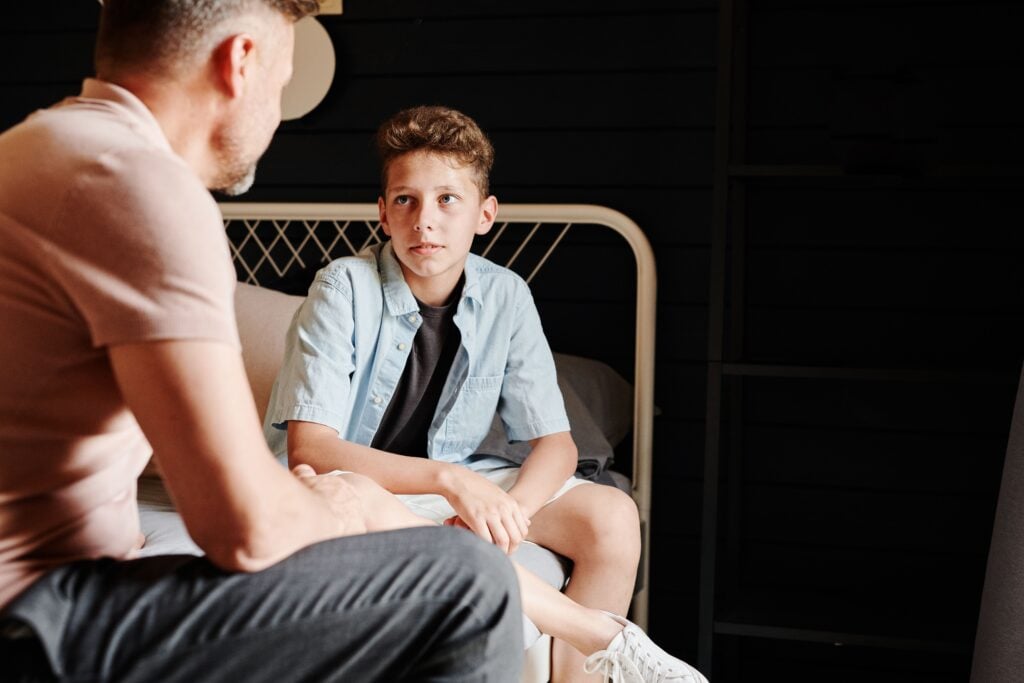
The key is to keep conversations calm, honest and age-appropriate. A kindergartener doesn’t need the same discussion as a high school student, but every child should know which adults they can approach if they’re frightened, threatened, bullied or simply uncomfortable.
Mental Health America recommends encouraging children to express their concerns, validating their feelings and explaining the safety procedures already in place at school. Parents can also create a simple safety plan with their child that identifies trusted adults and establishes how the child can contact family members during an emergency.
Parents should also keep asking questions throughout the school year rather than treating safety as a single annual conversation. The National Children’s Alliance suggests replacing the automatic “How was school?” with questions such as whether anything made a child uncomfortable, whether anyone asked them to keep a secret or whether anything unusual happened online.
What Parents Should Look for at School
Parents have every right to ask schools how they prepare for emergencies and how quickly they can communicate with families. According to Fox News, parents should ask about staff training, emergency equipment, classroom safety measures and the school’s ability to notify families during a crisis.
But physical security shouldn’t be the only consideration. Parents should also look for accessible counselors and trusted adults, clear reporting procedures for bullying and threats, appropriate digital-safety policies and a school culture where children feel comfortable speaking up.
As the National Children’s Alliance puts it, children need to know they can come to their parents without fear of getting in trouble. The goal isn’t to convince children that school is dangerous. It’s to make sure they know what safety looks like, who can help them and what they can do when something doesn’t feel right.

