


A dad’s warmth and attentiveness in a child’s early years may affect their health more than many families realize.
A Penn State study of 399 families found that children whose fathers were less attentive in infancy were more likely to have worse heart and metabolic health markers at age 7.
Researchers didn’t find the same link with mothers. This is not about comparing mothers and fathers or saying one is more important than the other. It’s simply evidence of the importance of the father’s role in a child’s life.
The findings add to the growing body of evidence that dads can impact a child’s health and wellbeing from the earliest months.
How Fathers Shape the Home Environment
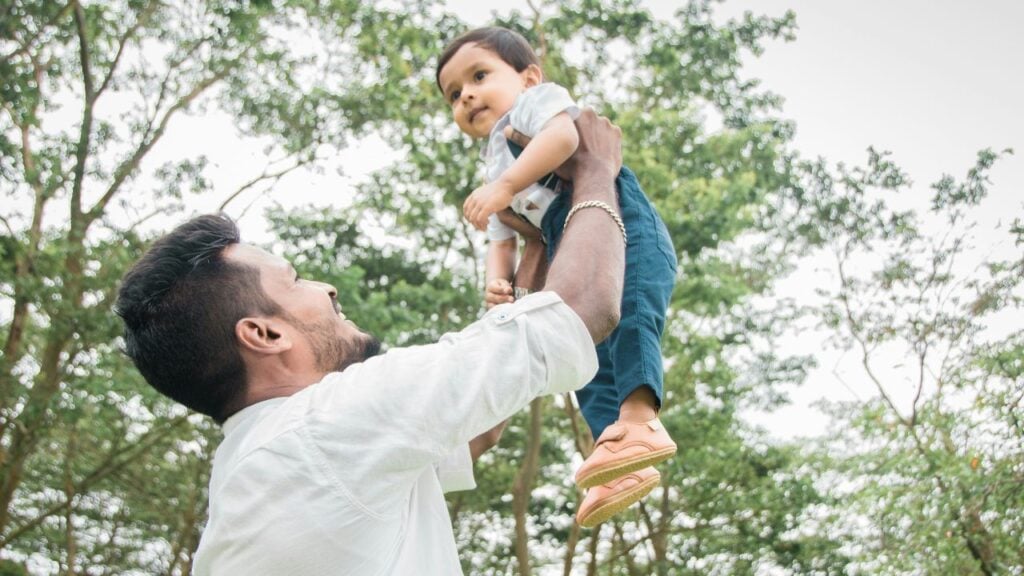
The study suggested that fathers’ behavior can shape the family environment and affect a child’s health over time. Fathers can be a significant influence and when they are involved and responsive, they can help create a more supportive home environment.
Researchers found that fathers who were less responsive to their 10-month-olds were more likely to compete for their child’s attention or to withdraw from play at 2 years of age. By age 7, these children had higher blood sugar and inflammation markers.
These markers don’t necessarily indicate that a child has a health problem. They may, however, be associated with an increased risk of health problems later in life.
An earlier study has also shown an association between high-conflict homes and increased risk of inflammation and blood sugar issues.
Other Research Shows the Value of Involved Fathers

Other studies have found similar results. The 2024 NUS (National University of Singapore) evidence brief states that father involvement in the early years can positively affect children’s health, emotional development, and learning.
It also notes that fathers can be particularly valuable in the infant and toddler years by helping children regulate their emotions and through active play.
Fathers are also taking on more parenting roles than in the past. A review of fathers’ role in child and family health notes that today’s dads are much more involved in caring for their children. Many also regard parenting as a significant part of their lives.
Mothers Continue to Play an Important Role
The researchers aren’t saying mothers don’t matter. Senior author Hannah Schreier makes it clear that the study doesn’t suggest fathers are the only parents who affect children’s health.
Co-author Jennifer Graham-Engeland has one possible explanation for the difference. Mothers are typically the primary carers, so their behavior will set the pattern at home. A father’s behavior may reinforce that pattern or alter it.
Early Time Together Can Strengthen the Father-Child Bond

New dads need time with their babies to build that bond. One U.S. study found that dads who took at least two weeks of leave had a closer relationship with their kids and communicated better with them.
The study also noted that the U.S. does not have a national paid parental leave policy for most workers.
Without paid leave, parents may have to return to work sooner than they would like, leaving them with less time to bond with and care for their babies.
Simple Ways Fathers Can Support Their Children
The research points to everyday habits that can help fathers build a closer bond with their children:
- Watch your baby’s signals and respond to them with care and attention.
- Take turns during play rather than competing with your partner for your child’s attention.
- Stay calm under stress. Kids learn by watching how you manage your emotions.
- Spend some time just playing with your child on the floor.
Important Limits to Keep in Mind
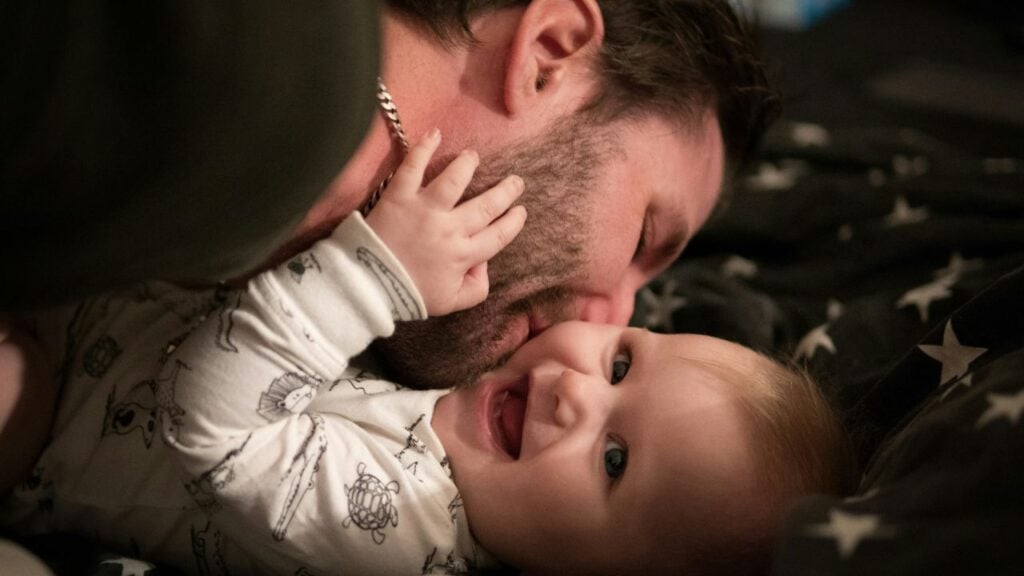
The findings are extremely preliminary. Ohio State psychologist Sarah Schoppe-Sullivan told the Khaleej Times that the study found a link between parenting and child health, but it can’t establish that father behavior caused the differences.
The study also looked at a fairly small number of families. The majority were white, had above-average income and education levels, and were two-parent families (mother and father) with their first child. The researchers are very much aware of the diversity of family forms.
The findings highlight the need to support fathers and other caregivers by giving them the time and resources to care for babies, which may benefit children’s health.

