

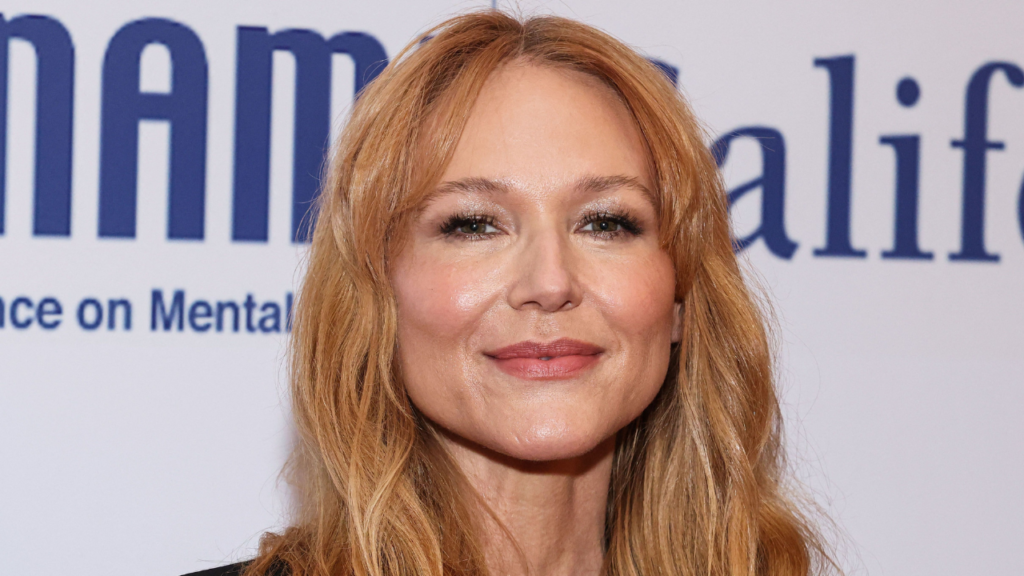
Parents teach kids to brush their teeth, wash their hands and take care of their bodies. But what about teaching them to take care of their minds? Singer Jewel is making “mental hygiene” part of the conversation with her teenage son—and it offers parents a simple way to talk about emotional wellness.
Jewel recently opened up about the mental-health lessons she teaches her 15-year-old son, Kase, drawing on her own difficult childhood experiences. She says she wants him to understand that taking care of his inner life is a skill that can be learned and practiced.
“We all have brains, and so we all have to learn tools to have good mental hygiene and good mental health hygiene,” Jewel told Us Weekly. She connects thoughts, emotions and physical responses, encouraging her son to notice what is happening inside him.
Jewel also emphasizes personal responsibility without dismissing difficult emotions. “Be accountable and curious about what you’re feeling,” she tells her son, encouraging him to ask what his emotions might need rather than simply trying to avoid uncomfortable feelings.
So, What Exactly Is Mental Hygiene?
Mental hygiene is essentially the practice of maintaining mental and emotional well-being through regular habits. Lakehead University describes it as “daily activities that support and maintain mental health,” comparing it to the everyday routines people use to maintain physical and dental health.
That means mental hygiene doesn’t necessarily involve waiting until something is seriously wrong. Instead, children can learn small habits that support resilience, emotional regulation and overall wellness before they encounter a major challenge.
Those habits can include deep breathing, journaling, mindfulness, gratitude exercises, self-compassion and spending time in nature. Lakehead notes that The Royal Ottawa Health Care Group has identified 17 research-based mental hygiene practices that can be incorporated into daily life.
How Parents Can Help Kids Build Mental Hygiene Habits
The conversation can start simply. Parents can ask open-ended questions about how children are feeling, listen without immediately trying to solve the problem and make it clear that talking about mental health isn’t something to fear or hide.
The Children’s Hospital of Philadelphia recommends letting young people guide these conversations and listening without judgment. “Let the young person steer the conversation, not the parent,” the hospital advises.
Parents can also model healthy habits themselves by naming emotions, taking breaks, practicing self-care and showing children how they seek help when needed. If a child is showing significant changes in behavior, sleep, appetite or social engagement, CHOP recommends discussing those concerns with a healthcare provider.

