
FairyTale: A True Story (1997)
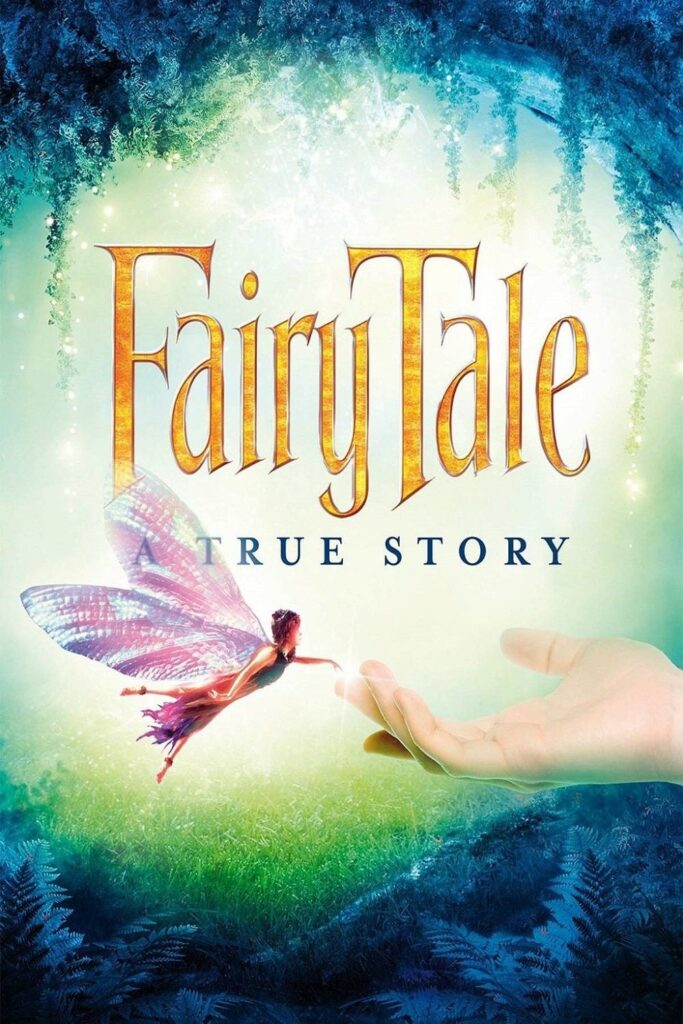
Synopsis:
Two young girls, Elsie Wright and Frances Griffiths, capture a mysterious photograph that sparks international debate about the existence of fairies. Set during wartime, their image attracts the attention of notable figures including Sir Arthur Conan Doyle, the creator of Sherlock Holmes, and famed magician Harry Houdini, who find themselves on opposite sides of the controversy. As the photograph gains widespread attention, some view it as groundbreaking scientific proof of the supernatural, while others remain skeptical. This family-friendly fantasy drama explores themes of belief, wonder, and imagination through the lens of the real-life Cottingley Fairies incident, inviting audiences to consider what they choose to believe when faced with the seemingly impossible.
Where To Watch: FairyTale: A True Story
Parental Feedback
FairyTale: A True Story offers a gentle, contemplative pace that invites families into a period drama centered on wonder, belief, and the power of imagination. The tone balances moments of emotional weight—particularly themes of grief and loss—with a sense of enchantment and mystery surrounding the children's fairy photographs. Parents should expect a thoughtful, dialogue-driven story rather than action-packed sequences, with underlying themes of faith, skepticism, and the need for hope during difficult times that may resonate differently depending on a child's age and sensitivity.
Why Kids Should Watch FairyTale: A True Story
FairyTale: A True Story provides several meaningful opportunities for family viewing and discussion.
The story celebrates imagination and the importance of believing in wonder, showing how two young girls use creativity and hope to cope with the hardships of wartime England. This central theme encourages children to value their own imaginative play and the comfort it can bring.
The presence of historical figures like Sir Arthur Conan Doyle and Harry Houdini introduces children to real people from the past in an accessible way. Their contrasting perspectives on belief and evidence create opportunities for families to discuss critical thinking and different ways of understanding the world.
The film showcases strong family bonds and the resilience of children facing difficult circumstances, particularly the loss experienced during wartime. These portrayals can help children understand how families support one another through challenging times.
The PG rating and family-friendly genre classification make it an appropriate choice for shared viewing experiences. The mystery surrounding the fairy photographs maintains engagement while remaining suitable for younger audiences.
Why Kids Shouldn't Watch FairyTale: A True Story
Parents may want to consider several factors before viewing FairyTale: A True Story with their children.
The film deals with themes of grief and wartime loss that may be emotionally intense for sensitive or younger children. The context of World War I and its impact on families could require parental guidance and discussion to help children process these heavier elements.
The slower, dialogue-heavy pacing typical of period dramas may not hold the attention of children accustomed to faster-paced entertainment. Some viewers might find the contemplative storytelling style less engaging than more action-oriented family films.
The central ambiguity about whether the fairies are real or imagined may be confusing for younger children who prefer clear-cut answers. The film's exploration of belief versus skepticism requires a level of abstract thinking that may be challenging for some age groups.
Verdict: Parent Approved
FairyTale: A True Story earns approval as a thoughtful, age-appropriate family film that balances wonder with emotional depth, though parents should be prepared to discuss its more serious themes with younger or sensitive viewers.
What Parents Should Know About FairyTale: A True Story
| Question | Answer |
|---|---|
| Does this Movie model positive behavior that my child can understand and repeat? | Yes, the film shows children supporting their family through difficult times, using imagination constructively, and maintaining hope in the face of adversity. |
| Does this Movie include emotional moments my child might find confusing or intense? | Yes, themes of wartime loss and grief are present throughout the story and may require parental guidance for younger or more sensitive children. |
| Does this Movie show consequences for unkind or unsafe behavior? | The film focuses more on belief and imagination than on behavioral consequences, with skepticism and faith presented as competing perspectives rather than right or wrong choices. |
| Does this Movie reinforce helpful social skills like sharing, apologizing, or teamwork? | Yes, the story demonstrates family cooperation and the importance of supporting loved ones through challenging circumstances. |
| Will my child come away with any clear moral or message? | Yes, the film's tagline "Believe" reflects its central message about the value of wonder, imagination, and maintaining hope even during difficult times. |
The Overall Sentiment From Parental Feedback
Parents generally appreciate FairyTale: A True Story as a wholesome family option that introduces children to a fascinating historical event while exploring timeless themes of belief and imagination. Many families value the film's gentle approach to serious topics like grief and loss, finding it creates opportunities for meaningful conversations. The PG rating is considered appropriate by most parents, though some note that the slower pacing and period setting may not appeal to all children. The presence of respected actors and the basis in true events add educational value that parents find worthwhile. Overall, families who enjoy thoughtful, character-driven stories tend to respond positively, while those seeking more excitement may find it less engaging for younger viewers.
Official FairyTale: A True Story Trailer
Why Kids Love FairyTale: A True Story
Two young girls discover something extraordinary in their own backyard when they spot tiny, glowing fairies flitting through the garden. The magical creatures dart between flowers and dance in the sunlight, creating a secret world that only Elsie and Frances can see. When they snap a photograph of the fairies, the image sparks a mystery that draws famous visitors to their small village.
The hunt for proof becomes an exciting adventure when Harry Houdini himself arrives to investigate whether the fairies are real. Sir Arthur Conan Doyle, the creator of Sherlock Holmes, also gets involved in solving this puzzling case. Kids love watching these famous grown-ups try to figure out what the girls have really discovered.
The film brings a hidden magical kingdom to life right in an ordinary English garden, where shimmering fairies create their own tiny world among the flowers and streams. Elsie and Frances form an unexpected friendship with these mysterious creatures, standing up for what they believe even when adults doubt them. The girls' bond grows stronger as they protect their secret and navigate the attention their photograph brings to their family.