
It's a Wonderful Life (1946)
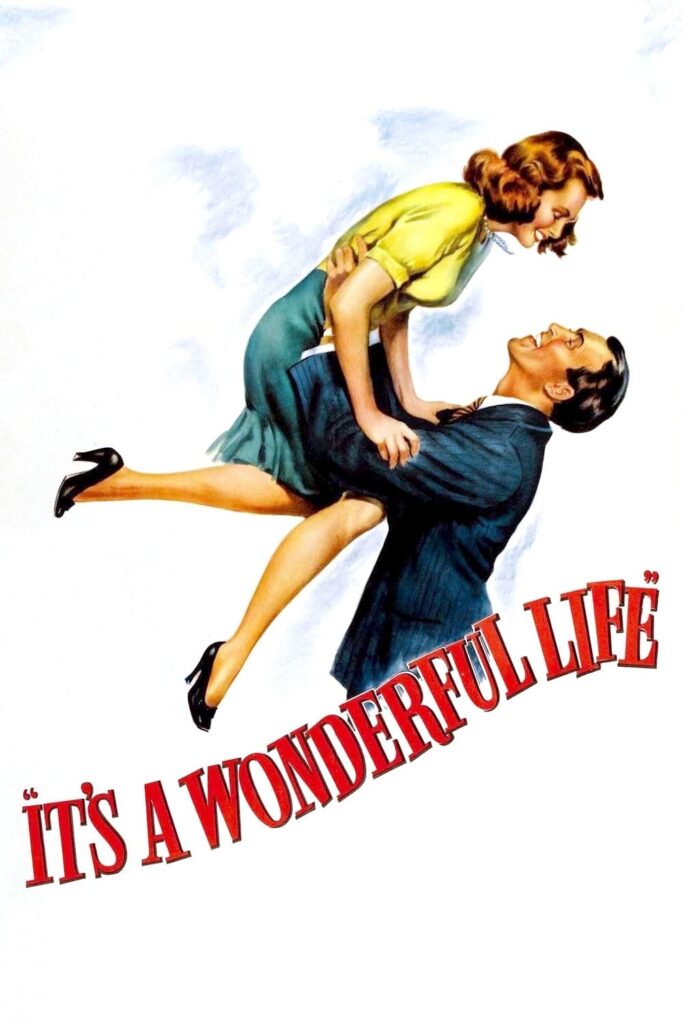
Synopsis:
George Bailey has devoted his entire life to helping the people of Bedford Falls, running a modest building and loan company that stands as the only barrier preventing the wealthy and miserly Mr. Potter from controlling the entire town. When $8,000 goes missing from the business on Christmas Eve, George finds himself in desperate trouble. This heartwarming tale follows George's crisis and the extraordinary events that unfold, showing him the true impact of his selfless life. Directed by Frank Capra and starring James Stewart as George Bailey, alongside Donna Reed as Mary Hatch and Lionel Barrymore as the villainous Mr. Potter, this beloved classic blends drama, family themes, and fantasy elements. With the help of Clarence, an angel, George discovers just how much one person's kindness and sacrifice can mean to an entire community.
Where To Watch: It's a Wonderful Life
Parental Feedback
It’s a Wonderful Life (1946) carries a deeply emotional and reflective tone that builds gradually toward powerful moments of despair and redemption. Parents should know this drama blends gentle small-town charm with surprisingly intense sequences where the protagonist faces financial ruin and contemplates suicide, making it more emotionally complex than typical family fare. The pacing is deliberate, allowing time for character development and moral lessons about community, sacrifice, and the value of an ordinary life, though younger children may find the darker middle section challenging.
Why Kids Should Watch It’s a Wonderful Life (1946)
This classic offers several meaningful lessons that resonate across generations.
The story powerfully demonstrates how one person's kindness and integrity can positively impact an entire community. George Bailey's lifelong dedication to helping the people of Bedford Falls through his modest building and loan company shows children that ordinary acts of generosity and standing up for what's right create lasting value.
The fantasy elements, particularly Clarence the angel showing George what the world would be like without him, provide an imaginative framework for exploring themes of self-worth and interconnectedness. This creative storytelling approach makes abstract concepts about purpose and meaning accessible to young viewers.
Strong family bonds and the importance of supporting one another during difficult times are central to the narrative. The relationship between George and Mary Hatch, along with the Bailey family dynamics, model commitment and love through both joyful and challenging circumstances.
The ultimate message about recognizing the value in one's own life and appreciating what you have offers a timeless lesson in gratitude. Children can learn that success isn't measured only in wealth or adventure, but in relationships and positive contributions to others.
Why Kids Shouldn't Watch It’s a Wonderful Life (1946)
Parents should consider several potentially challenging elements before viewing with younger children.
The film contains a serious suicide attempt as George Bailey, overwhelmed by financial crisis and despair, prepares to jump from a bridge on Christmas Eve. This dark and emotionally intense sequence may be frightening or confusing for younger viewers who aren't prepared for such heavy themes.
The antagonist Mr. Potter is portrayed as a "rich skinflint" whose greed threatens the entire town, and the business crisis involving the missing $8,000 creates sustained tension and anxiety. Children may find the financial peril and George's resulting emotional breakdown distressing, especially as it unfolds during what should be a joyful holiday season.
The pacing is slow by modern standards, with considerable time devoted to character development and dramatic buildup. Younger children accustomed to faster-paced entertainment may lose interest during the film's two-hour-and-ten-minute runtime, particularly in the extended sequences establishing George's life before the crisis.
Verdict: Parent Approved
It’s a Wonderful Life (1946) earns approval for families with older children who can process complex emotions and appreciate its profound messages about community, sacrifice, and the inherent worth of every individual.
What Parents Should Know About It’s a Wonderful Life (1946)
| Question | Answer |
|---|---|
| Does this Movie model positive behavior that my child can understand and repeat? | Yes, George Bailey consistently demonstrates selflessness, integrity, and dedication to helping others through his building and loan company, showing children the impact of putting community needs before personal ambitions. |
| Does this Movie include emotional moments my child might find confusing or intense? | Yes, the film contains very intense emotional moments including George's suicidal despair on the bridge and his anguished realization of financial ruin, which may be too heavy for younger or sensitive children. |
| Does this Movie show consequences for unkind or unsafe behavior? | Yes, Mr. Potter's greed and lack of compassion are portrayed negatively throughout, and George's crisis stems partly from Uncle Billy's carelessness with the $8,000, demonstrating how actions affect others. |
| Does this Movie reinforce helpful social skills like sharing, apologizing, or teamwork? | Yes, the entire community comes together at the end to help George, demonstrating the power of collective support, while George's life work shows the importance of helping neighbors and building community bonds. |
| Will my child come away with any clear moral or message? | Yes, the central message is that every life has profound value and meaning, and that true wealth comes from relationships and positive impact on others rather than money or personal achievement. |
The Overall Sentiment From Parental Feedback
Parents generally regard It’s a Wonderful Life (1946) as a meaningful family tradition that offers valuable lessons about gratitude, community, and recognizing one's own worth. Many appreciate director Frank Capra's ability to balance heartwarming moments with serious themes, though most recommend the film for older children and teens who can handle the emotional intensity. The performances, particularly James Stewart as George Bailey and Lionel Barrymore as the villainous Mr. Potter, are praised for bringing depth to the story's moral lessons. While some parents note that younger children may struggle with the slower pacing and darker themes of financial crisis and despair, families with mature viewers find it sparks important conversations about sacrifice, the ripple effects of kindness, and what truly matters in life.
Official It's a Wonderful Life Trailer
Why Kids Love It's a Wonderful Life
George Bailey races through Bedford Falls solving one crisis after another, whether he's saving his brother from icy water or stopping a pharmacy mistake that could hurt a child. Kids love watching him think fast and act faster, using his wits to outsmart the grumpy Mr. Potter and keep the Building and Loan from closing.
The movie delivers magical moments when Clarence the angel appears, creating fantastical scenes where George sees his town transformed into a completely different place. The snowy streets of Bedford Falls become an exciting playground for adventure, with George running through familiar locations that suddenly look strange and new, discovering how one person's actions ripple through an entire community.
George teams up with friends like Ernie the cab driver and Bert the cop, who show up exactly when he needs them most. Uncle Billy provides comic relief with his scattered behavior, while Mary Hatch proves she's just as brave and resourceful as George when the town needs saving.
The final sequence brings everyone together in a thrilling race against time, as the whole community rushes to help George fix his biggest problem yet. Watching neighbors pile into the Bailey house with baskets of money creates an exciting crescendo of teamwork and friendship.