
My Neighbor Totoro (1988)
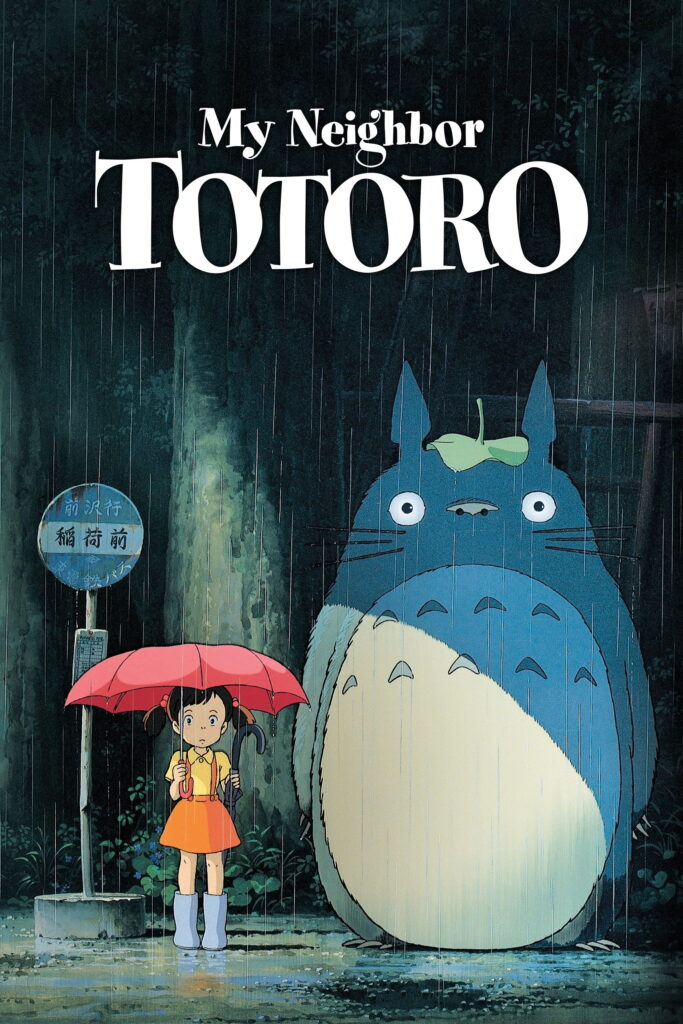
Synopsis:
Two young sisters, Satsuki and Mei Kusakabe, relocate to the countryside with their father to be nearer to their mother, who is recovering in a hospital. As they settle into their new rural home, the girls make an enchanting discovery: the surrounding forest is inhabited by Totoros, magical spirits who dwell among the ancient trees. These friendly woodland creatures become part of the sisters' lives in their new environment. When young Mei disappears after running away from home, her older sister Satsuki must turn to the forest spirits for help in finding her. This heartwarming tale explores the bond between siblings and the wonder of childhood imagination as the girls navigate their family's challenges with the aid of their extraordinary new friends in the forest.
Where To Watch: My Neighbor Totoro
Parental Feedback
My Neighbor Totoro (1988) unfolds at a gentle, contemplative pace that invites families into a world of quiet wonder and imagination. The tone is overwhelmingly warm and tender, with moments of emotional depth surrounding a mother's hospitalization that may prompt thoughtful conversations. Parents should expect a story that balances lighthearted forest adventures with subtle themes of family separation, resilience, and the comfort found in magical thinking during difficult times.
Why Kids Should Watch My Neighbor Totoro (1988)
This enchanting tale offers children a window into the power of imagination and the beauty of nature.
The magical forest spirits, particularly the iconic Totoro, encourage children to see wonder in the natural world around them. The fantastical elements are presented as comforting companions rather than frightening creatures, fostering a sense of safety in the unknown.
The relationship between sisters Satsuki and Mei models genuine sibling bonds, showing both the protective care of an older sister and the adventurous spirit of a younger one. Their interactions demonstrate how family members support each other through challenging circumstances.
The animation showcases the Japanese countryside with stunning attention to detail, introducing children to a different culture and way of life. The rural setting and traditional elements provide educational value while maintaining universal themes of childhood and family.
The story validates children's emotions about difficult family situations, particularly when a parent is ill. It shows that it's natural to feel worried, scared, or confused, and that finding comfort in imagination and community is a healthy coping mechanism.
Why Kids Shouldn't Watch My Neighbor Totoro (1988)
While beloved by many families, certain aspects may not suit every child's temperament or developmental stage.
The slow, meditative pacing may challenge children accustomed to faster-moving narratives with constant action. Younger viewers who prefer high-energy entertainment might find the contemplative scenes less engaging than they expect.
The mother's hospitalization creates an undercurrent of anxiety throughout the story that sensitive children may find unsettling. Though handled gently, the uncertainty about her health and the family's worry could be emotionally intense for kids dealing with similar situations or those prone to anxiety.
A pivotal scene where young Mei goes missing creates genuine tension and fear that might be distressing for very young viewers. The extended search sequence and the older sister's panic could be frightening for children who struggle with separation anxiety or fear of getting lost.
Verdict: Parent Approved
My Neighbor Totoro (1988) earns its place as a family classic with gentle storytelling, positive sibling relationships, and magical elements that comfort rather than frighten, making it an excellent choice for most families willing to embrace its contemplative pace.
What Parents Should Know About My Neighbor Totoro (1988)
| Question | Answer |
|---|---|
| Does this Movie model positive behavior that my child can understand and repeat? | Yes, Satsuki demonstrates responsibility and care for her younger sister, while both girls show respect for nature and their father models patience and kindness during a stressful family situation. |
| Does this Movie include emotional moments my child might find confusing or intense? | Yes, the mother's absence due to hospitalization and Mei's disappearance create emotionally charged scenes that may require parental guidance to help children process feelings of worry and fear. |
| Does this Movie show consequences for unkind or unsafe behavior? | The story focuses more on positive actions than negative consequences, though Mei's decision to run off alone leads to genuine concern and a search that demonstrates why staying close to family is important. |
| Does this Movie reinforce helpful social skills like sharing, apologizing, or teamwork? | Yes, the sisters work together throughout their adventures, the neighbor Granny offers help and kindness to the family, and the community comes together when Mei goes missing. |
| Will my child come away with any clear moral or message? | Children will understand that imagination can provide comfort during difficult times, that family bonds help us through challenges, and that nature and community offer support when we need it most. |
The Overall Sentiment From Parental Feedback
Parents consistently praise this Studio Ghibli classic for its gentle approach to childhood emotions and family challenges. Many appreciate how it addresses a mother's illness without becoming overly dark or frightening, instead offering magical elements as sources of comfort and hope. Families value the authentic portrayal of sibling relationships and the way the story validates children's fears while showing healthy coping mechanisms. Some parents note that the slower pacing requires patience from modern viewers but ultimately rewards families with meaningful conversations about resilience, imagination, and the importance of staying connected during difficult times. The overwhelming consensus celebrates it as a timeless introduction to thoughtful, beautifully animated storytelling that respects children's emotional intelligence.
Official My Neighbor Totoro Trailer
Why Kids Love My Neighbor Totoro
Kids love meeting Totoro, the giant fuzzy forest spirit who roars, bounces, and makes the funniest surprised faces when the sisters first discover him napping inside a giant tree. His belly is perfect for jumping on like a trampoline, and he carries a magical leaf umbrella that turns rainy nights into giggling adventures. The smaller soot sprites scatter and tumble everywhere, creating silly chaos as they zoom through the dusty old house.
The Catbus is pure on-screen magic—a grinning twelve-legged cat that races through forests with glowing eyes for headlights and a furry interior that bounces passengers around. It zooms across treetops and telephone wires at impossible speeds, making wild turns that send its tail spinning. When it appears out of nowhere to help find little Mei, its toothy smile and crazy sprint make for an unforgettable rescue ride.
Totoro's umbrella dance in the rain creates one of the movie's most delightful moments, with water droplets splashing everywhere as he stomps and shakes the trees. The scene where Totoro and the girls make seeds sprout into a giant tree overnight—spinning and flying through the moonlit sky—turns gardening into a spectacular magical event. Every encounter with these forest spirits brings unexpected surprises and playful energy that keeps young viewers enchanted.