

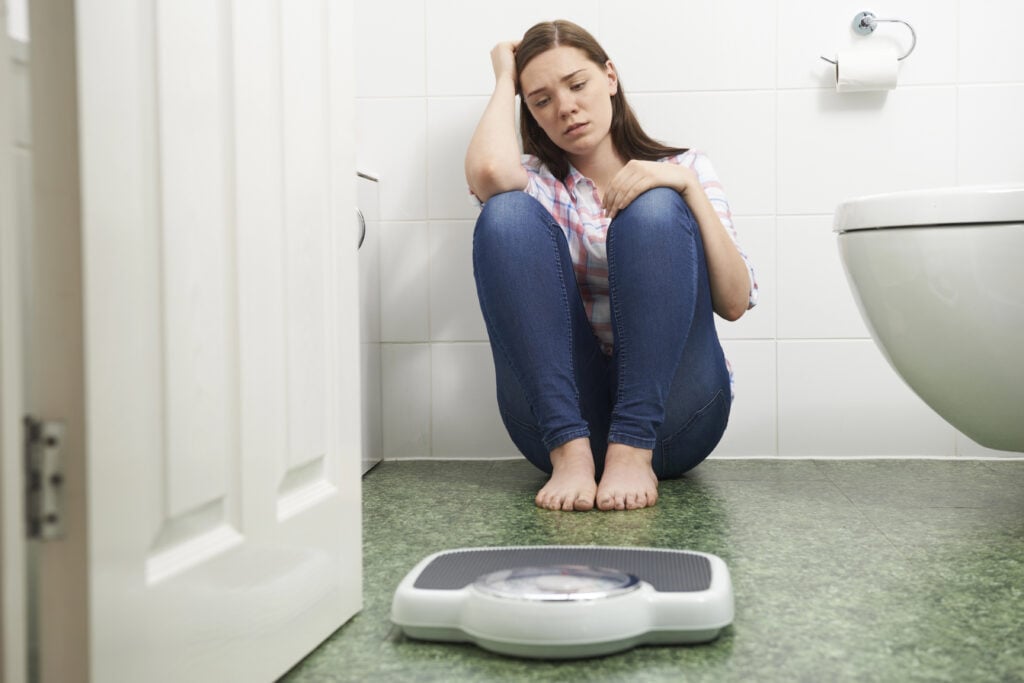
A sweeping new meta-analysis reveals how widespread supplement use has become among children and adolescents, and why parents need to pay closer attention.
Kids and teenagers facing body image issues is an issue that morphs and changes along with the times. Parents who were kids in the 80’s and 90’s saw wafer-thin models and muscle-bursting magazine covers as something to strive for. The invention and proliferation of Photoshop and image editing in these publications upped the ante and led many kids down the wrong paths.
What kids and teens face today is far, far worse, as the rise of social media has provided a 24/7 stream of judgment, bullying, pressure, and shame or isolation in dealing with body image issues. These difficult-to-police online spaces show kids tips, tricks, and which over-the-counter medications and supplements they can easily purchase to help them achieve the look or shape they feel they need.
Research has shown that nearly one in 10 teenagers worldwide has tried a nonprescription weight loss product, and more than half of adolescent boys report using protein supplements, sending alarm signals through the pediatric health community. The findings paint a picture of a generation navigating body image pressures, social media influence, and an almost entirely unregulated supplement marketplace — often without any guidance from a doctor.
The Numbers Are Bigger Than Most Parents Realize
A landmark meta-analysis published in JAMA Network Open, led by researchers at Harvard T.H. Chan School of Public Health alongside colleagues from Deakin University and Monash University in Australia, examined 90 studies covering more than 604,000 participants under age 18.
The results were striking: 9% of adolescents had used nonprescribed weight-loss products at some point in their lives, 6% in the past year, 4% in the past month, and 2% in the past week. Girls were more likely than boys to reach for these products.
Protein supplements tell a parallel story on the other side of the gender divide. Research from 2022 found that 33% of girls and 55% of boys reported taking protein powder or drinking protein shakes, and a 2024 study review found that as many as 25.7% of adolescent boys had used creatine. These are not fringe behaviors — they reflect mainstream habits among American teenagers.
Zoom out globally, and the picture is just as concerning. A peer-reviewed narrative review published in a medical journal found that supplement use among children and adolescents has steadily increased across multiple countries, with more than 30% of children in the United States using supplements regularly, 22.6% in Australia, and 32.4% in China. The review also drew a meaningful distinction between age groups: younger children tend to take supplements for immunity and growth, while teenagers are far more likely to be chasing athletic performance or an idealized body shape.
Social Media Is Fueling the Fire
Experts are direct about what is driving this trend. Bryn Austin, a professor at Harvard T.H. Chan School of Public Health and director of the Strategic Training Initiative for the Prevention of Eating Disorders, told STAT News, “These industries are huge — they’re global industries — and they’re being promoted through social media, especially to target young people who use these products. It’s absolutely putting kids at risk.”
Amanda Raffoul, a researcher with the same program who was not involved in the study, reinforced that concern. She told The 19th, “Unfortunately, it’s not surprising that there are such high levels of weight loss supplement use in adolescents and in girls in particular. The weight loss supplement industry is sort of the Wild West: It is incredibly unregulated. And because of that lack of regulation, the products are widely available everywhere for anyone to use.”
The concern is not just about marketing volume but about the nature of the content itself. Research on boys and body image suggests that social media platforms are serving adolescent males an increasingly extreme diet of fitness content, contributing to a condition known as muscle dysmorphia. While only about 2% of boys have received a formal diagnosis, experts believe the true number of affected young men is substantially higher, with many cases going unrecognized.
For girls, the pressures run in a different direction. The same social media ecosystem that pushes muscle and bulk toward boys is simultaneously promoting thinness and rapid weight loss toward girls, normalizing the use of products — diet pills, laxatives, diuretics, and so-called fitness supplements — that carry real physical and psychological risks.
What These Products Can Actually Do To A Developing Body

The regulatory gap is a central part of the problem. Unlike prescription medications, dietary supplements do not require proof of safety or effectiveness before they reach store shelves. Federal oversight is far less rigorous than what applies to drugs, and child-resistant packaging is not even required.
The National Center for Complementary and Integrative Health reports that approximately 4,600 children visit emergency rooms every year because of dietary supplements, with most incidents involving unsupervised access to vitamins or minerals. Bodybuilding products present an even sharper danger: some contain hidden steroids or steroid-like compounds that can cause liver injury, stroke, or kidney failure.
Weight loss supplements have been found by the FDA to contain undisclosed prescription drug ingredients, and products high in caffeine or caffeine-containing herbs can trigger life-threatening changes in heart rhythm.
The risks extend beyond what is on the label. Studies have found meaningful gaps between what supplement packaging claims and what the product actually contains. Contamination with drugs, heavy metals, and other chemicals is a documented problem across the industry.
For teenagers specifically, the stakes are higher because their bodies are still developing. Dr. Ellen Rome, an adolescent medicine specialist at Cleveland Clinic, warns that the consequences of restrictive eating and supplement use can be counterintuitive and lasting. She told Cleveland Clinic Health Essentials, “Young people who ‘diet,’ or restrict their food intake relative to their body’s needs, end up gaining more weight over time so that their body can live through the next ‘famine.'”
Dr. Rome also flags the danger of fat-avoidant and low-carb trends that teens frequently encounter online, noting that developing brains require between 50 and 90 grams of fat per day from birth through age 26, and that cutting dietary fat during adolescence can interfere with the formation of new neural pathways.
Protein powders carry their own specific risk: when consumed while dehydrated, they can cross the blood-brain barrier at accelerated rates and potentially cause mini-clots. Creatine, meanwhile, places stress on the kidneys and has not been adequately studied in people under 18.
The Regulatory Landscape Is Starting To Shift
Some policymakers are beginning to respond. New York state passed a law in 2023 banning the sale of diet and fitness supplements to minors, one of the first state level efforts to restrict access at the point of purchase. Researchers behind the JAMA Network Open study noted that more interventions of this kind are needed, given how freely these products are marketed online and sold in stores without any age verification.
The peer-reviewed narrative review published in a medical journal underscores the same gap: most supplements used by children and adolescents are chosen not on the advice of a doctor or dietitian, but based on recommendations from parents, friends, gym acquaintances, and social media influencers. Fewer than half of parents in one North American study reported consulting a health professional before giving their child a supplement.
What Parents Can Do Right Now
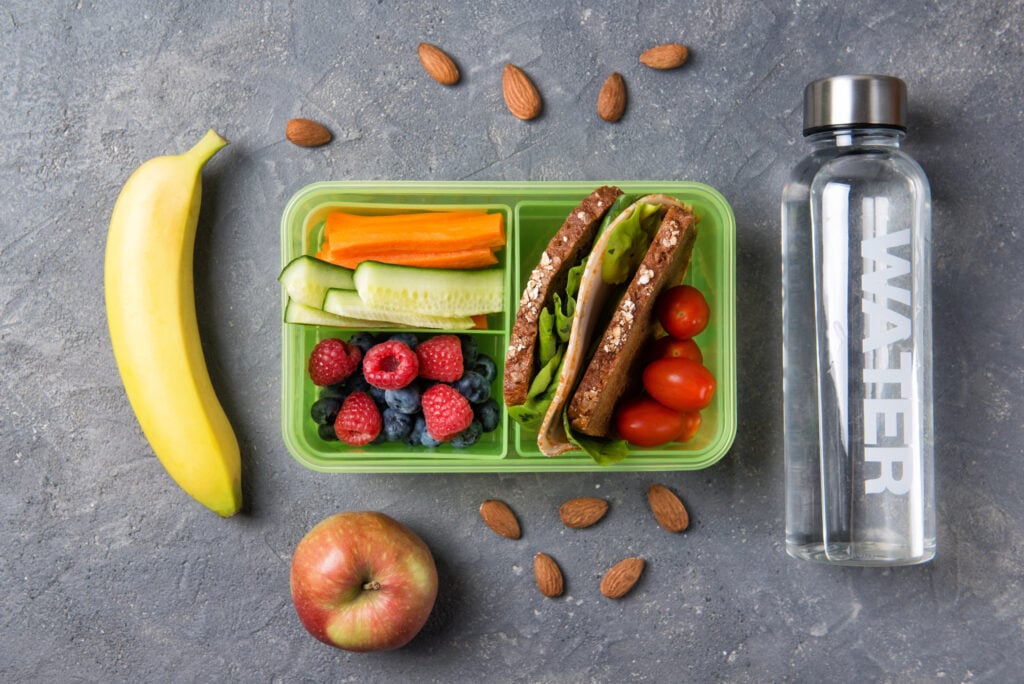
Pediatric health experts are consistent in their guidance: no supplement should be given to a child or teenager without first consulting a healthcare provider. The American Academy of Pediatrics does not recommend multivitamins for healthy children who eat a varied diet, and the risks of unsupervised use, from incorrect dosing to dangerous interactions with medications, are well documented.
Dr. Rome recommends working with both a pediatrician and a registered dietitian to develop an eating plan tailored to your teen’s specific needs. For teens who want to build muscle or manage their weight, whole food sources of protein, balanced meals, and increased physical activity are far safer and more effective than any supplement on the market. She told Cleveland Clinic Health Essentials, “The best thing to do is partner with your pediatrician and a registered dietitian to figure out a healthy eating plan that will work for your pocketbook and your teen.”
Parents should also be aware that “natural” on a label does not mean safe, and that products marketed as homeopathic remedies, including some falsely promoted as alternatives to vaccines, have not been shown to protect children against disease.
This Issue Matters For Families
What makes this trend particularly difficult to address is that it sits at the intersection of three powerful forces: an unregulated industry with enormous financial incentives, a social media environment that monetizes body insecurity, and a developmental stage in which young people are especially vulnerable to both.
The fact that supplement use is rising not just in the United States but across multiple continents suggests this is not a local problem with a local fix. For parents, the most protective thing you can do right now is open a conversation with your teenager about what they are taking, why they are taking it, and what their doctor actually recommends; before a product they found online does the talking for you.

