
Blue's Room
Synopsis:
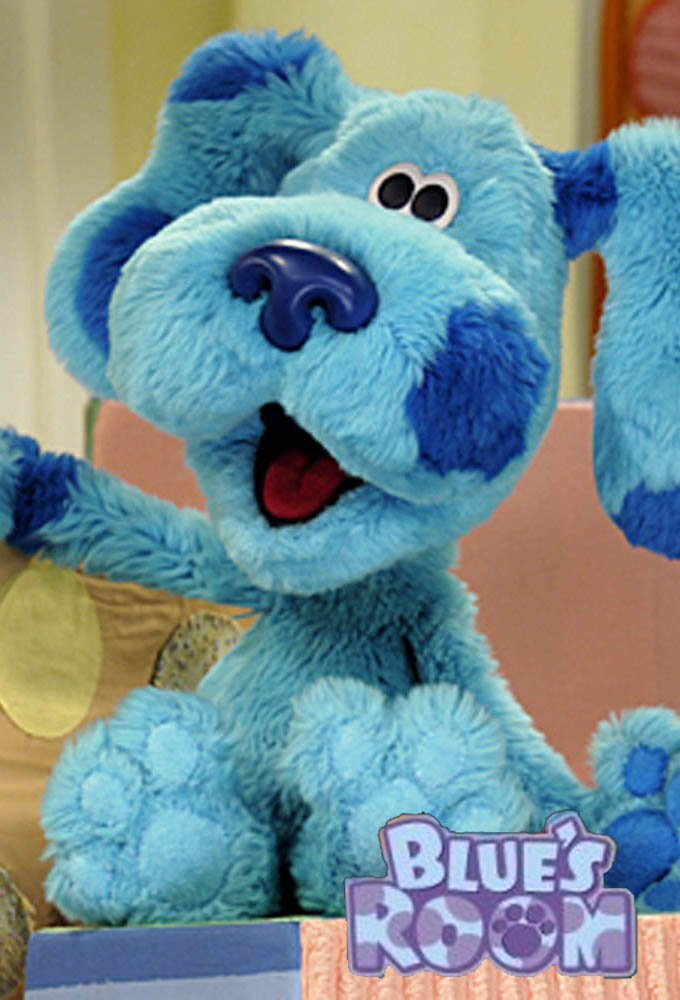
Blue's Room is a puppet show spin-off of the popular Blue's Clues series, designed for preschoolers aged 2-6. The show transforms the beloved animated blue puppy Blue into an English-speaking puppet who directly interacts with young viewers through open-ended questions and problem-solving activities. Originally appearing as a short segment near the end of Blue's Clues episodes, representing Blue's imaginary world, it later became its own standalone series. The show features Blue engaging children in conversations and asking them to evaluate ideas and solutions, creating a more interactive experience than its predecessor. Joe, from the original series, appears in some episodes. The Season One episode "Meet Blue's Baby Brother" serves as a pivotal moment, incorporating many concepts from Blue's Clues into this new format. With its puppet-based approach and direct audience engagement, the series offers a fresh take on the familiar Blue's Clues universe.
Where To Watch: Blue's Room
Blue’s Room Reviews From Parents
No written parent reviews yet — be the first!
Parental Feedback
Blue’s Room offers a gentle, puppet-based learning environment with a calm, interactive pacing that encourages young viewers to participate through open-ended questions and problem-solving activities. The show maintains a lighthearted, conversational tone as Blue transforms into an English-speaking puppet who directly engages children in dialogue. Parents can expect a warm, educational atmosphere that builds on familiar concepts while introducing new interactive elements through puppet characters and imaginative play scenarios.
Why Kids Should Watch Blue’s Room
This spin-off series provides several educational and developmental benefits for preschool-aged children.
The show encourages active participation through direct interaction, as Blue asks open-ended questions and invites children to share their ideas and solutions. This conversational approach helps develop critical thinking and verbal communication skills.
The puppet format creates an engaging, tangible world where characters interact in ways that feel more personal and immediate than traditional animation. This hands-on presentation style can help children feel more connected to the learning experience.
The series reinforces problem-solving skills by presenting challenges and asking viewers whether proposed ideas or solutions are correct. This interactive questioning format builds confidence in decision-making and reasoning abilities.
Familiar characters from the original series provide continuity and comfort, with Joe appearing in some episodes to bridge the connection between the two shows. This familiarity helps ease the transition to the new puppet-based format.
Why Kids Shouldn't Watch Blue’s Room
Parents may want to consider a few potential drawbacks before introducing this series.
The transition from animated characters to puppet versions may confuse some children who are accustomed to the original Blue's Clues format. The shift in presentation style could feel jarring or unfamiliar to viewers expecting traditional animation.
With only seventeen total episodes across two seasons, the limited content library means children may quickly exhaust available episodes. Frequent viewers might experience repetition sooner than with longer-running series.
The show's concept of Blue's personal imaginary world may be abstract for some younger preschoolers to grasp. Children who prefer straightforward narratives might find the imaginative framework less accessible than more literal storytelling approaches.
Verdict: Parent Approved
Blue’s Room is a gentle, interactive educational series that successfully extends the Blue's Clues learning philosophy into a puppet-based format suitable for preschoolers.
What Parents Should Know About Blue’s Room
| Question | Answer |
|---|---|
| Does this TV Show model positive behavior that my child can understand and repeat? | Yes, the show models interactive communication, problem-solving, and respectful dialogue through Blue's direct engagement with viewers. |
| Does this TV Show include emotional moments my child might find confusing or intense? | No, the series maintains a consistently gentle, lighthearted tone without intense emotional content. |
| Does this TV Show show consequences for unkind or unsafe behavior? | The show focuses primarily on positive problem-solving and collaborative thinking rather than depicting negative behaviors. |
| Does this TV Show reinforce helpful social skills like sharing, apologizing, or teamwork? | Yes, the interactive format encourages participation, idea-sharing, and collaborative problem-solving throughout episodes. |
| Will my child come away with any clear moral or message? | Yes, children learn that their ideas matter, questions are valuable, and thinking through problems leads to solutions. |
The Overall Sentiment From Parental Feedback
Parents generally appreciate Blue’s Room as a natural extension of the beloved Blue's Clues franchise, noting that the puppet format offers a fresh take on familiar educational principles. Many families value the direct interaction style and the way Blue speaks directly to children, creating a more personal viewing experience. Some parents mention that the transition from animation to puppets initially surprised their children, though most adapted quickly. The limited episode count is occasionally noted as a drawback for families seeking extensive content libraries. Overall, caregivers view the series as a gentle, age-appropriate option that maintains the educational integrity of its predecessor while offering a unique imaginative framework.
Blue's Room Official TV Show Trailer
Why Kids Love Blue's Room
Blue transforms from an animated puppy into an English-speaking puppet who directly interacts with young viewers. She asks open-ended questions and invites children to share their ideas about whether solutions are correct. This interactive format encourages kids to actively participate rather than passively watch.
The show features a colorful puppet world where Blue and her friends engage preschoolers in conversation and problem-solving activities. Characters like Frederica join Blue in this imaginative space that originally began as Blue's personal world. The puppet format creates a more intimate, direct connection with the audience.
Blue works alongside various puppet friends to explore ideas and tackle challenges together. The show maintains the engaging, child-friendly approach of its predecessor while introducing new interactive elements. Young viewers respond to Blue's friendly questions and the opportunity to help her think through different situations.
The series includes episodes like "Meet Blue's Baby Brother," which brings familiar concepts into this puppet-based format. Blue's Room creates an inviting space where preschoolers feel comfortable sharing their thoughts and participating in the action unfolding on screen.