
City of Ghosts - Tovaangar (S1E4)
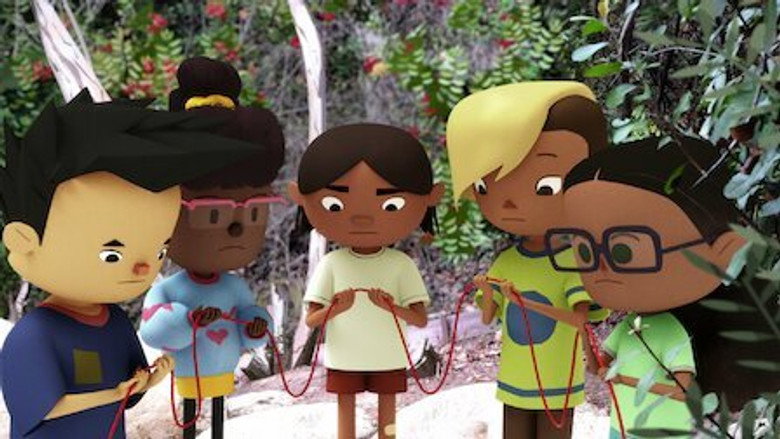
The Ghost Club goes to the park and meets Jasper, who hears a voice in the trees. Later they learn about the Tongva — Indigenous people of Los Angeles.
| Runtime (min) | 19 |
|---|---|
| Air Date | 2021-03-05 |
| Genres | Kids, Animation, Sci-Fi & Fantasy |
| TV Rating | TV-PG |
| Network(s) | Netflix |
Storyline
The Ghost Club heads to a local park where they encounter Jasper, a young person who hears a mysterious voice calling from the trees. Intrigued by this ghostly presence, the team begins their investigation to understand who or what is trying to communicate. As they explore the park and listen carefully, they discover that the voice is connected to the land's deep history.
Through their investigation, the Ghost Club learns about the Tongva people, the Indigenous inhabitants of the Los Angeles basin for thousands of years before European colonization. The episode weaves together Jasper's personal experience with the broader story of the Tongva, exploring themes of memory, place, and the importance of acknowledging the original stewards of the land. The children come to understand that the park they're visiting sits on Tovaangar, the traditional Tongva homeland, and that listening to these voices from the past helps keep important histories alive.
What parents say
Parents have praised "City of Ghosts" for its thoughtful approach to introducing children to Indigenous history and the concept of land acknowledgment. Many appreciate that the show tackles the subject of the Tongva people with respect and age-appropriate depth, making it accessible for young viewers without oversimplifying the significance of Indigenous presence in Los Angeles. Parents note that the episode provides a valuable starting point for conversations about whose land families live on and the importance of recognizing Indigenous communities.
Some parents have mentioned using this episode as a springboard for further learning, researching their own local Indigenous history with their children after watching. Parents have complimented the series overall for addressing real cultural and historical topics through the gentle lens of ghost stories, finding it both educational and emotionally engaging. The show's animation style and calm pacing have also been noted as strengths that help children absorb these more serious themes without feeling overwhelmed.
What kids learn
Children learn about the Tongva people and their enduring connection to the Los Angeles area, understanding that the places they know today have deep Indigenous roots stretching back thousands of years. The episode introduces the concept that land has history and memory, and that acknowledging the original inhabitants is an important act of respect and recognition. Kids discover that Indigenous communities are not just part of distant history but continue to exist and maintain their cultural traditions today.
The episode also teaches children about listening—both literally and figuratively. Jasper's experience of hearing a voice in the trees models how paying attention to the world around us can reveal hidden stories and connections. Kids learn that investigating the past requires curiosity, respect, and a willingness to learn from sources beyond their immediate experience.
Through the Ghost Club's respectful approach to their investigation, children see the value of honoring different perspectives and understanding that every place has layers of meaning. The episode encourages young viewers to think about their own communities and consider whose ancestral lands they might be living on, fostering early awareness of Indigenous history and the importance of cultural preservation.
Parents' top 5 questions
| Question | Answer |
|---|---|
| Who are the Tongva people that the episode discusses? | The Tongva are the Indigenous people who have lived in the Los Angeles basin and surrounding areas for thousands of years before European contact. Tovaangar is their name for their traditional homeland, which includes present-day Los Angeles. The episode introduces children to the fact that the Tongva are still here today, maintaining their culture and connection to the land, and that recognizing their history is an important part of understanding the true story of Los Angeles. |
| How can I help my child understand land acknowledgment after watching this episode? | Use the episode as a starting point to research which Indigenous people originally inhabited your own area. Explain that a land acknowledgment is a way of showing respect by recognizing who lived on the land first and understanding that Indigenous communities still exist today. You can look up local tribal nations together, visit cultural centers or museums, and discuss how your family can honor and support Indigenous communities in meaningful ways beyond just words. |
| Is this episode appropriate for young children who haven't learned about colonization? | Yes, the episode handles Indigenous history in an age-appropriate way that focuses on presence and connection to place rather than trauma or violence. It introduces the concept that Indigenous people lived in Los Angeles long before it became a city, without requiring detailed knowledge of colonization. The gentle, ghost-story framework makes the topic accessible for young viewers while still treating the subject with appropriate respect and seriousness. |
| What is the significance of the voice Jasper hears in the trees? | The voice represents the living memory and presence of the Tongva people in the landscape. It serves as a metaphor for how the land itself holds stories and history that we can access if we listen carefully and respectfully. The episode uses this ghostly element to help children understand that Indigenous history isn't just something from the past but continues to resonate in the places we inhabit today, connecting past and present. |
| How can we learn more about the Tongva after watching this episode? | You can research the Tongva online through tribal websites and cultural organizations, visit local museums that feature Tongva history and artifacts, or attend community events where Tongva culture is shared. Many libraries have books about California Indigenous peoples appropriate for children. Some families also explore whether there are opportunities to support Tongva-led initiatives or learn about current issues affecting the community, helping children understand that Indigenous history is ongoing and relevant today. |
Writing
Directing
| Season # | Episode # | Episode Name |
|---|---|---|
| 1 | 1 | Chef Jo's opening a new restaurant in Boyle Heights — but strange things keep happening. By learning about the past, Zelda helps solve the mystery. |
| 1 | 2 | Thomas visits John, who works at a Venice skate shop. He's concerned about Sam, an 8-year-old skateboarder who says she's been hanging out with a ghost. |
| 1 | 3 | Drumming noises at Sonya's café keep waking up her neighbor. Eva and the Ghost Club gather clues by exploring Leimert Park's musical history. |
| 1 | 4 | The Ghost Club goes to the park and meets Jasper, who hears a voice in the trees. Later they learn about the Tongva — Indigenous people of Los Angeles. |
| 1 | 5 | Zen and her mom Atomic Nancy, a fluffy ghost with a punky past, help the kids investigate strange noises at the Bob Baker Marionette Theater. |
| 1 | 6 | The team interviews Yulissa, who teaches Oaxacan music. She's looking for her missing friend Chepe, a colorful ghost who communicates by whistling. |
This product uses the TMDB API but is not endorsed or certified by TMDB.