
City of Ghosts - Koreatown (S1E6)
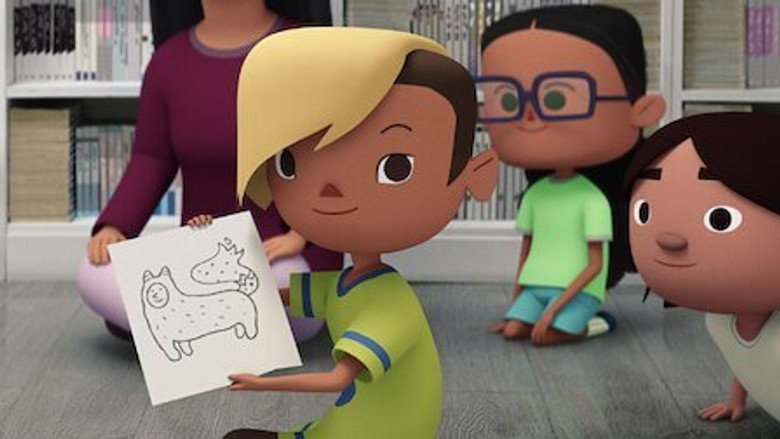
The team interviews Yulissa, who teaches Oaxacan music. She's looking for her missing friend Chepe, a colorful ghost who communicates by whistling.
| Runtime (min) | 19 |
|---|---|
| Air Date | 2021-03-05 |
| Genres | Kids, Animation, Sci-Fi & Fantasy |
| TV Rating | TV-PG |
| Network(s) | Netflix |
Storyline
In this episode, the Ghost Club travels to Koreatown to help Yulissa, a music teacher who specializes in traditional Oaxacan instruments and songs. Yulissa is searching for her friend Chepe, a vibrant ghost who doesn't speak with words but communicates entirely through whistling. The team learns about the rich cultural traditions Yulissa shares with her students and the special bond she formed with Chepe, who would often accompany her lessons with his distinctive melodic whistles.
As the Ghost Club investigates, they follow the sounds of whistling through the neighborhood, discovering clues about where Chepe might have gone and why he disappeared. The children interview community members and learn about the importance of music as a form of connection and expression that transcends language. Through their detective work, they uncover the story behind Chepe's absence and work to reunite him with Yulissa, celebrating the ways that friendship and cultural heritage can bridge different worlds.
What parents say
Parents have praised City of Ghosts for its gentle approach to introducing children to diverse Los Angeles communities and cultural traditions. Many parents appreciate that the show presents ghosts as friendly, non-threatening figures with stories to share rather than scary entities, making it accessible even for younger or more sensitive viewers. The documentary-style format, which includes real interviews with actual community members, has been noted by parents as an effective way to teach children about different cultures and neighborhoods.
Parents have complimented the series for normalizing conversations about loss, memory, and community history in age-appropriate ways. Some parents on Common Sense Media and parenting forums have specifically mentioned that the show sparked meaningful conversations with their children about immigration, cultural heritage, and the importance of preserving traditions. The educational value combined with the show's calm pacing and respectful treatment of real people and places has made it a favorite among parents seeking quality content that reflects the diversity of American communities.
What kids learn
Children learn about Oaxacan musical traditions and the broader concept that music serves as a powerful form of communication and cultural expression. Through Yulissa's story, young viewers discover how traditional instruments and songs carry the history and identity of a community, and how teaching these traditions to new generations helps keep cultures alive. The episode demonstrates that communication takes many forms beyond spoken language, as Chepe's whistling becomes his unique voice.
The episode also teaches children about the Korean American community in Los Angeles and how different cultural groups can share the same neighborhood spaces. Kids see how Koreatown serves as home to people from various backgrounds, illustrating the multicultural nature of urban communities. This reinforces lessons about diversity, inclusion, and the value of learning from neighbors with different traditions.
Additionally, children learn about persistence and empathy through the Ghost Club's investigation. The team demonstrates how listening carefully to others, asking thoughtful questions, and following clues with patience can help solve mysteries and reunite friends. The episode models how to show respect for cultural practices that may be unfamiliar while remaining curious and open to learning.
Parents' top 5 questions
| Question | Answer |
|---|---|
| Is this episode scary for young children? | This episode maintains the show's gentle, non-threatening approach to ghosts. Chepe is presented as a friendly, colorful character who communicates through cheerful whistling rather than any frightening sounds or appearances. The tone remains curious and warm throughout, focusing on friendship and cultural celebration rather than anything spooky. The documentary-style format and real community interviews keep the episode grounded and reassuring, making it appropriate for preschool and early elementary audiences. |
| What is Oaxacan music and why is it featured? | Oaxacan music refers to the traditional musical styles from Oaxaca, a state in southern Mexico known for its rich indigenous heritage. The episode features this music to showcase the cultural diversity within the Latino community and to highlight how immigrants bring and preserve their specific regional traditions. Yulissa's role as a music teacher demonstrates the importance of passing cultural knowledge to younger generations, and the episode treats these traditions with respect and authenticity. |
| Does the episode explain why Chepe only whistles? | The episode presents Chepe's whistling as his natural form of communication without requiring a detailed backstory explanation. This approach teaches children that people express themselves in different ways and that communication doesn't always require words. The whistling becomes a distinctive, joyful characteristic that makes Chepe memorable while also connecting to musical themes in the episode. Young viewers learn to appreciate and understand non-verbal communication through this creative storytelling choice. |
| Will my child learn about Korean culture in this episode? | While the episode is set in Koreatown, the primary cultural focus is on Oaxacan musical traditions through Yulissa's story. However, the setting does provide an opportunity to discuss with your child how neighborhoods can be home to multiple cultural communities and how different groups share urban spaces. The episode's presence in Koreatown reflects the real diversity of Los Angeles neighborhoods, where Korean businesses and residents coexist with people from many other backgrounds. |
| Are the people interviewed in this episode real community members? | Yes, City of Ghosts incorporates interviews with actual Los Angeles residents and community members, blending documentary elements with animated storytelling. This approach gives the show educational authenticity and exposes children to real voices from diverse backgrounds. The real interviews help children understand that the neighborhoods, cultures, and traditions featured in the show exist in the actual world, making the lessons about community and cultural heritage more meaningful and concrete. |
Writing
Directing
| Season # | Episode # | Episode Name |
|---|---|---|
| 1 | 1 | Chef Jo's opening a new restaurant in Boyle Heights — but strange things keep happening. By learning about the past, Zelda helps solve the mystery. |
| 1 | 2 | Thomas visits John, who works at a Venice skate shop. He's concerned about Sam, an 8-year-old skateboarder who says she's been hanging out with a ghost. |
| 1 | 3 | Drumming noises at Sonya's café keep waking up her neighbor. Eva and the Ghost Club gather clues by exploring Leimert Park's musical history. |
| 1 | 4 | The Ghost Club goes to the park and meets Jasper, who hears a voice in the trees. Later they learn about the Tongva — Indigenous people of Los Angeles. |
| 1 | 5 | Zen and her mom Atomic Nancy, a fluffy ghost with a punky past, help the kids investigate strange noises at the Bob Baker Marionette Theater. |
| 1 | 6 | The team interviews Yulissa, who teaches Oaxacan music. She's looking for her missing friend Chepe, a colorful ghost who communicates by whistling. |
This product uses the TMDB API but is not endorsed or certified by TMDB.