
Fuller House
Synopsis:
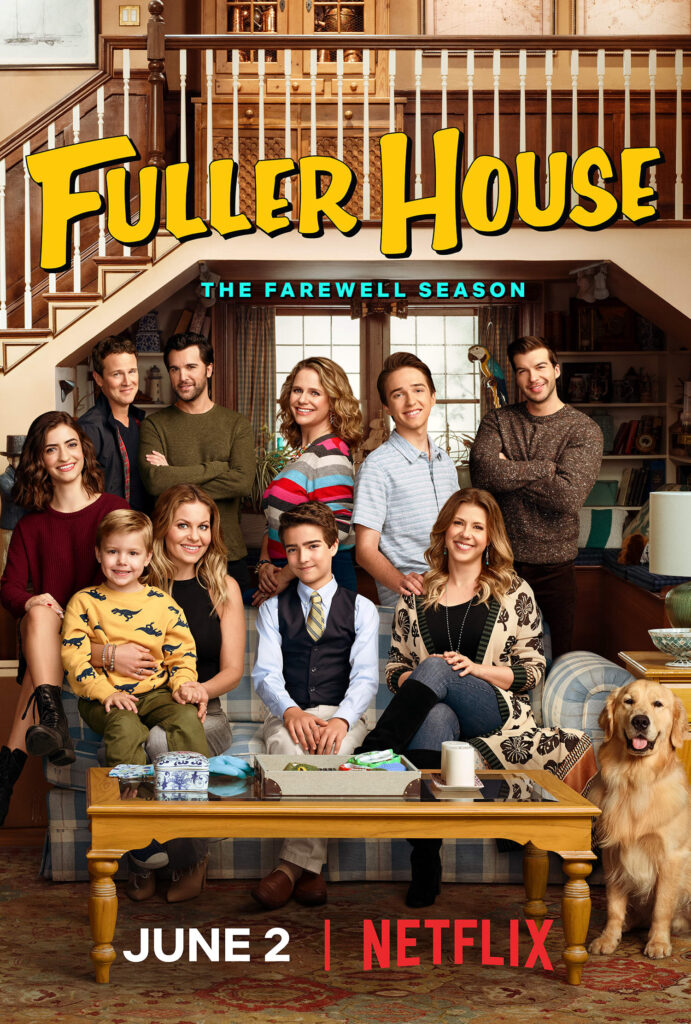
D.J. Tanner-Fuller is a widow raising three children—Jackson, Max, and Tommy Jr.—when life becomes overwhelming and she realizes she needs help. She turns to her sister Stephanie and her best friend Kimmy Gibbler, who move in to support her. Together, this multigenerational household navigates the joys and challenges of family life under one roof. Kimmy brings along her daughter Ramona, while Fernando also becomes part of the extended family dynamic. This family comedy follows the women as they work together to manage busy schedules, parenting responsibilities, and the everyday chaos that comes with a full house. Through laughter and love, they discover that having family close by makes everything more manageable, proving that life truly is fuller when you have the people you care about most by your side.
Where To Watch: Fuller House
Fuller House Reviews From Parents
No written parent reviews yet — be the first!
Parental Feedback
Fuller House offers a lighthearted, family-friendly viewing experience with gentle humor and heartwarming moments centered on multigenerational family dynamics. The pacing is comfortable and predictable, with storylines that emphasize togetherness, problem-solving, and the importance of leaning on loved ones during challenging times. Parents can expect a warm, nostalgic tone with minimal intensity, making it accessible for family viewing sessions where emotional support and everyday life challenges take center stage.
Why Kids Should Watch Fuller House
This series provides several positive elements that make it suitable for young viewers.
The show demonstrates the value of extended family support, as D.J. Tanner-Fuller receives help from her sister Stephanie and best friend Kimmy when single parenthood becomes overwhelming. This models asking for help as a strength rather than a weakness.
Strong female friendships and sisterhood are central themes, showing children how women can support each other through life's difficulties. The bond between the main characters illustrates loyalty and unconditional support.
The multigenerational household setting normalizes different family structures and shows that families come in many forms. Children see that love and commitment matter more than traditional family configurations.
Everyday challenges are addressed with humor and compassion, teaching children that problems can be solved through communication and teamwork. The characters work together to navigate parenting, relationships, and personal growth.
Why Kids Shouldn't Watch Fuller House
Parents may want to consider a few aspects before viewing.
The premise centers on widowhood and single parenting, which introduces themes of loss and grief that younger children may find confusing or sad. While handled gently, the absence of D.J.'s husband is a foundational element of the story.
Some situational comedy relies on misunderstandings and mild chaos that could model behaviors parents might not want repeated. The humor occasionally comes from characters making impulsive decisions or creating unnecessary drama.
With 75 episodes across five seasons, the series requires significant time investment, and the episodic nature might encourage extended screen time. Parents may need to set clear boundaries around binge-watching behavior.
Verdict: Parent Approved
Fuller House earns approval for its wholesome family values, positive messages about support systems, and gentle approach to life's challenges.
What Parents Should Know About Fuller House
| Question | Answer |
|---|---|
| Does this TV Show model positive behavior that my child can understand and repeat? | Yes, the series consistently shows characters helping each other, communicating through problems, and prioritizing family bonds over individual desires. |
| Does this TV Show include emotional moments my child might find confusing or intense? | The premise involves a widow raising three children, which introduces themes of loss, though these are handled with sensitivity and age-appropriate lightness. |
| Does this TV Show show consequences for unkind or unsafe behavior? | Yes, characters generally face natural consequences for poor choices and learn lessons about responsibility and consideration for others. |
| Does this TV Show reinforce helpful social skills like sharing, apologizing, or teamwork? | Yes, the household dynamic requires constant cooperation, compromise, and communication, with characters regularly apologizing and working together to solve problems. |
| Will my child come away with any clear moral or message? | The central message is that family and friendship provide essential support during difficult times, and that asking for help strengthens rather than weakens us. |
The Overall Sentiment From Parental Feedback
Parents generally appreciate Fuller House for its wholesome content and family-centered values, noting that it provides clean entertainment suitable for viewing together. Many value the positive representation of different family structures and the emphasis on female friendship and support. Some parents mention nostalgia as a factor in their enjoyment, while others appreciate that the comedy remains accessible to children without relying on inappropriate humor. A few parents note that the show may feel predictable or overly sentimental at times, but most agree that the positive messages about family, teamwork, and resilience make it a worthwhile choice for family viewing.
Fuller House Official TV Show Trailer
Why Kids Love Fuller House
Kids love watching the funny characters in "Fuller House" as they navigate everyday life together under one roof. The show brings plenty of silly jokes and lighthearted moments that keep young viewers laughing and entertained.
The series centers on family bonds as multiple generations live together and support each other through various challenges. Kids enjoy seeing how the characters work as a team, showing that families can be there for one another no matter what happens.
Helping someone in need is a regular part of the show, as the characters step up to assist each other with daily problems and unexpected situations. Young viewers appreciate watching the household members pitch in and solve issues together.
Awkward situations pop up frequently, creating humorous moments that kids find relatable and amusing. The characters often find themselves in embarrassing or uncomfortable scenarios that lead to plenty of laughs and entertainment for the whole family.