
Harriet the Spy - I Am a Terrible Spy (S1E1)
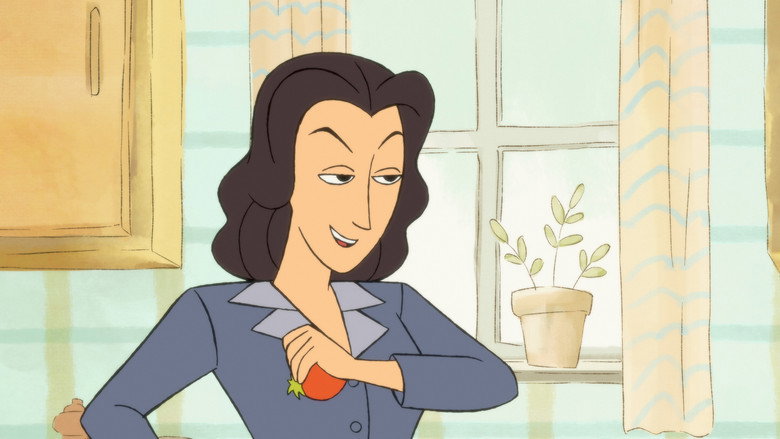
Harriet's ambition to know and see everything may change reclusive Agatha K. Plumber's life for the better.
| Runtime (min) | 23 |
|---|---|
| Air Date | 2021-11-18 |
| Genres | Animation, Kids |
| TV Rating | TV-G |
| Network(s) | Apple TV |
Storyline
In the series premiere of "Harriet the Spy," eleven-year-old Harriet M. Welsch introduces herself as an aspiring writer and spy who observes everyone around her and records her findings in a private notebook. Harriet's spy route includes watching her neighbors, and she becomes particularly fascinated by Agatha K. Plumber, a reclusive woman who never leaves her apartment. Harriet's curiosity drives her to learn more about Agatha, despite the mystery surrounding why this neighbor has shut herself off from the world.
When Harriet's spying leads to an unexpected encounter with Agatha, the episode explores how Harriet's relentless observation and genuine interest might actually help the isolated woman reconnect with life outside her apartment walls. The premiere establishes Harriet's character as someone whose nosiness, while sometimes intrusive, comes from a place of authentic curiosity about people and their stories. The episode sets up the central tension of the series: Harriet's need to know everything about everyone and the consequences—both positive and negative—that her spying creates.
What parents say
Parents have praised the Apple TV+ adaptation of "Harriet the Spy" for its faithful representation of the beloved Louise Fitzhugh novel while updating the setting to be more inclusive and contemporary. Many parents appreciate that the show maintains Harriet's complex personality—she's curious and intelligent but also self-centered and sometimes unkind—which provides opportunities for discussion about empathy and boundaries.
Parents note that the animation style is appealing and age-appropriate, and the show's pacing works well for elementary-aged children. Some parents have mentioned appreciating the diverse cast of characters and the representation of different family structures. The theme of a child who writes down brutally honest observations about people resonates with parents who remember the original book, though some have noted they're watching to see how the show handles the consequences of Harriet's spying as the season progresses.
Parents have also complimented the show for portraying Harriet's nanny, Ole Golly, as a wise mentor figure who encourages Harriet's creativity while gently challenging her to think about how her actions affect others.
What kids learn
This episode introduces children to the idea that curiosity about others can be both a strength and a responsibility. Harriet's passion for observation and writing shows kids that paying attention to the world around them can develop their creativity and understanding, but the episode also plants seeds about the importance of respecting privacy and considering how our actions affect other people. Children see that being interested in others' lives requires thoughtfulness, not just nosiness.
The relationship between Harriet and the reclusive Agatha K. Plumber teaches kids about loneliness and isolation. Children learn that sometimes people who seem unfriendly or strange might actually be struggling with their own challenges, and that reaching out—even in small ways—can make a meaningful difference in someone's life. The episode encourages empathy by showing that there are real people with real feelings behind the windows Harriet observes.
Kids also learn about the value of mentorship through Harriet's relationship with Ole Golly, her nanny. Ole Golly supports Harriet's ambitions and creativity while also providing guidance, demonstrating to young viewers that trusted adults can help them develop their talents while learning to navigate social situations responsibly.
Parents' top 5 questions
| Question | Answer |
|---|---|
| Is Harriet's spying behavior presented as acceptable, or does the show address that it's problematic? | The premiere introduces Harriet's spying as her defining characteristic and passion, but it also begins to show consequences and complications. While Harriet sees her observations as harmless research for her writing, the episode hints that her intrusion into others' lives will create problems. Ole Golly, her nanny, serves as a moral compass who supports Harriet's curiosity while encouraging her to think more deeply about people. The show doesn't immediately condemn Harriet's behavior but sets up a season-long exploration of boundaries and empathy. |
| What age is this show appropriate for? | The show is designed for children ages six to eleven, matching the target audience of the original novel. The animation style, pacing, and themes are calibrated for elementary school viewers. The content is gentle with no violence, scary scenes, or inappropriate language in this premiere episode. The emotional themes about loneliness and social dynamics are sophisticated enough to engage older elementary students while remaining accessible to younger viewers, especially when watched with parental guidance. |
| How is the reclusive neighbor Agatha portrayed, and could she frighten younger children? | Agatha K. Plumber is portrayed as mysterious but not frightening. She's a reclusive woman who stays in her apartment, and the episode treats her with sympathy rather than making her seem creepy or dangerous. The show frames Agatha as lonely and isolated rather than threatening, helping children understand that people who seem different often have understandable reasons for their behavior. Younger or more sensitive children might have questions about why Agatha doesn't leave her home, which can open conversations about mental health and isolation. |
| Does Harriet write mean things about people in her notebook in this episode? | This premiere episode focuses more on establishing Harriet's observation habits and her fascination with Agatha than on showing her writing harsh judgments about people. Harriet records what she sees and her thoughts about it, positioning herself as a researcher and future writer. The episode sets up her notebook as central to her identity without yet fully exploring the consequences of her brutally honest observations, which becomes more significant as the series progresses and others potentially discover what she's written. |
| What positive messages does this first episode offer? | The premiere celebrates curiosity, creativity, and the power of paying attention to the world. Harriet's passion for writing and observation shows children that developing their interests and talents is valuable. The episode also introduces themes of compassion, as Harriet's interest in Agatha—though initially just curiosity—has the potential to help someone who is isolated. The relationship between Harriet and Ole Golly demonstrates the importance of having supportive adults who encourage children's growth while providing wisdom and guidance. |
Writing
Directing
| Season # | Episode # | Episode Name |
|---|---|---|
| 1 | 1 | Harriet's ambition to know and see everything may change reclusive Agatha K. Plumber's life for the better. |
| 1 | 2 | Harriet's new coat is perfect for her—and Marion Hawthorne, apparently. But who will win the school's vote? |
| 1 | 3 | Janie and Harriet vow never to go to dancing school, but Harriet doesn't know that Janie actually likes dancing. |
| 1 | 4 | After an awful day, Harriet wants some alone time. Watching Mr. Withers' 26 cats is just what she needs...or is it? |
| 1 | 5 | Harriet learns about her middle initial and questions who she is. Her nanny, Ole Golly, teaches Harriet a valuable lesson about identity. |
| 1 | 6 | Janie and Harriet get to meet their favorite singer, only to discover a shocking truth about his music. |
| 1 | 7 | Harriet really wants to win a photo competition, but it means teaming up with someone she doesn't see eye to eye with: her mom. |
| 1 | 8 | Sport and Harriet think it's time to get rid of their beloved stuffies, but change their minds—and the narrative—thanks to Marion's sneaky reporting. |
| 1 | 9 | Harriet adds the Garcia family to her spy route...and discovers that someone is spying on her. |
| 1 | 10 | On her birthday, Ole Golly revisits a list of everything she wanted to do by the age of 35—and Harriet is determined to help her complete it. |
| Season # | Episode # | Episode Name |
|---|---|---|
| 2 | 1 | When Harriet loses her last—and favorite—baby tooth, she struggles with saying goodbye to her babyhood. |
| 2 | 2 | The Welsch family attends a neighborhood party where Harriet is determined to find out why the Robinsons are so boring. |
| 2 | 3 | At the world's fair, Harriet meets a 14-year-old photographer who's unsure of his future—but shows Harriet how to cherish today. |
| 2 | 4 | Sport joins Harriet for a local scavenger hunt. But when he brings his good-luck charm to improve their chances, Harriet is skeptical. |
| 2 | 5 | While Harriet's parents are out, she and Ole Golly join Mr. Waldenstein for a movie date. But can they get home before Harriet's parents do? |
| 2 | 6 | When Ole Golly announces she and Mr. Waldenstein are getting married and moving to Montreal, Harriet tries to change her mind. |
| 2 | 7 | Harriet's dream of creating a post–Ole Golly life is shattered when her notebook falls into the hands of her nemesis: Marion. |
| 2 | 8 | The fallout from her private thoughts becoming public leaves Harriet fighting to repair her friendships—and for the return of her notebook. |
| 2 | 9 | With the notebook causing quite a stir, Harriet hopes a backyard trial of her peers will prove her innocence. |
| 2 | 10 | After Harriet makes an unexpected discovery, she comes up with a plan to right her wrongs. |
This product uses the TMDB API but is not endorsed or certified by TMDB.