
How to Be Indie
Synopsis:
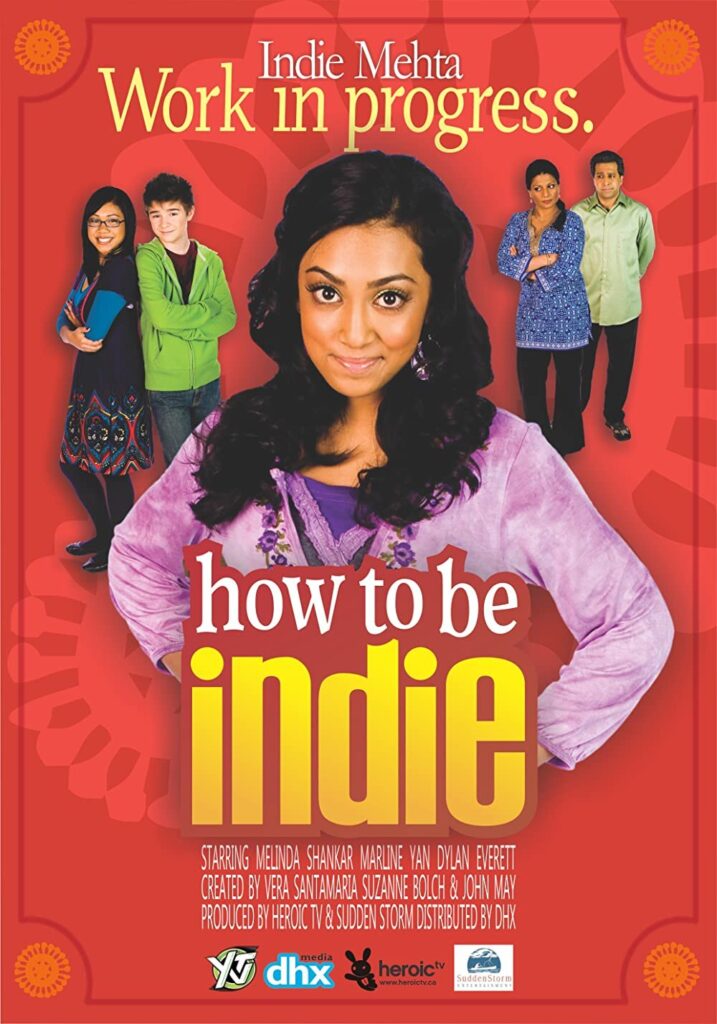
How to Be Indie follows thirteen-year-old Indian Canadian teenager Indira "Indie" Mehta as she navigates the challenges of adolescence. This single-camera comedy series centers on Indie's everyday experiences growing up, alongside her friends Abi Flores and Marlon Parks. Created by Suzanne Bolch, Vera Santamaria, and John May, the show offers a lighthearted look at the ups and downs of teenage life from a young teen's perspective. With its family-friendly humor and relatable situations, the series explores the universal themes of friendship, identity, and finding your place in the world. Over two seasons and fifty-two episodes, viewers follow Indie's journey as she learns to balance family expectations, school life, and the everyday adventures that come with being a teenager trying to figure out who she is.
Where To Watch: How to Be Indie
How to Be Indie Reviews From Parents
No written parent reviews yet — be the first!
Parental Feedback
How to Be Indie offers a lighthearted, family-friendly viewing experience centered on everyday challenges and cultural identity. Parents will find the pacing gentle and the humor accessible, with storylines that focus on relatable middle-school situations without intense drama or conflict. The tone remains consistently upbeat and optimistic, making it suitable for younger viewers while addressing themes of self-discovery, family dynamics, and navigating peer relationships in an age-appropriate manner.
Why Kids Should Watch How to Be Indie
This series provides several valuable lessons wrapped in entertaining storylines that resonate with young audiences.
The show celebrates individuality and encourages children to embrace their unique qualities rather than conforming to peer pressure. Young viewers can see positive examples of staying true to oneself while navigating social situations.
Family relationships are portrayed warmly, showing how different generations communicate and support each other through everyday challenges. The interactions model respectful dialogue between parents and children.
Cultural identity is explored in a natural, accessible way that helps children appreciate diversity and understand different family traditions. These elements are woven into the narrative without feeling forced or preachy.
Problem-solving skills are demonstrated as characters work through age-appropriate dilemmas using creativity and communication. Kids can observe constructive approaches to handling common childhood obstacles.
Why Kids Shouldn't Watch How to Be Indie
While generally appropriate, parents may want to consider a few aspects before viewing.
Some storylines involve mild social conflicts and misunderstandings between friends that could require context for very young or sensitive viewers. These situations, while resolved positively, might need parental discussion.
The humor occasionally relies on embarrassing moments or awkward situations that some children might find uncomfortable. Parents of particularly empathetic kids may want to preview episodes first.
Certain episodes touch on feeling different or left out, which could resonate strongly with children experiencing similar emotions. While handled gently, these themes might prompt questions or conversations.
Verdict: Parent Approved
How to Be Indie earns approval as a wholesome, age-appropriate series that balances entertainment with positive messages about identity, family, and friendship.
What Parents Should Know About How to Be Indie
| Question | Answer |
|---|---|
| Does this TV Show model positive behavior that my child can understand and repeat? | Yes, characters demonstrate kindness, honesty, and respect for family and friends throughout the series. |
| Does this TV Show include emotional moments my child might find confusing or intense? | Emotional moments are present but handled gently, focusing on relatable feelings like embarrassment or frustration rather than intense drama. |
| Does this TV Show show consequences for unkind or unsafe behavior? | Yes, characters learn from their mistakes and misunderstandings are resolved with apologies and improved understanding. |
| Does this TV Show reinforce helpful social skills like sharing, apologizing, or teamwork? | Yes, episodes regularly feature characters working together, communicating openly, and making amends when conflicts arise. |
| Will my child come away with any clear moral or message? | Yes, the series consistently reinforces messages about being yourself, respecting family values, and treating others with kindness. |
The Overall Sentiment From Parental Feedback
Parents generally appreciate How to Be Indie for its wholesome content and positive representation of family life. Many note that the series provides good conversation starters about cultural identity and staying true to oneself while navigating social pressures. The TV-Y rating reflects its suitability for younger audiences, and parents report that children enjoy the relatable characters and situations. Some parents mention that the show offers a refreshing alternative to more intense programming, providing entertainment that doesn't require constant monitoring. Overall, families find it to be a safe, engaging choice that balances fun with meaningful messages about self-acceptance and family bonds.
How to Be Indie Official TV Show Trailer
Why Kids Love How to Be Indie
Indie Mehta navigates the everyday challenges of being a 13-year-old, finding herself in situations that test her creativity and quick thinking. The show captures the humor in those moments when things don't go as planned and she has to figure out solutions on the spot.
The series celebrates being different and finding your own path rather than following what everyone else does. Indie approaches problems in her own unique way, showing that there's more than one solution to any challenge.
The comedy comes from relatable awkward moments that happen during the teenage years. Whether dealing with friends like Abi Flores and Marlon Parks or handling unexpected situations, Indie faces scenarios that feel familiar to young viewers.
The single-camera format gives the show an authentic feel as it follows Indie's daily life. Each episode presents new problems that require clever thinking, making the show both entertaining and engaging for its youth audience.