
Kiri and Lou
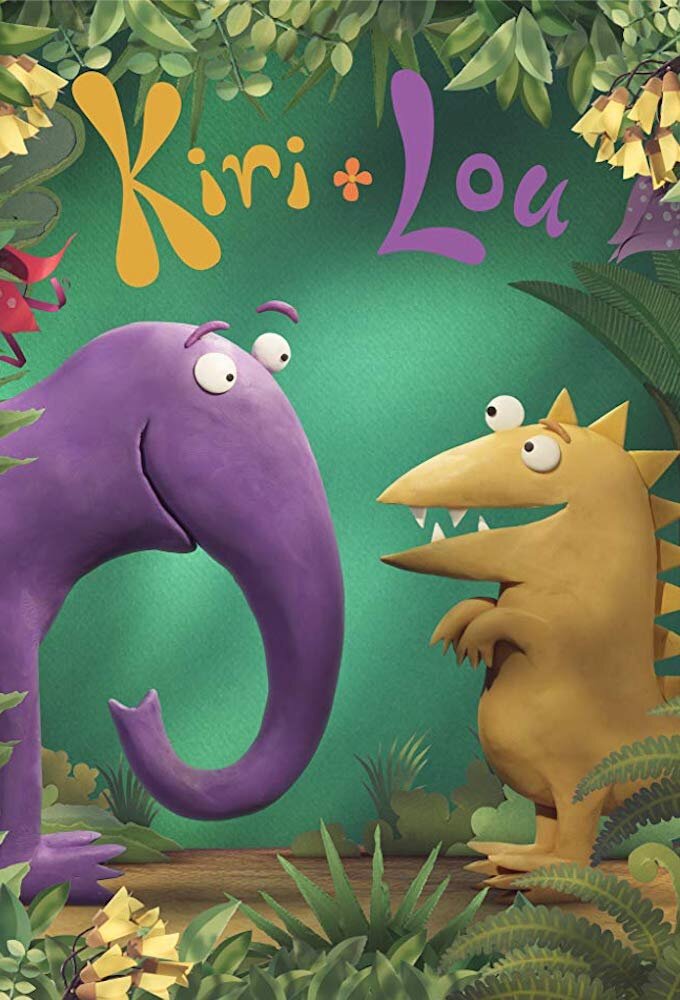
Synopsis:
In a whimsical forest made of cutout paper and clay, Kiri and Lou navigate the ups and downs of friendship and feelings. Kiri is a feisty little dinosaur with big, overpowering emotions, while Lou is a gentle and thoughtful creature who balances her energy. Together with their friends—motherly Pania, sensitive and speedy Sorry, and Dalvanius—they explore their world through laughter, adventures, and songs. Each episode invites young viewers to discover important lessons about empathy, kindness, and what it truly means to be a friend. Through their charming clay-animated escapades, Kiri and Lou help children understand and express their own emotions while celebrating the joys and challenges of growing up alongside those they care about.
Where To Watch: Kiri and Lou
Kiri and Lou Reviews From Parents
No written parent reviews yet — be the first!
Parental Feedback
Kiri and Lou offers a gentle, thoughtful pace that prioritizes emotional exploration and friendship over action-driven plots. The stop-motion animation style using clay and cutout paper creates a calm, handcrafted aesthetic that feels unhurried and soothing. Families will encounter themes centered on understanding feelings, practicing empathy, and navigating social situations with kindness, all delivered through songs and simple adventures in a forest setting.
Why Kids Should Watch Kiri and Lou
This series provides young viewers with valuable lessons about emotional intelligence and social connection.
The show directly addresses big feelings and emotional regulation through Kiri's experiences with overpowering emotions, helping children recognize and name their own feelings. Lou's gentle, thoughtful nature provides a calming counterbalance that demonstrates patience and understanding.
The emphasis on empathy, kindness, and the true meaning of friendship gives children concrete examples of how to treat others with care. Characters like Sorry, who cares about everyone, and motherly Pania model compassionate behavior in relatable situations.
The unique stop-motion animation using clay creatures and paper cutouts offers a distinctive visual experience that stands apart from typical digital animation. This handcrafted aesthetic can spark creativity and appreciation for different artistic styles.
Musical elements woven throughout the episodes make emotional lessons more memorable and engaging. The songs help reinforce key messages about feelings and friendship in ways that young children can easily recall and sing along with.
Why Kids Shouldn't Watch Kiri and Lou
Some families may find certain aspects of the series less suited to their preferences or their child's temperament.
The slow, contemplative pacing may not hold the attention of children accustomed to faster-paced programming with constant action. Young viewers who prefer high-energy content might become restless during the quieter, emotion-focused moments.
The focus on navigating complex feelings and social situations means the show regularly presents emotional challenges and interpersonal conflicts. Children who are particularly sensitive might find these scenarios uncomfortable, even though they're resolved positively.
The stop-motion clay animation style and paper forest setting create an unconventional visual world that some children may find less appealing than brightly colored CGI animation. The aesthetic choices prioritize artistry over visual stimulation, which may not resonate with all young viewers.
Verdict: Parent Approved
Kiri and Lou earns approval for its thoughtful approach to teaching emotional literacy and friendship skills through gentle storytelling and creative animation.
What Parents Should Know About Kiri and Lou
| Question | Answer |
|---|---|
| Does this TV Show model positive behavior that my child can understand and repeat? | Yes, characters consistently demonstrate empathy, kindness, caring for others, and working through feelings in age-appropriate ways that young children can understand and imitate. |
| Does this TV Show include emotional moments my child might find confusing or intense? | The series regularly explores overpowering emotions and interpersonal challenges, though these moments are presented gently and always resolved with support and understanding from friends. |
| Does this TV Show show consequences for unkind or unsafe behavior? | Yes, the show addresses behavioral issues through the lens of friendship and empathy, demonstrating how actions affect others and the importance of making amends. |
| Does this TV Show reinforce helpful social skills like sharing, apologizing, or teamwork? | Absolutely, the entire premise centers on learning about empathy, kindness, and friendship, with characters navigating social situations and supporting one another through challenges. |
| Will my child come away with any clear moral or message? | Yes, each adventure emphasizes understanding feelings, treating others with kindness, and the value of true friendship and emotional awareness. |
The Overall Sentiment From Parental Feedback
Parents generally appreciate the show's focus on emotional development and social-emotional learning, noting that it provides a calm, nurturing viewing experience for young children. Many caregivers value the emphasis on naming and processing feelings, which gives them vocabulary to discuss emotions with their children. The gentle pacing and artistic animation style receive praise from families seeking alternatives to high-energy programming. Some parents mention that the musical elements help their children remember lessons about kindness and empathy. While a few note that the slower pace doesn't work for every child, most feedback highlights the series as a thoughtful, age-appropriate choice for preschoolers learning to navigate their emotional worlds and friendships.
Kiri and Lou Official TV Show Trailer
Why Kids Love Kiri and Lou
Kiri and Lou live in a whimsical forest made of cutout paper, where clay creatures navigate their world through laughter and adventures. The bright, handcrafted setting creates a visually distinctive environment that captures young viewers' attention with its unique artistic style.
Kiri is a feisty little dinosaur with overpowering emotions, while Lou is a gentle and thoughtful creature who balances her energy. Their contrasting personalities create dynamic interactions as they explore their forest home together, joined by friends like motherly Pania, the caring and extremely fast Sorry, Dalvanius, Ngaire, and Marzipan.
The show features songs that punctuate the clay creatures' daily experiences in their paper forest. Music becomes a natural part of how Kiri, Lou, and their friends express themselves and connect with each other throughout their adventures.
The forest community works together as Kiri and Lou interact with their diverse group of creature friends. Each character brings something different to their world, from Pania's nurturing presence to Sorry's quick movements and genuine concern for everyone around them.