
Saturday Morning Minions - Ballonatics (S3E3)
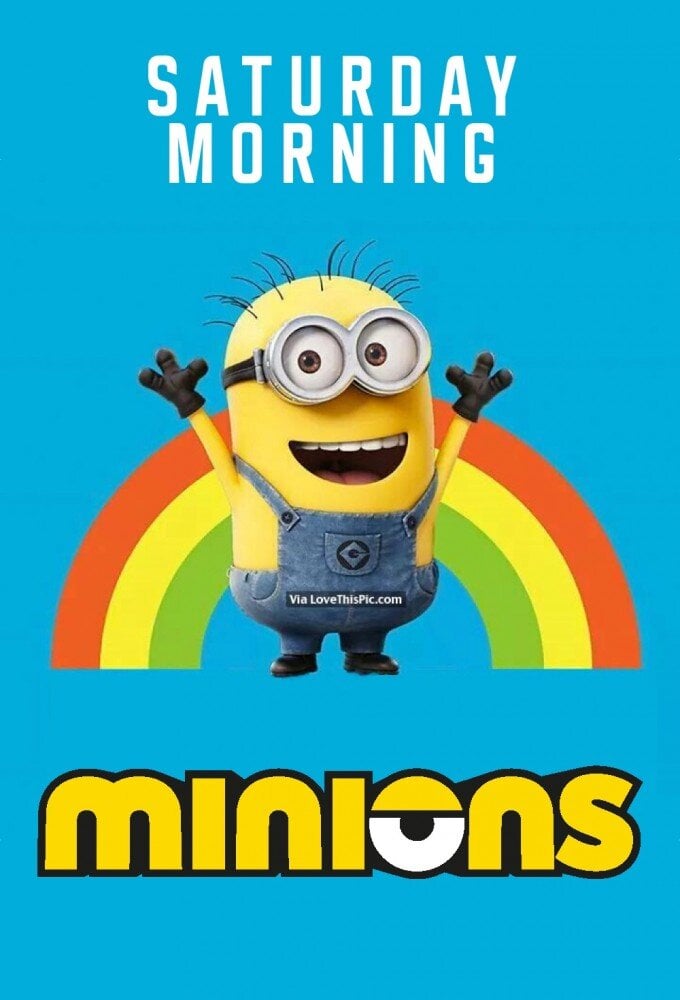
| Runtime (min) | 1 |
|---|---|
| Air Date | 2021-11-06 |
| Genres | Animation, Family |
| TV Rating | TV-Y7 |
Storyline
In this brief episode of Saturday Morning Minions, the Minions encounter balloons and the chaos that inevitably follows. True to their nature, the Minions become fascinated with the colorful floating objects, leading to a series of slapstick mishaps as they attempt to play with, capture, and control the balloons. Their lack of coordination and tendency toward mayhem transforms a simple encounter into an escalating comedy of errors.
The episode showcases the Minions' signature physical comedy and wordless communication as they bounce, float, and tumble through their balloon-fueled adventure. The short runtime keeps the energy high and the gags rapid-fire, delivering the visual humor and silly sound effects that define the Minions' appeal to young viewers.
What kids learn
Children watching this episode can observe how curiosity drives exploration, even when things don't go as planned. The Minions' enthusiastic approach to the balloons demonstrates persistence and the willingness to try new things, even if the results are messy or unexpected. Young viewers see that it's okay to experiment and that mistakes are often part of the fun.
The episode also reinforces cause-and-effect thinking through visual storytelling. When the Minions interact with the balloons in different ways, children can observe the immediate physical consequences, whether it's a balloon popping, floating away, or causing a Minion to bounce unexpectedly. This helps develop basic understanding of how actions lead to reactions.
Additionally, the wordless nature of the Minions' communication encourages children to read visual cues, body language, and facial expressions to understand what characters are thinking and feeling. This supports emotional literacy and the ability to interpret non-verbal communication in their own social interactions.
Parents' top 5 questions
| Question | Answer |
|---|---|
| Is there any dialogue or language my child might repeat? | The Minions communicate primarily through their signature gibberish language and sound effects rather than actual words. There is no intelligible dialogue or phrases that children could repeat inappropriately. The humor is entirely visual and physical, relying on slapstick comedy and exaggerated reactions rather than verbal jokes or wordplay. |
| Are there any scary moments that might frighten younger viewers? | The episode contains no frightening content. All the action revolves around silly balloon-related mishaps presented in a lighthearted, comedic manner. The Minions' reactions are exaggerated for humor rather than genuine danger. The tone remains playful throughout, with colorful visuals and bouncy energy that keeps the mood fun and safe for preschool-aged children. |
| Is the slapstick violence appropriate for my preschooler? | The physical comedy is cartoonish and consequence-free, typical of classic animated slapstick. Minions may bump into each other, bounce around, or experience minor tumbles, but these moments are clearly presented as silly rather than painful. The characters immediately recover and continue playing, reinforcing that this is fantasy humor rather than realistic conflict or injury. |
| Will this one-minute episode hold my child's attention? | The extremely short runtime is designed specifically for young attention spans. The rapid pacing, bright colors, and constant movement keep the energy high from start to finish. There's no complex plot to follow, making it easy for even very young viewers to enjoy without losing the thread. The brevity also makes it ideal for quick entertainment breaks. |
| Does this episode teach anything educational or just entertain? | While primarily designed for entertainment, the episode offers observational learning opportunities around cause and effect, as children watch what happens when the Minions interact with balloons in different ways. The visual storytelling also encourages children to interpret emotions and intentions through body language and facial expressions rather than relying on words, supporting early social-emotional development. |
Writing
Directing
| Season # | Episode # | Episode Name |
|---|---|---|
| 1 | 1 | |
| 1 | 2 | |
| 1 | 3 | |
| 1 | 4 | |
| 1 | 5 | |
| 1 | 6 | |
| 1 | 7 | |
| 1 | 8 | |
| 1 | 9 | |
| 1 | 10 |
| Season # | Episode # | Episode Name |
|---|---|---|
| 2 | 1 | |
| 2 | 2 | |
| 2 | 3 | |
| 2 | 4 | |
| 2 | 5 | |
| 2 | 6 | |
| 2 | 7 | |
| 2 | 8 | |
| 2 | 9 | |
| 2 | 10 |
| Season # | Episode # | Episode Name |
|---|---|---|
| 3 | 1 | |
| 3 | 2 | |
| 3 | 3 | |
| 3 | 4 | |
| 3 | 5 | |
| 3 | 6 | |
| 3 | 7 | |
| 3 | 8 | |
| 3 | 9 | |
| 3 | 10 |
| Season # | Episode # | Episode Name |
|---|---|---|
| 4 | 1 | |
| 4 | 2 | |
| 4 | 3 | |
| 4 | 4 | |
| 4 | 5 | |
| 4 | 6 | |
| 4 | 7 | |
| 4 | 8 | |
| 4 | 9 | |
| 4 | 10 |
This product uses the TMDB API but is not endorsed or certified by TMDB.